
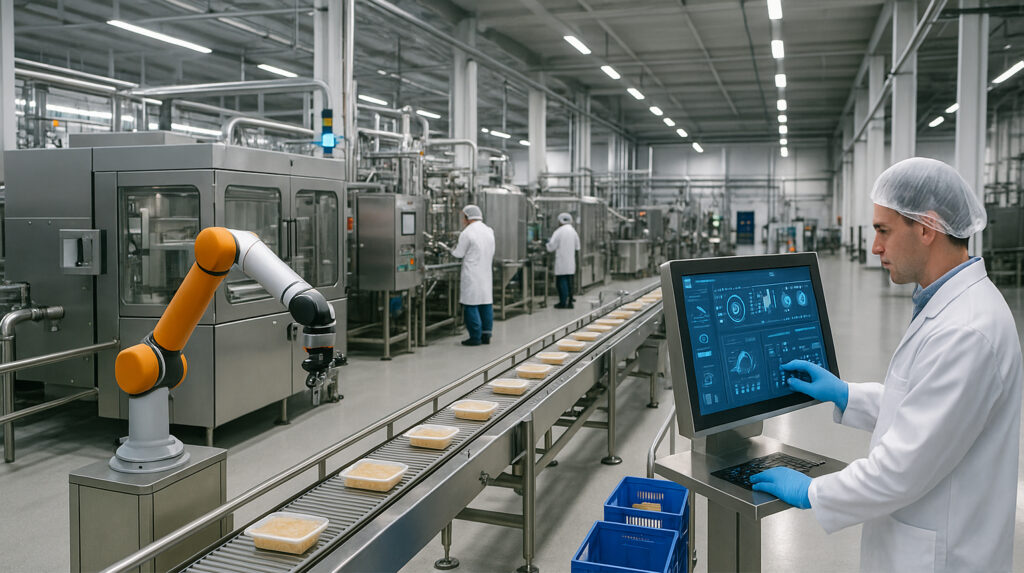
The food processing industry is undergoing rapid digital transformation, and cloud computing is at the heart of this change. As manufacturers strive for greater efficiency, traceability, and compliance, the ability to collect, store, and analyze production data has never been more critical. But with sensitive information ranging from batch records to quality control metrics, ensuring both accessibility and security is essential. This article explores how cloud computing stores food processing data and the robust measures in place to keep it secure.
Food manufacturers are increasingly adopting digital solutions to monitor equipment, improve throughput, and meet regulatory requirements. For instance, understanding ways to improve throughput with bottleneck analysis can help companies optimize their operations. Cloud-based systems provide the infrastructure to support these advanced analytics and real-time monitoring needs.
Understanding Cloud Data Storage in Food Manufacturing
Modern food processing facilities generate vast amounts of data from sensors, control systems, and quality checks. Traditionally, this information was stored on local servers or even paper records, making it difficult to access, analyze, or share. With the rise of cloud-based storage, all production data can be centralized in secure, remote servers managed by trusted providers.
Key benefits of using cloud platforms for food data include:
- Scalability: Easily expand storage as data volumes grow, without investing in new hardware.
- Accessibility: Authorized users can access data from any location, supporting remote audits and multi-site operations.
- Disaster Recovery: Cloud providers offer built-in redundancy and backup, reducing the risk of data loss from onsite incidents.
For example, when implementing condition monitoring for food equipment, cloud storage enables continuous data collection and long-term trend analysis, which are essential for predictive maintenance and regulatory compliance.
How Cloud Computing Stores Food Processing Data Securely
Security is a top concern for any organization handling sensitive production information. How cloud computing stores food processing data securely involves several layers of protection, both physical and digital.

Data encryption is fundamental. Information is encrypted both in transit (as it moves from facility to cloud) and at rest (while stored on servers). Only users with the correct credentials and permissions can access or modify the data. Multi-factor authentication and role-based access controls further reduce the risk of unauthorized entry.
Cloud providers also maintain strict physical security at their data centers, including surveillance, access controls, and environmental protections. These measures are often more robust than what individual food manufacturers could implement on-premises.
Compliance and Regulatory Considerations
Food processors must comply with industry regulations such as FDA 21 CFR Part 11, HACCP, and GFSI standards. Cloud platforms help meet these requirements by providing:
- Automated audit trails for every data access or change
- Secure, tamper-evident storage of records
- Easy retrieval of historical data for inspections or recalls
By leveraging cloud solutions, companies can demonstrate compliance more efficiently and respond quickly to regulatory inquiries.
Applications of Cloud Data in Food Processing
The ability to store and analyze production data in the cloud unlocks a range of practical applications for food manufacturers:
- Quality Control: Real-time monitoring of temperature, humidity, and other critical parameters ensures product safety and consistency.
- Predictive Maintenance: Analyzing equipment data helps identify potential failures before they cause downtime. For more on this, see how predictive maintenance is transforming the food industry.
- Traceability: Cloud-based records make it easier to track ingredients and finished products throughout the supply chain.
- Process Optimization: Data-driven insights support continuous improvement and cost reduction initiatives.

Technologies such as how to use thermal imaging for food inspection and advanced sensor networks are generating more data than ever. Cloud computing provides the infrastructure to manage and leverage this information effectively.
Best Practices for Leveraging Cloud Storage in Food Production
To maximize the benefits of cloud-based data management, food processors should follow these best practices:
- Choose a reputable provider: Select a cloud vendor with proven experience in the food industry and strong security credentials.
- Define clear access policies: Limit data access to authorized personnel and regularly review permissions.
- Integrate with existing systems: Ensure seamless data flow between plant floor equipment, ERP systems, and the cloud platform.
- Train staff: Educate employees on data security protocols and the importance of compliance.
- Monitor and audit: Use built-in tools to track data usage and detect unusual activity.
Implementing these steps helps protect sensitive information and supports a culture of continuous improvement.
Challenges and Considerations for Cloud Adoption
While the advantages are clear, transitioning to cloud storage in food processing comes with some challenges:
- Data migration: Moving legacy records to the cloud can be complex and time-consuming.
- Connectivity: Reliable internet access is essential for real-time data synchronization.
- Vendor lock-in: It’s important to choose solutions that allow data portability if you switch providers in the future.
- Cost management: While cloud storage is scalable, costs can rise quickly if not monitored.
Addressing these concerns early in the planning process ensures a smoother transition and long-term success.
Frequently Asked Questions
What types of food processing data are typically stored in the cloud?
Common data types include production batch records, sensor readings (temperature, humidity, pressure), maintenance logs, quality control results, and traceability information. Storing this data in the cloud enables centralized access and advanced analytics.
How does cloud computing keep food manufacturing data secure?
Security is achieved through multiple layers: data encryption in transit and at rest, strict access controls, multi-factor authentication, and regular security audits. Leading cloud providers also maintain robust physical security at their data centers.
Can cloud-based data storage help with regulatory compliance?
Yes, cloud platforms simplify compliance by providing automated audit trails, secure recordkeeping, and easy data retrieval for inspections. This helps food processors meet standards such as FDA 21 CFR Part 11 and GFSI requirements.
Conclusion
Cloud computing is transforming how food manufacturers manage and protect their production data. By centralizing information, enhancing security, and enabling advanced analytics, cloud platforms support safer, more efficient, and more compliant operations. As the industry continues to evolve, embracing cloud-based solutions will be key to maintaining a competitive edge and meeting the demands of modern food safety standards.