
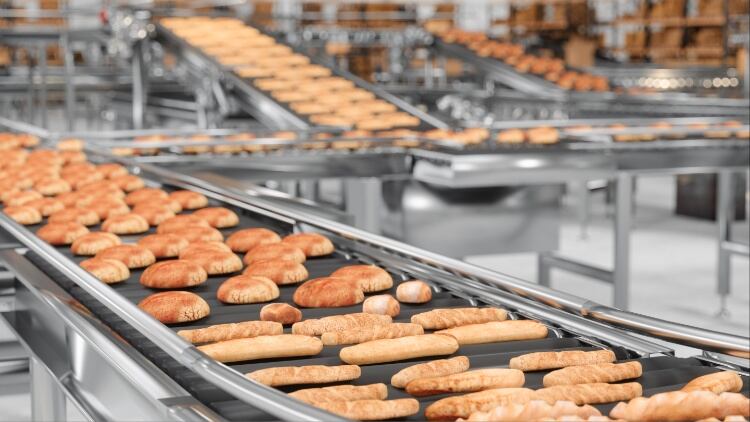
Food manufacturing is undergoing a significant transformation as digital technologies reshape how facilities operate, maintain quality, and ensure safety. Among the most impactful advancements is remote monitoring, which enables real-time oversight of critical processes, equipment, and environmental conditions from virtually anywhere. This guide to remote monitoring for food production explores the essential concepts, technologies, and practical steps for implementing these systems in modern food plants.
Whether you are responsible for plant operations, quality assurance, or maintenance, understanding how remote monitoring works—and how to leverage its benefits—can help your facility stay competitive, compliant, and efficient. For those interested in optimizing specific production lines, resources like how to improve uptime on high-speed canning lines offer targeted strategies that complement the broader principles discussed here.
Understanding Remote Monitoring in Food Manufacturing
Remote monitoring refers to the use of digital sensors, connectivity solutions, and software platforms to observe, record, and analyze production parameters without the need for constant on-site supervision. In food production, this can include tracking:
- Temperature and humidity in storage and processing areas
- Equipment performance and predictive maintenance indicators
- Production line speed, downtime, and throughput
- Quality metrics such as pH, moisture, or contamination risks
- Compliance data for regulatory requirements
By integrating these data streams, facilities can make informed decisions, reduce manual checks, and respond quickly to emerging issues.
Key Technologies Powering Remote Oversight
The backbone of effective remote monitoring consists of several interconnected technologies. Here are the most important components:
- IoT Sensors: Devices that capture real-time data on environmental and operational variables.
- Wireless Networks: Connectivity solutions such as Wi-Fi, cellular, and role of lora wan sensors in large food facilities for transmitting data securely and reliably.
- Cloud Platforms: Centralized systems for aggregating, storing, and analyzing data from multiple sources.
- Dashboards and Alerts: User interfaces that visualize trends and send notifications when parameters deviate from set thresholds.
Benefits of Implementing a Remote Monitoring Solution
Adopting remote oversight in food manufacturing delivers a range of tangible advantages:
- Enhanced Food Safety: Continuous tracking of critical control points helps prevent spoilage, contamination, and non-compliance.
- Reduced Downtime: Early detection of equipment issues supports predictive maintenance, minimizing unplanned outages and production losses.
- Operational Efficiency: Automated data collection and analysis free up staff for higher-value tasks and streamline reporting processes.
- Regulatory Compliance: Digital records simplify audits and help demonstrate adherence to food safety standards.
- Cost Savings: Optimized energy use, reduced waste, and lower maintenance costs contribute to improved profitability.
Facilities that embrace these systems often see rapid ROI, especially when paired with targeted process improvements such as ways to optimize pasteurization using predictive logic.
Core Components of a Remote Monitoring System
A robust remote monitoring setup for food production typically includes:
- Sensors and Data Loggers: Placed at key points in the process to capture accurate, real-time information.
- Gateways and Network Infrastructure: Devices that collect sensor data and transmit it to the cloud or on-premise servers.
- Software Platform: A centralized dashboard for visualization, analysis, and alert management.
- Integration Tools: APIs or middleware that connect the monitoring system with existing ERP, MES, or quality management platforms.
Choosing the right mix of hardware and software depends on your facility’s size, complexity, and regulatory environment.

How to Deploy Remote Monitoring in Food Facilities
Rolling out a remote monitoring solution involves several key steps:
- Assess Your Needs: Identify critical control points, compliance requirements, and operational pain points.
- Select Technologies: Choose sensors, connectivity, and platforms that fit your use case and budget.
- Plan Integration: Ensure compatibility with existing systems and processes. Consider how data will flow between platforms.
- Install and Configure: Deploy sensors and gateways, set up dashboards, and define alert thresholds.
- Train Staff: Educate operators and managers on using the system and responding to alerts.
- Monitor and Optimize: Use collected data to refine processes, improve maintenance, and drive continuous improvement.
For detailed guidance on integrating sensor data into daily operations, see how to interpret data from meat slicer sensors.
Challenges and Considerations for Remote Oversight
While the advantages are clear, implementing remote monitoring in food production comes with its own set of challenges:
- Data Security: Protecting sensitive production and compliance data from cyber threats is essential.
- System Reliability: Ensuring continuous connectivity and sensor uptime is critical for uninterrupted monitoring.
- Change Management: Staff may need support to adapt to new workflows and digital tools.
- Scalability: Solutions should be flexible enough to grow with your facility and changing regulations.
Partnering with experienced technology providers and following industry best practices can help overcome these hurdles. For example, predictive maintenance solutions for food and beverage production illustrate how leading manufacturers address these challenges at scale.
Integrating Remote Monitoring with Asset Management
Remote monitoring is most effective when combined with comprehensive asset management strategies. By linking sensor data with maintenance schedules and lifecycle analytics, facilities can:
- Predict equipment failures before they occur
- Optimize spare parts inventory and reduce emergency repairs
- Extend the lifespan of critical assets
For a deeper dive into asset lifecycle strategies, explore how to manage asset lifecycle in food plants.
Future Trends in Digital Food Manufacturing
The evolution of remote monitoring is closely tied to broader trends in digital transformation. Key developments to watch include:
- Artificial Intelligence: Advanced analytics and machine learning are enabling predictive insights and automated decision-making.
- Edge Computing: Processing data closer to the source reduces latency and enhances real-time responsiveness.
- Greater Interoperability: Open standards and APIs are making it easier to integrate disparate systems across the plant floor.
- Sustainability Monitoring: New tools are emerging to track energy use, water consumption, and waste in real time.
As these technologies mature, food manufacturers will gain even more powerful tools to ensure safety, efficiency, and compliance.
FAQ
What are the most important parameters to monitor remotely in food production?
Key parameters include temperature, humidity, equipment status, production throughput, and quality metrics such as pH or microbial counts. Monitoring these helps ensure food safety, regulatory compliance, and operational efficiency.
How does remote monitoring improve food safety and compliance?
Continuous data collection and real-time alerts enable rapid response to deviations, reducing the risk of spoilage or contamination. Digital records also simplify audits and demonstrate compliance with food safety standards.
What should I consider when choosing a remote monitoring solution?
Evaluate sensor accuracy, system scalability, integration capabilities, data security features, and vendor support. It’s also important to ensure compatibility with your existing infrastructure and regulatory requirements.