
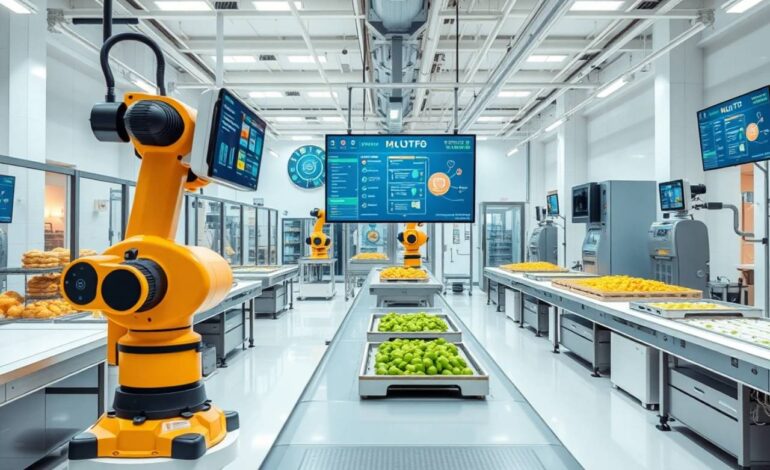
Maintaining consistent quality in large-scale food production is a persistent challenge for manufacturers. Variability in food batches can lead to inconsistent taste, texture, appearance, and even food safety concerns. For businesses, this can result in increased waste, higher costs, and reduced consumer trust. Implementing effective strategies for reducing variability in food batches is essential for ensuring product uniformity and meeting regulatory standards.
This article explores proven methods and technologies that help minimize fluctuations in large-scale food processing. From ingredient control to advanced analytics, each approach plays a crucial role in delivering reliable, high-quality products. For those interested in how predictive technologies can further support food processing, the benefits of predictive analytics for aquaculture processing offer valuable insights into modern quality control.
Understanding Sources of Batch Variability
Before implementing any control measures, it’s important to identify where inconsistencies originate. Variability in food batches can arise from several factors:
- Ingredient inconsistencies: Fluctuations in raw material quality, moisture content, or supplier differences.
- Process deviations: Variations in mixing, heating, cooling, or timing during production.
- Equipment performance: Wear, calibration drift, or maintenance issues affecting machinery output.
- Environmental factors: Changes in humidity, temperature, or air quality within the production facility.
- Human error: Mistakes in measurement, handling, or documentation.
Recognizing these sources is the first step toward implementing targeted strategies for reducing variability in food batches.
Ingredient Control and Standardization
Consistent input leads to consistent output. Standardizing ingredients is one of the most effective ways to minimize batch-to-batch variation.
- Supplier management: Work closely with suppliers to ensure raw materials meet defined specifications. Regular audits and quality checks help maintain standards.
- Ingredient testing: Use analytical tools to measure moisture, fat, protein, or other key properties before ingredients enter production.
- Pre-processing calibration: Adjust ingredient quantities based on real-time measurements. For example, if flour moisture is higher than usual, reduce water in the recipe accordingly.
Advanced technologies such as benefits of spectral imaging for food analysis can provide rapid, non-destructive assessment of ingredient quality, further supporting standardization efforts.
Process Control and Automation
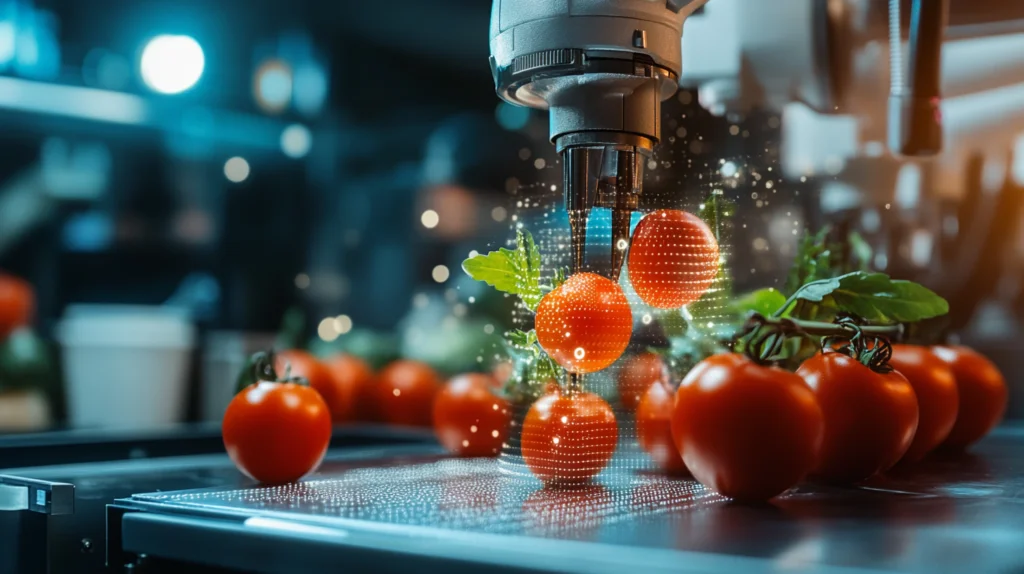
Automating production processes helps reduce human error and ensures that each batch is processed under the same conditions. Key process control strategies include:
- Automated dosing and mixing: Use precise, computer-controlled systems to measure and combine ingredients.
- Real-time monitoring: Install sensors to track temperature, pressure, humidity, and other critical parameters throughout production.
- Feedback loops: Implement systems that automatically adjust process variables in response to sensor data, maintaining optimal conditions.
For example, monitoring humidity in proofing rooms is vital for consistent bread quality. Learn more about how to track humidity in bread proofing rooms to support process stability.
Reducing Equipment-Induced Variability
Equipment wear, misalignment, or calibration drift can introduce significant inconsistencies. To minimize these risks:
- Regular maintenance: Establish preventive maintenance schedules to keep machines in optimal condition.
- Calibration protocols: Frequently calibrate scales, sensors, and dosing equipment to ensure accuracy.
- Predictive maintenance: Use data analytics and machine logs to anticipate failures before they impact production. For a deeper dive, see how to use machine logs for predictive insights.
Adopting predictive maintenance in the food industry can further reduce downtime and variability, supporting more reliable batch outcomes.

Environmental Monitoring and Control
Environmental factors such as temperature and humidity can have a significant impact on food batch consistency, especially in processes like fermentation, proofing, or drying. Effective strategies include:
- Facility zoning: Separate production areas based on environmental requirements to minimize cross-contamination and maintain optimal conditions.
- Automated climate control: Use HVAC systems and dehumidifiers to regulate temperature and humidity, monitored by networked sensors.
- Continuous data logging: Track environmental conditions in real time and review historical data to identify trends or deviations.
Environmental monitoring not only supports consistency but also helps meet food safety regulations and reduce spoilage.
Leveraging Data Analytics for Consistency
Modern food manufacturers increasingly rely on data-driven approaches to minimize batch variability. Key methods include:
- Statistical process control (SPC): Use control charts and process capability analysis to detect and correct deviations early.
- Predictive analytics: Analyze historical production data to forecast potential issues and optimize process parameters.
- Root cause analysis: When variability occurs, use data to identify underlying causes and implement corrective actions.
For instance, predictive analytics can help anticipate filter saturation in juice processing lines, as discussed in how to predict filter saturation in juice processing.
Staff Training and Standard Operating Procedures
Even with advanced automation, human involvement remains crucial. Well-trained staff and clear procedures help reduce errors and maintain consistency:
- Comprehensive training: Ensure all operators understand process requirements, equipment operation, and quality standards.
- Standard operating procedures (SOPs): Document every step of the production process and update regularly to reflect best practices.
- Continuous improvement: Encourage feedback from staff and use it to refine processes and training programs.
A culture of quality and accountability is essential for sustaining improvements in batch consistency.
Quality Assurance and Continuous Improvement
Ongoing quality assurance is vital for detecting and addressing variability before products reach consumers. Effective QA strategies include:
- In-process testing: Conduct checks at critical control points rather than waiting for final product testing.
- Batch records: Maintain detailed documentation for traceability and trend analysis.
- Feedback loops: Use customer feedback and complaint data to identify areas for improvement.
Continuous improvement frameworks such as Six Sigma or Lean Manufacturing can provide structured approaches to reducing process variation over time.
FAQ: Reducing Variability in Food Production
What are the most common causes of variability in large food batches?
The most frequent causes include inconsistent ingredient quality, process deviations, equipment issues, environmental fluctuations, and human error. Addressing each source with targeted controls is key to maintaining batch uniformity.
How can automation help minimize batch-to-batch differences?
Automation reduces human error by standardizing ingredient dosing, mixing, and process parameters. Automated systems also enable real-time monitoring and adjustments, which help maintain consistent production conditions.
Why is environmental monitoring important in food manufacturing?
Environmental factors like temperature and humidity can significantly impact product quality, especially in processes such as fermentation or drying. Monitoring and controlling these variables ensures that each batch is produced under optimal conditions, reducing variability and improving safety.
By implementing a combination of ingredient standardization, process control, equipment maintenance, environmental monitoring, data analytics, and staff training, food manufacturers can significantly reduce variability in large-scale production. These strategies not only improve product quality and consistency but also enhance operational efficiency and customer satisfaction.