
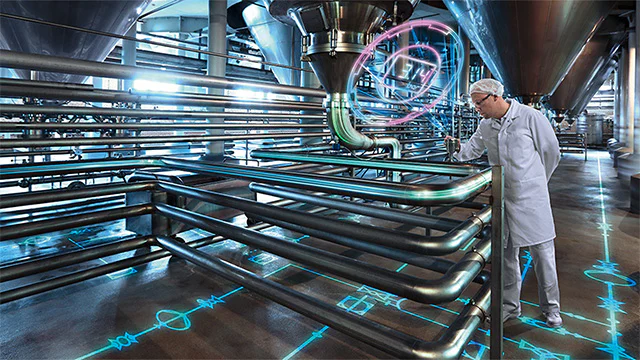
The fats and oils industry faces constant pressure to improve efficiency, ensure product quality, and manage costs. As global demand rises and regulations tighten, processors are turning to advanced technologies to stay competitive. One of the most transformative tools available today is predictive analytics. By leveraging data-driven insights, companies can anticipate problems, optimize operations, and make smarter decisions throughout the production cycle.
In this article, we’ll explore the main advantages of predictive analytics in fats and oils manufacturing, from reducing downtime to enhancing sustainability. We’ll also highlight practical examples and link to related resources, such as strategies for how to identify energy leaks in thermal processing, to help you build a more resilient and efficient processing environment.
How Predictive Analytics Transforms Fats and Oils Manufacturing
Predictive analytics involves using historical and real-time data to forecast future outcomes. In fats and oils processing, this means analyzing variables such as temperature, pressure, moisture, and equipment performance to predict issues before they occur. By implementing these solutions, producers can move from reactive to proactive management, minimizing disruptions and maximizing output.
Some of the key areas where predictive analytics delivers value include:
- Reducing unplanned downtime by anticipating equipment failures
- Optimizing process parameters for higher yield and consistent quality
- Improving energy efficiency and resource utilization
- Enhancing traceability and compliance with food safety standards
- Supporting sustainability goals by minimizing waste and emissions
Reducing Downtime and Maintenance Costs
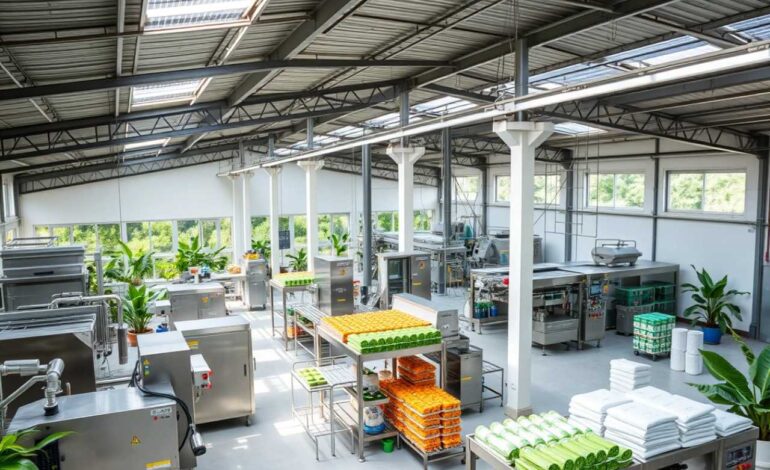
Unexpected equipment breakdowns can halt production, leading to costly delays and product losses. By applying predictive analytics in fats and oils processing, manufacturers can monitor machinery health and receive early warnings about potential failures. This enables maintenance teams to intervene before a minor issue becomes a major outage.
For example, vibration sensors and temperature monitors on pumps, centrifuges, and heat exchangers feed data into predictive models. These models identify patterns that signal wear or impending faults. As a result, companies can schedule maintenance during planned downtime, reduce emergency repairs, and extend the lifespan of critical assets.
For more insights into predictive maintenance in the food sector, see this detailed overview of AI-powered predictive maintenance in food processing.
Optimizing Process Parameters for Quality and Yield
Achieving consistent product quality in fats and oils processing depends on precise control of variables such as temperature, agitation speed, and moisture content. Predictive analytics helps operators fine-tune these parameters in real time, using data from sensors and historical production records.
By continuously analyzing process data, predictive models can recommend adjustments to prevent deviations that might affect product color, flavor, or stability. This not only ensures compliance with customer specifications but also maximizes yield by minimizing rework and off-spec batches.
Integrating predictive analytics with other advanced technologies, such as smart valves in predictive liquid processing, further enhances process control and responsiveness.
Improving Energy Efficiency and Resource Utilization
Energy costs are a significant concern in fats and oils manufacturing, where heating, cooling, and mechanical processing are energy-intensive. Predictive analytics can identify patterns of energy consumption, detect inefficiencies, and suggest corrective actions.
For instance, by analyzing historical and real-time data from thermal processing equipment, predictive models can pinpoint when energy is being wasted—such as during extended warm-up times or suboptimal heat exchanger performance. This enables operators to adjust settings, schedule equipment use more efficiently, and implement targeted upgrades.
If you’re interested in learning more about energy optimization, check out our resource on how to identify energy leaks in thermal processing.
Enhancing Traceability and Food Safety Compliance
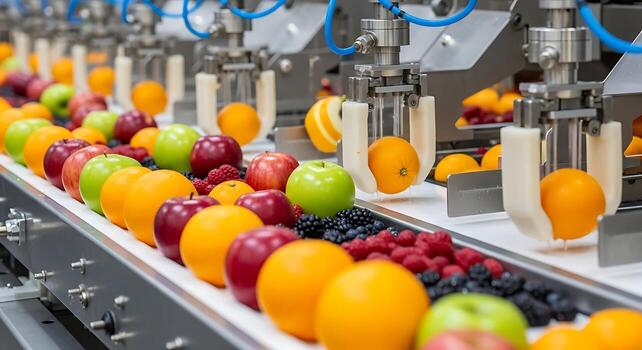
Food safety regulations require fats and oils processors to maintain detailed records of production conditions and ingredient sources. Predictive analytics supports traceability by automatically collecting and analyzing data from every stage of the process.
This data-driven approach makes it easier to demonstrate compliance during audits and quickly trace the source of any quality or safety issues. In addition, predictive models can flag anomalies that might indicate contamination risks or process deviations, allowing for rapid corrective action.
Supporting Sustainability and Waste Reduction
Sustainability is becoming a top priority for food manufacturers. Predictive analytics helps companies minimize waste, reduce energy and water usage, and lower their environmental footprint.
By forecasting demand, optimizing raw material usage, and identifying process inefficiencies, predictive tools enable more sustainable operations. This not only benefits the environment but also improves profitability by reducing costs associated with waste disposal and resource consumption.
Integrating Predictive Analytics with Other Smart Technologies
The full potential of predictive analytics is realized when it is integrated with other digital solutions. For example, combining predictive models with laser sensors for product thickness control or advanced automation systems can further enhance process visibility and responsiveness.
Additionally, predictive analytics can work alongside advanced modeling approaches, such as predictive modeling for fermentation processes, to optimize complex multi-stage production lines.
Challenges and Considerations for Implementation
While the advantages of predictive analytics are clear, successful implementation requires careful planning. Key considerations include:
- Ensuring high-quality, reliable data from sensors and control systems
- Investing in staff training and change management
- Integrating predictive tools with existing IT and automation infrastructure
- Establishing clear goals and metrics for measuring success
Working with experienced technology partners and starting with pilot projects can help organizations build confidence and demonstrate value before scaling up.
FAQ
What types of data are most important for predictive analytics in fats and oils processing?
Key data sources include equipment sensor readings (temperature, pressure, vibration), production batch records, quality control results, and energy usage logs. The more comprehensive and accurate the data, the more effective predictive models will be.
Can predictive analytics help with regulatory compliance?
Yes, predictive analytics supports compliance by automating data collection, improving traceability, and providing early warnings of potential process deviations. This makes it easier to meet food safety and quality standards.
How quickly can companies see a return on investment from predictive analytics?
The timeline varies depending on the scale of implementation and existing infrastructure. Many companies report noticeable improvements in efficiency, reduced downtime, and cost savings within the first year of deploying predictive analytics solutions.
Conclusion
Adopting predictive analytics in fats and oils processing offers significant benefits, from minimizing downtime and optimizing quality to supporting sustainability and compliance. By leveraging data-driven insights and integrating them with other smart technologies, manufacturers can build more agile, efficient, and resilient operations. As the industry continues to evolve, those who embrace predictive tools will be better positioned to meet future challenges and opportunities.