
Maintaining gluten-free production purity is a critical challenge for food manufacturers. Even trace amounts of gluten can trigger severe reactions in sensitive individuals, making cross-contamination prevention a top priority. As consumer demand for gluten-free products rises and regulations tighten, food producers are turning to advanced predictive tools for gluten-free production purity to safeguard their processes and reputations.
These solutions leverage data analytics, automation, and real-time monitoring to anticipate risks before they become costly problems. By integrating predictive technologies, companies can move beyond reactive quality checks and establish proactive controls that ensure every batch meets the highest standards. For those interested in optimizing other aspects of food processing, exploring ways to reduce water consumption in food washing can further enhance operational efficiency and sustainability.
Understanding the Risks of Gluten Contamination
Gluten contamination can occur at any stage of the food production process, from raw ingredient sourcing to packaging. Shared equipment, airborne particles, and human error are all potential sources of accidental gluten introduction. For manufacturers, even the smallest oversight can result in product recalls, regulatory penalties, and loss of consumer trust.
Traditional quality assurance methods—such as batch testing and manual inspections—are often too slow or limited to catch every instance of contamination. This is where predictive tools come into play, offering a more comprehensive and forward-looking approach to risk management.

How Predictive Analytics Supports Gluten-Free Assurance
Predictive analytics involves using historical and real-time data to forecast potential issues before they arise. In the context of gluten-free production, this means identifying patterns or conditions that could lead to contamination and taking corrective action in advance.
- Sensor data monitoring: Sensors placed on production lines can track temperature, humidity, and other environmental factors that influence gluten residue persistence.
- Ingredient traceability: Digital systems log every ingredient’s source and movement, flagging any potential cross-contact events.
- Process modeling: Advanced software models simulate production scenarios, highlighting steps where contamination is most likely to occur.
By analyzing these data streams, predictive systems can alert operators to deviations or anomalies, allowing for immediate intervention. This proactive stance reduces the risk of contaminated batches reaching consumers.
Key Technologies in Predictive Gluten-Free Production
Several technologies are driving the adoption of predictive tools for gluten-free production purity across the industry:
- Machine learning algorithms: These systems learn from past incidents and continuously refine their predictions, improving accuracy over time.
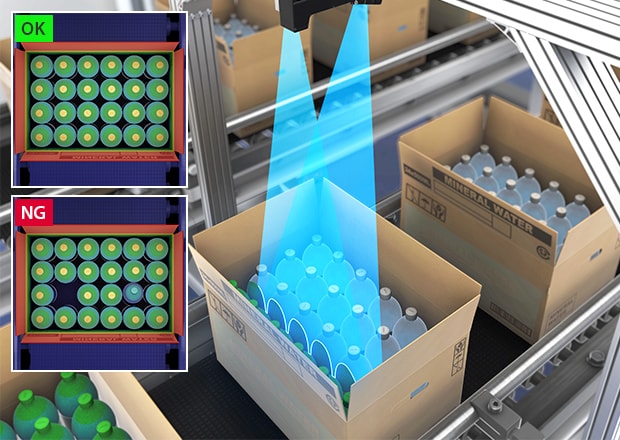
- Computer vision: Cameras equipped with AI can visually inspect products and surfaces for gluten-containing particles that may be missed by the human eye.
- Automated cleaning verification: Sensors and imaging tools confirm that equipment has been thoroughly cleaned between runs, reducing the risk of cross-contamination.
- Cloud-based dashboards: Centralized platforms aggregate data from multiple sources, providing quality managers with real-time oversight and actionable insights.
Integrating Predictive Tools Into Existing Workflows
Adopting predictive solutions does not require a complete overhaul of current production lines. Many tools are designed to integrate with existing equipment and software. For example, sensors can be retrofitted onto conveyors or mixers, while analytics platforms can pull data from legacy systems.
The key is to create a seamless flow of information from the shop floor to decision-makers. This enables rapid response to any warning signs, minimizing downtime and product loss. Training staff to interpret predictive alerts and act accordingly is also essential for maximizing the benefits of these technologies.
Benefits of Proactive Gluten-Free Quality Control
Implementing predictive tools in gluten-free production environments offers several tangible advantages:
- Reduced recalls: Early detection of contamination risks helps prevent unsafe products from reaching the market.
- Regulatory compliance: Automated documentation and traceability simplify audits and demonstrate due diligence to authorities.
- Cost savings: Proactive maintenance and quality checks minimize waste and lower the costs associated with batch failures.
- Enhanced brand reputation: Consistently delivering safe, gluten-free products builds consumer trust and loyalty.
For those interested in predictive maintenance strategies for other critical equipment, reviewing approaches like predictive maintenance for centrifuge systems can provide further insights into minimizing downtime and ensuring operational reliability.
Real-World Applications and Industry Examples
Food manufacturers worldwide are already seeing the impact of predictive technologies. For instance, some facilities use AI-powered cameras to inspect surfaces after cleaning, ensuring no gluten residue remains. Others rely on cloud-based analytics to monitor ingredient sourcing and flag any suppliers with a history of cross-contact incidents.
According to industry leaders in predictive maintenance, integrating these solutions leads to fewer unplanned stoppages and higher product consistency. The result is a safer, more efficient gluten-free production environment.
Challenges and Considerations When Implementing Predictive Solutions
While the benefits are clear, there are challenges to consider:
- Data quality: Predictive systems are only as good as the data they receive. Ensuring accurate and consistent data collection is essential.
- Change management: Staff may need training to adapt to new workflows and technologies.
- Cost of implementation: Initial investment in sensors, software, and integration can be significant, but the long-term savings often outweigh upfront costs.
- Continuous improvement: Predictive models require regular updates and validation to remain effective as production processes evolve.
Manufacturers should start with a clear assessment of their current processes, identify the most critical control points, and select predictive tools that address their unique risks and goals.
Future Trends in Predictive Gluten-Free Manufacturing
The future of gluten-free production will be shaped by even more advanced predictive capabilities. Developments in artificial intelligence, IoT connectivity, and real-time analytics promise to make contamination prevention faster and more precise. As these technologies become more accessible, even small and mid-sized producers will be able to leverage predictive tools to maintain the highest standards of purity.
Additionally, integration with other digital solutions—such as ingredient flow monitoring and automated weight checking—will create a holistic quality control ecosystem. For example, learning about the benefits of automated weight checking systems can help manufacturers further enhance their process reliability and compliance.
FAQ: Predictive Tools and Gluten-Free Production
What are the most effective predictive technologies for gluten-free production?
The most effective approaches combine machine learning, sensor networks, and computer vision to monitor production environments and flag potential contamination risks before they impact product quality.
How do predictive tools help with regulatory compliance?
Predictive systems automate data collection and traceability, making it easier to demonstrate compliance during audits and respond quickly to any issues identified by regulators.
Can predictive solutions be used in small-scale gluten-free facilities?
Yes, many predictive tools are scalable and can be tailored to fit the needs and budgets of smaller producers. Cloud-based platforms and modular sensor systems are particularly accessible for facilities with limited resources.
Conclusion
Adopting predictive tools for gluten-free production purity is a strategic investment in food safety, efficiency, and brand reputation. By leveraging data-driven insights and automation, manufacturers can proactively manage contamination risks and deliver consistently safe products to the growing gluten-free market. As technology continues to advance, predictive solutions will become an indispensable part of every food producer’s quality assurance toolkit.