
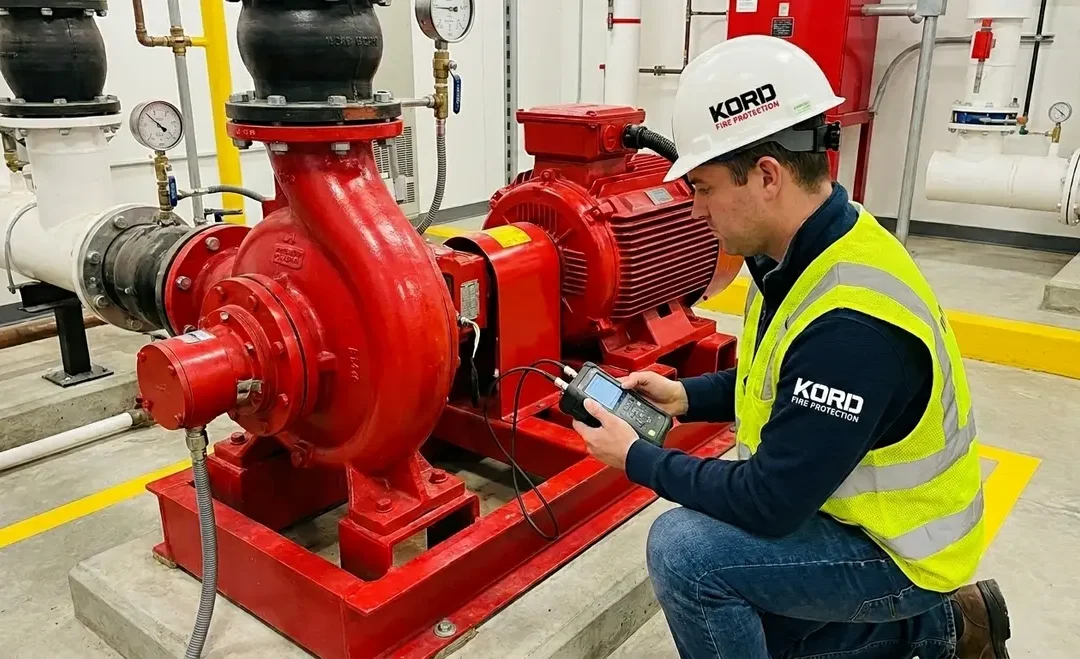
Understanding machine vibration data interpretation is essential for maintenance engineers, reliability professionals, and plant operators who want to keep equipment running smoothly and prevent costly breakdowns. Interpreting vibration signals accurately allows teams to diagnose faults early, optimize maintenance schedules, and extend the lifespan of critical assets. This guide provides a practical overview of how to approach vibration data in the field, covering key concepts, common patterns, and actionable steps for effective analysis.
For those in industries like food processing, integrating predictive maintenance with vibration analysis can also support broader operational goals. For example, learning about ways to reduce downtime in candy manufacturing can complement your vibration monitoring strategy by minimizing unexpected stoppages and improving overall efficiency.
Why Analyzing Vibration Signals Matters
Every rotating machine generates vibrations as a natural part of its operation. However, changes in vibration patterns often signal developing faults such as imbalance, misalignment, bearing wear, or looseness. By regularly monitoring and interpreting vibration data, maintenance teams can:
- Detect early signs of mechanical issues before they escalate into failures
- Reduce unplanned downtime and maintenance costs
- Improve equipment reliability and safety
- Optimize spare parts usage and maintenance intervals
Effective machine vibration data interpretation bridges the gap between raw sensor readings and actionable insights. It transforms complex signals into clear guidance for maintenance action.
Key Concepts in Vibration Analysis
Before diving into field techniques, it’s important to understand the main terms and measurements used in vibration analysis:
- Amplitude: The strength or magnitude of vibration, usually measured in millimeters per second (mm/s) or inches per second (in/s).
- Frequency: The rate at which vibration cycles occur, measured in Hertz (Hz).
- Time Waveform: A plot of vibration amplitude over time, useful for identifying transient events.
- Spectrum (FFT): A frequency-domain representation showing how vibration energy is distributed across different frequencies.
- Phase: The relationship between vibration signals at different points, helping to pinpoint the source of a problem.
Understanding these basics is the foundation for accurate diagnosis and troubleshooting.

Common Fault Patterns in Vibration Data
Interpreting vibration signals involves recognizing characteristic patterns that correspond to specific machine faults. Here are some of the most frequent issues and their typical signatures:
| Fault Type | Vibration Pattern | Frequency Range |
|---|---|---|
| Imbalance | High amplitude at running speed (1x RPM) | Low frequency |
| Misalignment | Elevated vibration at 1x and 2x RPM, possible axial movement | Low to mid frequency |
| Bearing Defects | High-frequency spikes, harmonics, random noise | High frequency |
| Looseness | Broadband vibration, harmonics, impacts | Wide frequency range |
| Gear Faults | Sidebands around gear mesh frequency, irregular peaks | Mid to high frequency |
Recognizing these patterns allows technicians to quickly narrow down the root cause and plan corrective actions.
Step-by-Step Approach to Field Data Interpretation
When analyzing vibration data in the field, a systematic approach ensures reliable results:
- Collect Baseline Data: Start by recording vibration levels on healthy machines to establish normal operating signatures.
- Set Alarm Thresholds: Use baseline data and industry standards (such as ISO 10816) to define acceptable vibration limits.
- Monitor Regularly: Schedule routine measurements at critical points (bearings, housings, shafts) to track changes over time.
- Analyze Trends: Look for gradual increases in amplitude, new frequency components, or sudden spikes that indicate emerging faults.
- Compare with Known Patterns: Match observed signatures to common fault types using the table above and reference materials.
- Investigate and Confirm: If a problem is suspected, use additional diagnostic tools (such as temperature or ultrasound) to confirm the diagnosis before taking action.
Field interpretation is both an art and a science. Combining technical knowledge with experience leads to faster, more accurate troubleshooting.
Best Practices for Reliable Vibration Analysis
To get the most value from vibration monitoring, consider these practical tips:
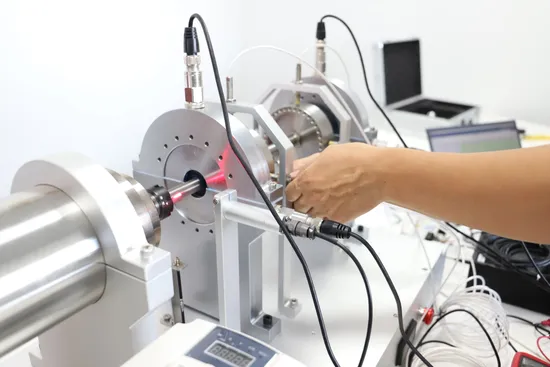
- Use the Right Sensors: Accelerometers are standard for most vibration measurements, but select the type and sensitivity based on the machine and frequency range of interest.
- Ensure Consistent Sensor Placement: Place sensors at the same locations and orientations each time to ensure data comparability.
- Document Everything: Record machine operating conditions, load, speed, and any maintenance actions along with vibration readings.
- Train Your Team: Provide ongoing education in machine vibration data interpretation so staff can recognize early warning signs and respond appropriately.
- Leverage Predictive Analytics: Combine vibration data with other predictive tools, such as those used for predictive tools for egg shell integrity, to enhance overall asset management.
Integrating Vibration Analysis with Predictive Maintenance
Vibration monitoring is a cornerstone of predictive maintenance programs. By integrating vibration data with other condition monitoring techniques, organizations can:
- Schedule maintenance based on actual equipment condition, not just calendar intervals
- Reduce unnecessary downtime and extend asset life
- Prioritize repairs based on risk and criticality
For a deeper dive into predictive maintenance fundamentals, consider reviewing resources such as this beginner’s guide to predictive maintenance and vibration analysis.
Common Challenges and How to Overcome Them
While vibration analysis is powerful, several challenges can hinder accurate interpretation:
- Data Overload: Modern systems generate large volumes of data. Use trend analysis and automated alarms to focus on significant changes.
- Environmental Noise: External vibrations or electrical interference can mask true machine signals. Use proper mounting and filtering techniques to minimize noise.
- Lack of Baseline Data: Without a reference, it’s hard to judge what’s normal. Always establish baselines for new or overhauled equipment.
- Misinterpretation: Inexperienced analysts may misdiagnose faults. Encourage peer reviews and ongoing training to build expertise.
FAQ: Machine Vibration Data Interpretation
What are the most common causes of increased vibration in rotating equipment?
The most frequent causes include imbalance, misalignment, bearing wear, and looseness. Each of these faults produces distinct vibration patterns, making it possible to identify the root cause through careful analysis.
How often should vibration data be collected for effective monitoring?
Critical machines should be monitored at least monthly, while less critical assets may be checked quarterly. The ideal frequency depends on equipment importance, operating conditions, and historical failure rates.
Can vibration analysis detect all types of mechanical faults?
While vibration monitoring is highly effective for detecting many mechanical issues, some faults (such as electrical problems or lubrication deficiencies) may require supplementary techniques like infrared thermography or oil analysis for comprehensive diagnosis.
Conclusion
Mastering machine vibration data interpretation empowers maintenance teams to move from reactive repairs to proactive asset management. By understanding key concepts, recognizing common fault patterns, and applying best practices in the field, organizations can reduce downtime, cut costs, and maximize equipment reliability. As technology evolves, combining vibration analysis with other predictive tools will further enhance your ability to keep operations running at peak performance.