
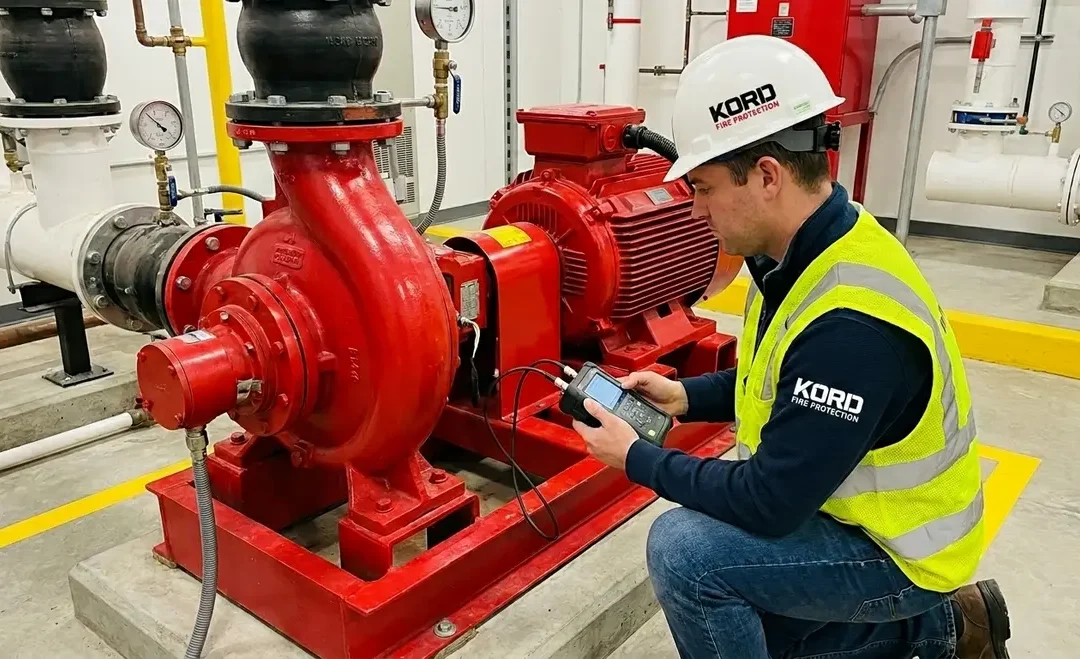
Proper alignment is a fundamental requirement for the reliable operation of rotating equipment in industrial environments. When shafts, couplings, or machine components are not correctly aligned, the resulting problems can lead to increased vibration, excessive wear, energy losses, and even catastrophic failure. Understanding the root causes of alignment issues in rotating machinery and knowing how to correct them is essential for maintenance teams, plant engineers, and anyone responsible for keeping production lines running smoothly.
This article explores the most common sources of misalignment, the warning signs to watch for, and proven correction methods. By addressing these challenges proactively, facilities can reduce unplanned downtime, extend equipment life, and improve operational efficiency. For those interested in broader strategies to minimize interruptions, exploring ways to reduce downtime in candy manufacturing can provide additional insights relevant across many industries.
Understanding Shaft Misalignment in Industrial Equipment
Shaft misalignment occurs when the rotational centers of two or more connected machine components do not coincide. This can happen in pumps, motors, compressors, fans, and other rotating assets. There are two main types of misalignment:
- Angular misalignment: The shafts are at an angle to each other, rather than being parallel.
- Parallel (offset) misalignment: The shafts are parallel but not collinear, meaning their centers are offset.
Both types can occur simultaneously, compounding the negative effects. Even small deviations from proper alignment can cause significant problems over time, making regular checks and adjustments essential.
Common Causes of Alignment Problems
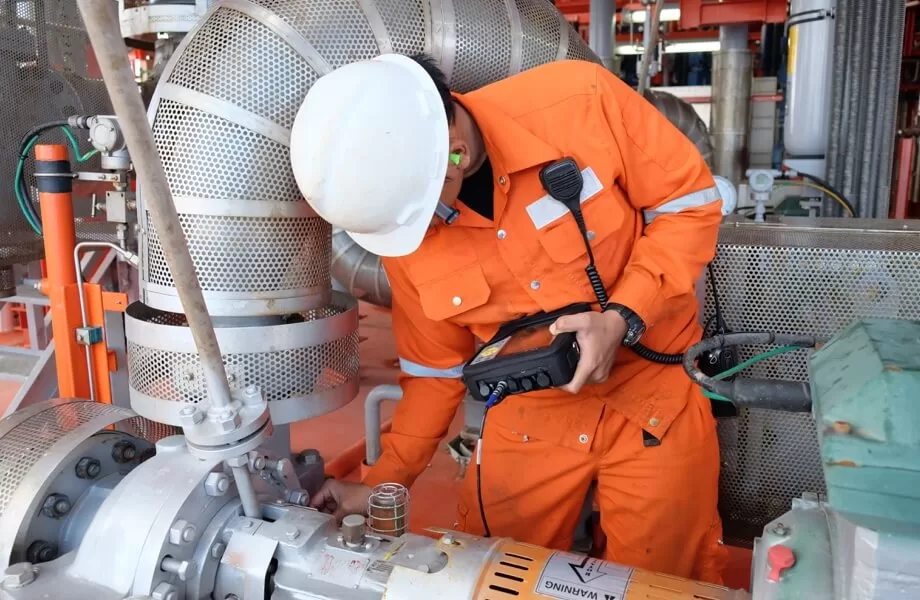
Several factors contribute to alignment issues in rotating machinery. Recognizing these causes can help prevent problems before they escalate:
- Poor installation practices: Inadequate attention during initial setup, such as not using precision alignment tools, can leave equipment out of alignment from the start.
- Thermal growth: As machines heat up during operation, metal components expand at different rates, potentially shifting alignment.
- Foundation settling or movement: Uneven or unstable foundations can cause machines to shift over time, disrupting alignment.
- Pipe strain: Improperly supported or misaligned piping can exert force on connected equipment, pulling shafts out of alignment.
- Wear and tear: Over time, bearing wear, coupling degradation, and other mechanical issues can introduce misalignment.
- Improper repairs or maintenance: Reassembling components without proper alignment checks can introduce new problems.
Identifying the specific cause is crucial for selecting the right correction method and preventing recurrence.
Symptoms and Consequences of Misalignment
Detecting misalignment early is key to avoiding costly repairs and unplanned downtime. Common warning signs include:
- Increased vibration and noise
- Excessive bearing or coupling temperature
- Premature bearing, seal, or coupling failure
- Visible wear patterns on couplings or shafts
- Frequent need for realignment or component replacement
If left unaddressed, misalignment can lead to severe consequences such as shaft breakage, motor burnout, or catastrophic equipment failure. These outcomes not only disrupt production but also pose safety risks and increase maintenance costs.
Detection and Diagnosis Techniques
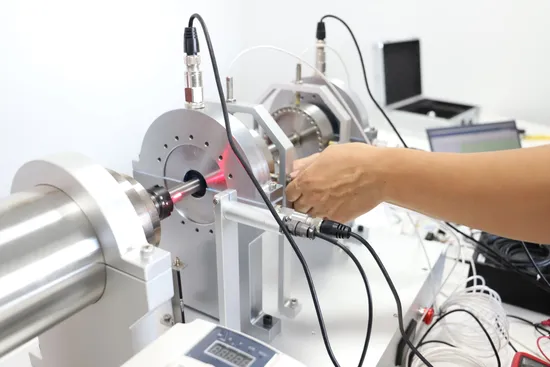
Accurate diagnosis is the first step toward resolving alignment issues in rotating machinery. Several methods are commonly used:
- Visual inspection: Checking for obvious signs of misalignment, such as uneven coupling gaps or worn components.
- Dial indicators: Mechanical gauges that measure shaft position and movement with high precision.
- Laser alignment tools: Advanced devices that use lasers to provide fast, accurate alignment readings and recommendations.
- Vibration analysis: Monitoring vibration patterns can reveal misalignment signatures. For a deeper understanding, see this beginner’s guide to predictive maintenance using vibration analysis.
- Thermography: Infrared cameras can detect abnormal heat patterns caused by friction from misaligned components.
Combining these techniques provides a comprehensive view of machine health and helps pinpoint the source of misalignment.
Correction Methods for Misalignment
Once a problem is confirmed, several approaches can restore proper alignment:
- Mechanical adjustment: Using shims, jackscrews, or other tools to physically move machine bases or components until alignment is achieved.
- Laser alignment: Employing laser-guided systems for precise, repeatable adjustments, especially in critical or high-speed applications.
- Foundation repair: Addressing underlying issues such as settling, cracks, or instability to prevent recurring misalignment.
- Piping support correction: Ensuring all connected pipes are properly supported and aligned to avoid transmitting strain to rotating equipment.
- Component replacement: Worn bearings, couplings, or shafts may need to be replaced to restore alignment and prevent further damage.
After any correction, it is essential to re-verify alignment and monitor the equipment during startup to ensure the issue has been fully resolved.
Best Practices for Preventing Alignment Problems
Proactive maintenance and good installation practices are the best defense against alignment issues in rotating machinery. Consider the following recommendations:
- Always use precision alignment tools during installation and after any major maintenance.
- Regularly inspect and monitor equipment for early signs of misalignment.
- Document alignment measurements and trends to identify recurring problems.
- Train maintenance staff on proper alignment techniques and the importance of accurate setup.
- Address foundation and piping issues promptly to prevent secondary misalignment.
- Integrate alignment checks into your predictive maintenance program. For more on predictive approaches, see how predictive tools for egg shell integrity are improving reliability in other industries.
By following these best practices, organizations can significantly reduce the risk of misalignment and its associated costs.
FAQ: Alignment in Rotating Equipment
What are the most common signs of misalignment in rotating machines?
Frequent symptoms include increased vibration, unusual noise, excessive bearing or coupling temperatures, and premature component wear. Regular monitoring can help catch these issues before they lead to failure.
How often should alignment checks be performed?
It is recommended to check alignment during installation, after any major maintenance or movement, and as part of routine preventive maintenance—typically every 6 to 12 months, depending on equipment criticality and operating conditions.
Can misalignment be detected without specialized tools?
While some signs can be spotted visually or through basic temperature checks, accurate diagnosis and correction require precision tools such as dial indicators or laser alignment systems. Relying solely on visual inspection can miss subtle but damaging misalignments.