
Textile manufacturing relies on high-speed, precision machinery to maintain productivity and fabric quality. Among these, looms are central to weaving operations, but their continuous use makes them susceptible to wear, misalignment, and unexpected breakdowns. Vibration analysis for textile machinery has emerged as a vital technique for early fault detection, enabling maintenance teams to prevent unplanned downtime and extend equipment life.
In this article, we’ll explore how monitoring vibrations helps textile manufacturers keep their looms and related machinery in optimal condition. We’ll cover the basics of vibration monitoring, its benefits, common issues detected, and practical steps for integrating this approach into your maintenance strategy. For those interested in broader strategies to minimize production interruptions, you may also find value in learning about ways to reduce downtime in candy manufacturing, which shares principles relevant across industries.
Understanding Vibration Monitoring in Looms and Textile Equipment
Textile machinery, especially looms, operates at high speeds and is subject to repetitive mechanical forces. Over time, components such as bearings, shafts, and gears can develop faults that generate abnormal vibrations. By measuring and analyzing these vibrations, maintenance teams can identify problems before they escalate into major failures.
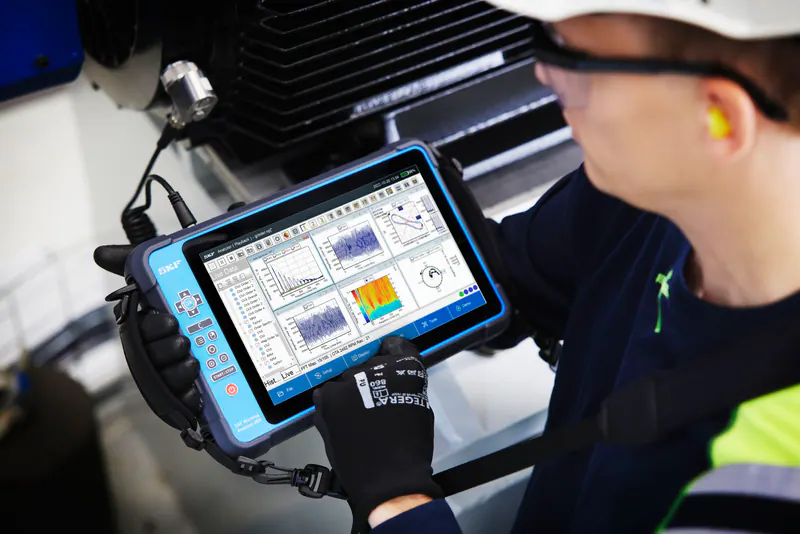
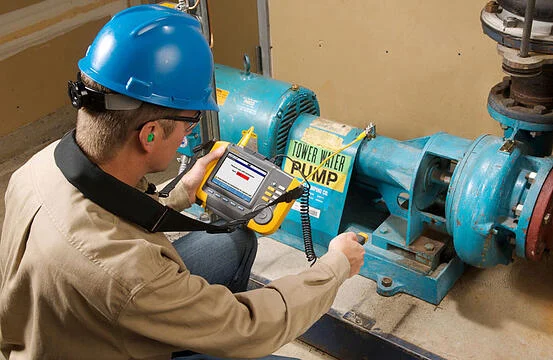
Vibration analysis for textile machinery involves the use of sensors (often accelerometers) placed on critical machine parts. These sensors capture vibration signals, which are then processed to reveal patterns associated with specific faults, such as imbalance, misalignment, or bearing defects. The data can be viewed in real time or logged for trend analysis, supporting both immediate troubleshooting and long-term maintenance planning.
Why Vibration Analysis Matters for Textile Plants
Unplanned downtime is costly in any manufacturing environment, but in textiles, it can also lead to fabric defects, missed deadlines, and increased waste. By implementing vibration analysis for textile machinery, manufacturers can:
- Detect early-stage faults in bearings, gears, and drive systems before they cause catastrophic failures.
- Reduce unplanned stoppages by scheduling repairs based on actual machine condition rather than fixed intervals.
- Improve product quality by maintaining consistent machine performance and minimizing vibration-induced defects.
- Extend equipment lifespan by addressing issues proactively, reducing wear and tear on critical components.
- Optimize maintenance resources by focusing efforts where they are truly needed, avoiding unnecessary part replacements.
For more insights into predictive maintenance and its impact on production efficiency, consider reading about predictive tools for egg shell integrity, which highlights similar monitoring approaches in another sector.
Common Issues Detected Through Vibration Analysis
Textile machinery is complex, with many moving parts that can develop faults over time. Some of the most frequent problems identified through vibration monitoring include:
- Bearing wear or failure: Increased vibration at specific frequencies often signals bearing defects, which can lead to overheating and eventual seizure if not addressed.
- Shaft misalignment: Misaligned shafts create distinctive vibration patterns and can cause excessive wear on couplings and bearings.
- Imbalance in rotating components: Unbalanced rollers or pulleys generate high-amplitude vibrations, reducing machine stability and fabric quality.
- Gear mesh issues: Damaged or worn gears produce characteristic vibration signatures, often accompanied by noise and reduced efficiency.
- Looseness: Loose bolts, mounts, or structural components can cause irregular vibration spikes and rattling sounds.
By identifying these issues early, maintenance teams can plan targeted interventions, minimizing disruption to production schedules.
Integrating Vibration Monitoring into Maintenance Programs
To maximize the benefits of vibration analysis, textile plants should integrate it into a broader predictive maintenance strategy. Here’s how to get started:
- Identify critical assets: Focus on looms, spinning frames, and other machines whose failure would cause significant disruption.
- Install appropriate sensors: Use accelerometers or vibration transmitters on key components such as bearings, motors, and gearboxes.
- Set baseline measurements: Record vibration levels when machines are operating normally to establish reference points for future comparisons.
- Monitor regularly: Collect and analyze vibration data on a scheduled basis, or set up continuous monitoring for high-value assets.
- Train staff: Ensure maintenance personnel understand how to interpret vibration data and respond to early warning signs.
- Act on findings: Use the insights gained to schedule repairs, replace worn parts, or adjust machine settings before failures occur.
For a detailed overview of vibration monitoring techniques and their application in industrial settings, you can refer to this comprehensive guide to vibration analysis.
Best Practices for Implementing Vibration Analysis in Textile Facilities
Success with vibration monitoring depends on a systematic approach. Here are some best practices to ensure effective implementation:
- Start with a pilot program on a few machines to demonstrate value before scaling up plant-wide.
- Combine vibration data with other condition monitoring methods, such as thermography or oil analysis, for a more complete picture of machine health.
- Leverage software tools that automate data collection, analysis, and reporting, making it easier to spot trends and prioritize actions.
- Review and update alarm thresholds as you gather more data, ensuring alerts are accurate and actionable.
- Document findings and interventions to build a knowledge base that supports continuous improvement.
By following these steps, textile manufacturers can create a proactive maintenance culture that keeps looms and other machinery running smoothly, reducing both costs and risks.
Challenges and Solutions in Vibration Monitoring for Textile Machinery
While the advantages are clear, there are some challenges to consider when adopting vibration analysis in textile environments:
- Environmental noise: High ambient noise and vibration from adjacent machines can interfere with sensor readings. Use proper sensor placement and filtering techniques to isolate relevant signals.
- Skill gaps: Not all maintenance staff are familiar with vibration data interpretation. Invest in training or partner with experienced service providers.
- Initial investment: Sensors and software require upfront costs, but these are often offset by reduced downtime and lower repair expenses over time.
- Data overload: Large facilities can generate vast amounts of data. Focus on actionable insights and automate reporting to avoid analysis paralysis.
Addressing these challenges ensures that vibration monitoring delivers consistent value and supports long-term operational excellence.
Frequently Asked Questions
What types of textile machinery benefit most from vibration analysis?
While all moving equipment can benefit, looms, spinning frames, winders, and carding machines are particularly well-suited due to their high-speed operation and critical role in production. Monitoring these assets helps prevent costly breakdowns and maintains fabric quality.
How often should vibration data be collected in a textile plant?
The optimal frequency depends on machine criticality and operational intensity. For essential assets, continuous monitoring or weekly checks are recommended. Less critical machines may be monitored monthly. Establishing baseline data and adjusting intervals based on risk is a best practice.
Can vibration analysis be combined with other predictive maintenance tools?
Yes, integrating vibration monitoring with techniques like thermography, ultrasonic inspection, and oil analysis offers a more comprehensive view of equipment health. This multi-pronged approach enhances fault detection and supports better maintenance decisions.
Conclusion
Adopting vibration analysis for textile machinery is a practical, cost-effective way to keep looms and other equipment running reliably. By identifying faults early, optimizing maintenance schedules, and minimizing unplanned downtime, textile manufacturers can boost productivity and protect their investments. As technology advances, the integration of smart sensors and analytics will make predictive maintenance even more accessible and impactful for the textile industry.