

The manufacturing sector is undergoing a profound transformation as digital technologies become deeply embedded in everyday operations. Among these advancements, industrial IoT maintenance applications are playing a pivotal role in optimizing equipment reliability, reducing downtime, and enabling smarter, data-driven decision-making. By leveraging connected sensors, real-time analytics, and cloud platforms, factories are moving beyond traditional maintenance routines to embrace predictive and prescriptive strategies that maximize productivity and minimize costs.
For professionals seeking to deepen their understanding of vibration signals and their impact on asset reliability, resources like machine vibration data interpretation offer valuable insights into practical field analysis and diagnostics.
Key Drivers Behind IoT-Enabled Maintenance in Manufacturing
Modern factories face increasing pressure to maintain high throughput, ensure product quality, and keep operational costs in check. Traditional maintenance approaches—such as reactive repairs or scheduled servicing—often lead to unnecessary downtime or missed early warning signs of failure. The integration of industrial IoT maintenance applications addresses these challenges by enabling continuous monitoring and intelligent analysis of equipment health.
Several factors are fueling the adoption of these solutions:
- Rising complexity of machinery and automation systems, making manual inspections less effective.
- Demand for real-time insights to prevent unplanned stoppages and optimize asset utilization.
- Availability of affordable sensors and robust wireless connectivity, allowing seamless data collection from even legacy equipment.
- Advances in cloud computing and artificial intelligence, which make it possible to analyze vast amounts of operational data and generate actionable recommendations.
How Industrial IoT Maintenance Applications Work
At the core of these digital maintenance solutions are networks of sensors installed on critical assets—motors, pumps, conveyors, and more. These sensors continuously capture parameters such as vibration, temperature, pressure, and electrical current. The collected data is transmitted to centralized platforms, where advanced algorithms analyze patterns and detect anomalies that may indicate wear, misalignment, or impending failure.

The process typically involves several steps:
- Data acquisition: Sensors gather real-time information from equipment.
- Data transmission: Information is sent to edge devices or cloud servers for processing.
- Analysis: Machine learning models and rule-based systems interpret the data, identifying deviations from normal operating conditions.
- Alerts and recommendations: Maintenance teams receive notifications about potential issues, along with suggested actions or schedules for intervention.
This approach allows for a shift from time-based or reactive maintenance to predictive and prescriptive strategies, where interventions are performed only when truly needed—reducing unnecessary labor and minimizing the risk of catastrophic failures.
Benefits of IoT-Based Maintenance Solutions
The adoption of industrial IoT maintenance applications brings a host of tangible benefits to manufacturing operations:
- Reduced unplanned downtime: Early detection of anomalies enables timely repairs before breakdowns occur.
- Lower maintenance costs: Resources are allocated more efficiently, and unnecessary part replacements are avoided.
- Extended equipment lifespan: Continuous monitoring helps identify and address minor issues before they escalate, preserving asset value.
- Improved safety: Automated alerts reduce the need for manual inspections in hazardous environments.
- Data-driven decision-making: Historical and real-time data support better planning and continuous improvement initiatives.
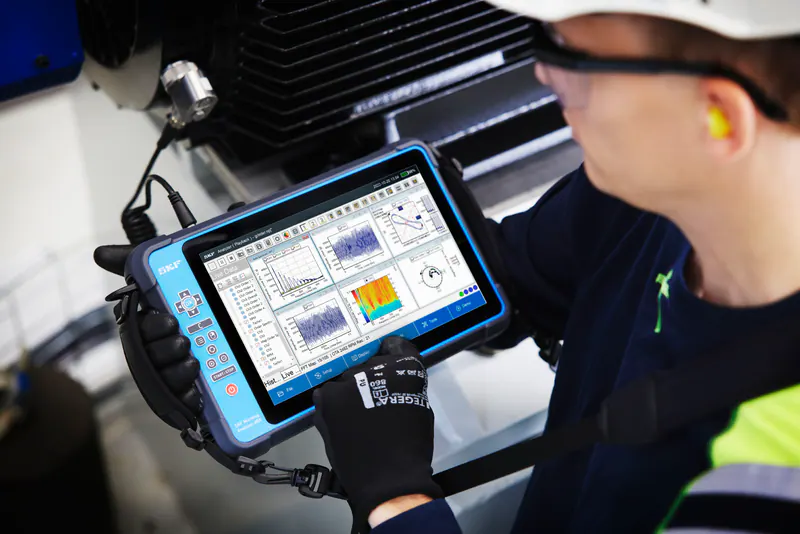
For example, vibration analysis is a cornerstone of predictive maintenance. By monitoring vibration signatures, teams can detect imbalances, misalignments, or bearing wear long before they cause failures. For a deeper dive into this technique, see this comprehensive guide on vibration analysis for predictive maintenance.
Common Use Cases and Applications in Modern Factories
The versatility of IoT-driven maintenance extends across various industrial sectors. Some of the most impactful applications include:
- Condition monitoring of rotating equipment: Motors, fans, and pumps are continuously assessed for signs of degradation.
- Energy management: Real-time tracking of power consumption helps identify inefficiencies and optimize energy use.
- Remote diagnostics: Maintenance experts can troubleshoot issues from afar, reducing travel and response times.
- Asset tracking and utilization: Factories gain visibility into equipment usage patterns, supporting better scheduling and investment decisions.
- Integration with enterprise systems: Maintenance data can be linked with ERP and CMMS platforms to streamline workflows and reporting.
Challenges and Considerations for Implementation
While the advantages of connected maintenance are clear, successful deployment requires careful planning and ongoing management. Key challenges include:
- Data integration: Bringing together information from diverse sensors, legacy systems, and software platforms can be complex.
- Cybersecurity: Protecting sensitive operational data from unauthorized access is critical as connectivity increases.
- Change management: Staff may need training to interpret new types of data and adopt digital workflows.
- Scalability: Solutions should be designed to grow with the factory’s needs, supporting additional assets and analytics over time.
A phased approach—starting with pilot projects on high-value assets—can help organizations build confidence, demonstrate ROI, and refine their strategies before scaling up.
Future Trends in Smart Maintenance Technologies
The landscape of industrial IoT maintenance applications is evolving rapidly. Emerging trends include:
- Edge computing: Processing data closer to the source reduces latency and bandwidth requirements, enabling faster decision-making.
- AI-driven diagnostics: Advanced algorithms are increasingly capable of not just identifying faults, but also prescribing optimal corrective actions.
- Integration with digital twins: Virtual models of assets allow for simulation and scenario planning, further enhancing predictive capabilities.
- Self-healing systems: Some platforms are beginning to automate certain maintenance tasks, such as recalibrating sensors or adjusting operating parameters in real time.
As these technologies mature, the role of human expertise will shift toward higher-level analysis, strategic planning, and continuous improvement—supported by a wealth of actionable data.
Expert Resources and Further Reading
For those interested in the technical foundations of vibration analysis, how vibration analysis works provides a thorough explanation of the principles, tools, and benefits of this essential maintenance technique.
Additionally, exploring topics such as predictive tools for egg shell integrity or how to monitor steam quality in food sterilization can offer broader perspectives on how IoT and predictive analytics are transforming diverse manufacturing processes.
Frequently Asked Questions
What are the main advantages of using IoT for maintenance in factories?
The primary benefits include reduced unplanned downtime, lower maintenance costs, improved equipment longevity, enhanced safety, and more informed decision-making. By enabling continuous monitoring and predictive analytics, IoT-based solutions help factories address issues before they escalate, optimize resource allocation, and maintain high operational efficiency.
How do industrial IoT maintenance applications differ from traditional maintenance methods?
Unlike reactive or scheduled maintenance, IoT-enabled approaches rely on real-time data from connected sensors to assess equipment health. This allows for predictive and prescriptive interventions, targeting maintenance efforts where and when they are most needed, rather than relying on fixed schedules or waiting for failures to occur.
What are some common challenges when implementing IoT-based maintenance solutions?
Key challenges include integrating data from multiple sources, ensuring cybersecurity, managing organizational change, and scaling solutions as needs evolve. Addressing these issues requires careful planning, investment in staff training, and a focus on building robust, flexible architectures that can adapt to future requirements.