

Maintaining the reliability and safety of food processing machinery is essential for both product quality and operational efficiency. Vibration analysis for food processing equipment has become a key strategy for identifying early signs of mechanical issues, reducing unplanned downtime, and ensuring compliance with strict safety standards. By monitoring the vibrations of critical assets, plant managers and maintenance teams can detect problems before they escalate, ultimately safeguarding both uptime and food safety.
This guide explores how vibration monitoring supports preventive maintenance, enhances workplace safety, and drives continuous improvement in food production environments. For those interested in the practical aspects of interpreting vibration signals, the machine vibration data interpretation resource provides a field-focused perspective on making sense of collected data.
Why Vibration Monitoring Matters in Food Production
Food processing facilities rely on a wide range of mechanical systems—conveyors, mixers, pumps, packaging lines, and more. These machines operate in demanding conditions, often running around the clock. Over time, components such as bearings, gears, and motors can develop faults due to wear, misalignment, or contamination. If left unchecked, these issues can lead to unexpected breakdowns, product contamination, or even safety hazards.
By implementing vibration analysis for food processing equipment, organizations can:
- Detect early signs of mechanical failure before they cause costly downtime or product recalls.
- Reduce maintenance costs by targeting repairs only when needed, rather than relying solely on scheduled maintenance.
- Enhance safety by identifying hazardous conditions, such as loose components or excessive vibration that could compromise equipment integrity.
- Comply with regulatory standards for food safety and workplace health by maintaining equipment in optimal condition.

How Vibration Analysis Supports Preventive Maintenance
Preventive maintenance is a proactive approach that aims to keep equipment running smoothly and avoid unexpected failures. Vibration monitoring fits perfectly into this strategy by providing real-time data on the health of rotating and reciprocating machinery.
Key steps in leveraging vibration analysis for preventive maintenance include:
- Baseline Measurement: Establish normal vibration signatures for each machine when operating under standard conditions.
- Routine Monitoring: Collect vibration data at regular intervals using handheld sensors or permanently installed monitoring systems.
- Trend Analysis: Compare new data against baseline values to identify changes that may indicate developing faults.
- Fault Diagnosis: Use frequency analysis and pattern recognition to pinpoint the root cause of abnormal vibrations—such as imbalance, misalignment, or bearing wear.
- Targeted Intervention: Schedule repairs or part replacements only when the data shows a clear need, minimizing unnecessary downtime.
For a comprehensive overview of how vibration monitoring fits into predictive strategies, see the vibration analysis for predictive maintenance article.
Common Issues Detected by Vibration Monitoring
Vibration analysis can reveal a range of mechanical problems that are common in food processing environments. Some of the most frequently detected issues include:
- Bearing Defects: Early signs of pitting, spalling, or lubrication failure.
- Imbalance: Uneven mass distribution in rotating parts, leading to excessive vibration and wear.
- Misalignment: Shafts or couplings that are not properly aligned, causing stress and premature failure.
- Looseness: Loose bolts, mounts, or structural supports that can lead to unsafe operating conditions.
- Gear Wear: Tooth damage or backlash in gearboxes, often indicated by specific vibration frequencies.
Addressing these issues promptly not only extends equipment life but also helps maintain product quality and consistency.
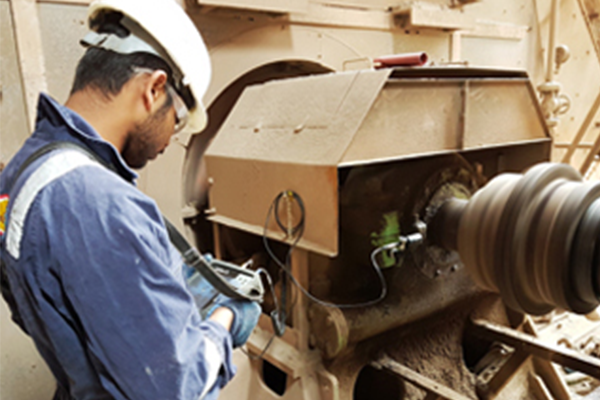
Integrating Vibration Data with Digital Maintenance Systems
Modern food processing plants are increasingly adopting digital tools to streamline maintenance and improve decision-making. Integrating vibration monitoring data with computerized maintenance management systems (CMMS) or condition monitoring platforms enables teams to:
- Automate alerts when vibration levels exceed safe thresholds.
- Track historical trends for each asset, supporting root cause analysis and continuous improvement.
- Generate actionable reports that guide maintenance scheduling and resource allocation.
For those beginning their journey into digital maintenance, the digital transformation in industrial maintenance guide offers practical advice on where to start and how to maximize ROI.
Ensuring Food Safety and Regulatory Compliance
Food safety is non-negotiable in processing environments. Equipment failures can lead to contamination, foreign object intrusion, or compromised product integrity. By using vibration analysis for food processing equipment, facilities can demonstrate due diligence in maintaining machinery, which is often required by regulatory bodies such as the FDA or local food safety authorities.
Routine vibration monitoring helps document maintenance activities and provides evidence that equipment is being properly maintained. This not only supports compliance but also builds trust with customers and auditors.
Best Practices for Implementing Vibration Monitoring
To get the most value from vibration analysis, food processors should consider the following best practices:
- Select the right sensors for each application—considering factors like temperature, washdown requirements, and mounting options.
- Train maintenance staff in both data collection and interpretation, ensuring that warning signs are not missed.
- Establish clear alarm thresholds based on manufacturer recommendations and historical data.
- Integrate vibration data with other condition monitoring techniques, such as thermography or oil analysis, for a holistic view of equipment health.
- Document findings using structured reports. For guidance on reporting, the vibration analysis report guide outlines how to write clear, actionable findings.
Case Study: Real-World Benefits of Vibration Monitoring
Many food manufacturers have reported significant benefits after adopting vibration analysis. For example, a large bakery reduced unplanned downtime by 30% after implementing a routine monitoring program. Early detection of bearing wear in mixers and conveyors allowed the maintenance team to schedule repairs during planned shutdowns, avoiding costly production interruptions and minimizing the risk of product contamination.
Similar results have been observed in dairy, beverage, and meat processing plants, where vibration monitoring has become a cornerstone of preventive maintenance strategies.
To explore additional industry examples and technical details, the Cadence Petroleum blog on vibration analysis provides further insights into how this technology is transforming industrial maintenance.
Frequently Asked Questions
What types of food processing equipment benefit most from vibration analysis?
Rotating and reciprocating machinery such as mixers, pumps, conveyors, compressors, and packaging equipment gain the most from vibration monitoring. These assets are prone to mechanical faults that can be detected early through vibration data.
How often should vibration data be collected in a food processing plant?
The frequency of monitoring depends on equipment criticality and operating conditions. High-risk or mission-critical machines may require continuous monitoring, while less critical assets can be checked weekly or monthly. Establishing a baseline and following manufacturer recommendations is key.
Can vibration analysis help with food safety audits?
Yes. Documented vibration monitoring activities demonstrate proactive maintenance and equipment care, which is often required during food safety audits. This helps facilities show compliance with regulatory standards and supports a culture of continuous improvement.