
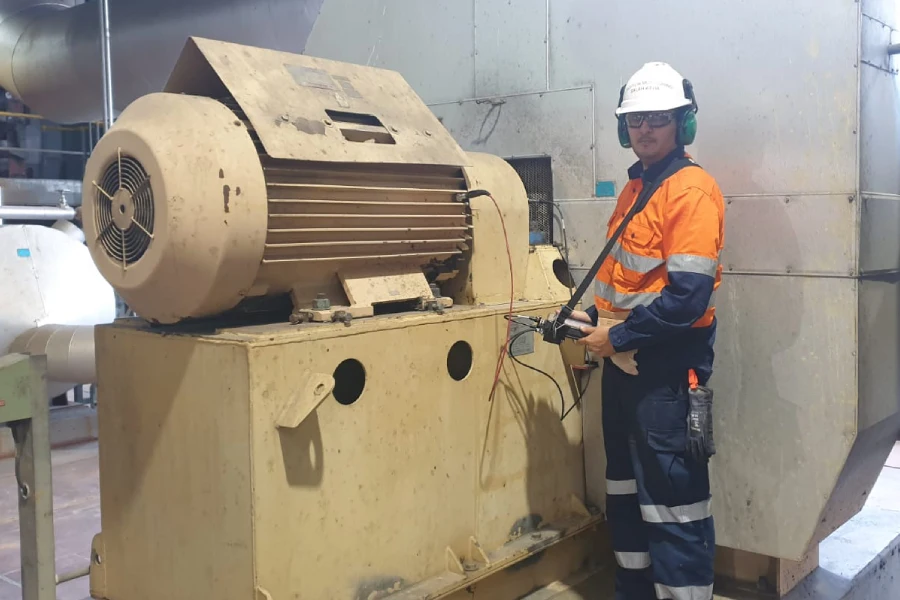
Digital transformation in industrial maintenance is rapidly changing how manufacturers, utilities, and process industries manage their assets and operations. With increasing pressure to reduce downtime, optimize costs, and improve safety, organizations are turning to digital tools and data-driven strategies. However, the journey can seem overwhelming, especially for those just beginning to modernize their maintenance processes.
Starting this transition requires a clear understanding of current challenges, a realistic assessment of available technologies, and a step-by-step approach tailored to your facility’s needs. This article provides a practical roadmap for organizations looking to embrace digitalization in maintenance, from identifying priorities to selecting the right tools and building a culture of continuous improvement.
For those in specialized industries, such as food processing, exploring ways to reduce downtime in candy manufacturing can offer valuable insights into how predictive maintenance and digital tools are already making an impact.
Understanding the Need for Modernization
Traditional maintenance approaches—such as reactive or scheduled maintenance—often lead to unnecessary costs, unplanned outages, and inefficient resource use. As equipment becomes more complex and production demands increase, these methods struggle to keep pace. Digital transformation in industrial maintenance introduces a shift toward predictive and prescriptive strategies, using real-time data and analytics to anticipate failures and optimize interventions.
Key drivers for adopting digital solutions include:
- Reducing unplanned downtime and production losses
- Extending asset life and improving reliability
- Enhancing worker safety and compliance
- Lowering maintenance costs through targeted interventions
- Enabling data-driven decision making
Assessing Your Current Maintenance Maturity
Before investing in new technologies, it’s important to assess your organization’s current maintenance maturity. This helps identify gaps, set realistic goals, and prioritize initiatives that will deliver the greatest value.
Consider these questions:
- Are most maintenance activities reactive, preventive, or predictive?
- How is maintenance data collected, stored, and analyzed?
- What are the main causes of downtime or equipment failure?
- Is there a computerized maintenance management system (CMMS) in place?
- How well are teams trained in digital tools and data interpretation?
A maturity assessment provides a baseline and helps build a business case for digital transformation in industrial maintenance.
Setting Clear Objectives and Priorities
Successful digitalization starts with well-defined objectives. Rather than trying to overhaul every process at once, focus on areas where digital tools can deliver quick, measurable improvements. For example, targeting high-value assets or chronic problem areas can help demonstrate early wins and build momentum.
Common objectives include:
- Reducing mean time to repair (MTTR)
- Improving mean time between failures (MTBF)
- Lowering spare parts inventory costs
- Increasing asset utilization rates
Aligning these goals with broader business objectives—such as sustainability, safety, or production targets—ensures that digital transformation efforts support overall organizational strategy.
Choosing the Right Technologies for Your Facility
The technology landscape for maintenance is broad and evolving. Selecting the right tools depends on your facility’s needs, existing infrastructure, and budget. Some of the most impactful solutions include:
- Condition monitoring sensors for vibration, temperature, and pressure
- Wireless data collection and Industrial Internet of Things (IIoT) platforms
- Advanced analytics and machine learning for predictive maintenance
- Mobile applications for work order management and inspections
- Cloud-based CMMS for centralized data access
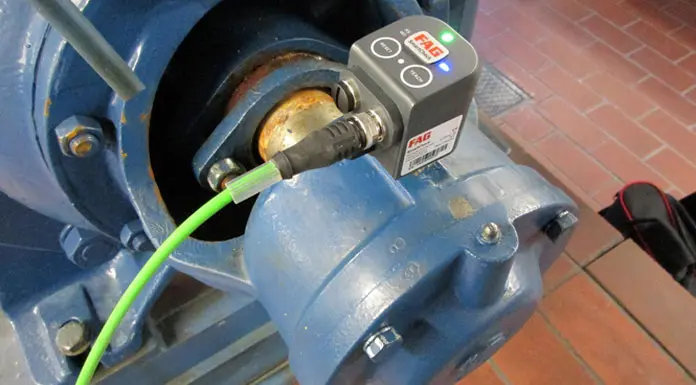
For example, implementing vibration monitoring systems can help detect early signs of mechanical issues in pumps and rotating machinery, reducing the risk of catastrophic failures. For a deeper dive into how vibration analysis supports predictive maintenance, see this comprehensive guide to vibration analysis in industrial settings.
Building a Data-Driven Maintenance Culture
Technology alone does not guarantee success. A true transformation requires a shift in culture, where teams embrace data-driven decision making and continuous improvement. This involves:
- Training staff on new tools and analytics
- Encouraging cross-functional collaboration between maintenance, operations, and IT
- Establishing clear processes for data collection, analysis, and action
- Celebrating early successes and learning from setbacks
Leadership support is essential for overcoming resistance to change and ensuring that digital initiatives are sustained over the long term.
Implementing Predictive and Prescriptive Maintenance
One of the most significant benefits of digital transformation in industrial maintenance is the ability to move from reactive or time-based interventions to predictive and prescriptive strategies. Predictive maintenance uses sensor data and analytics to forecast equipment failures, while prescriptive maintenance recommends specific actions to prevent issues or optimize performance.
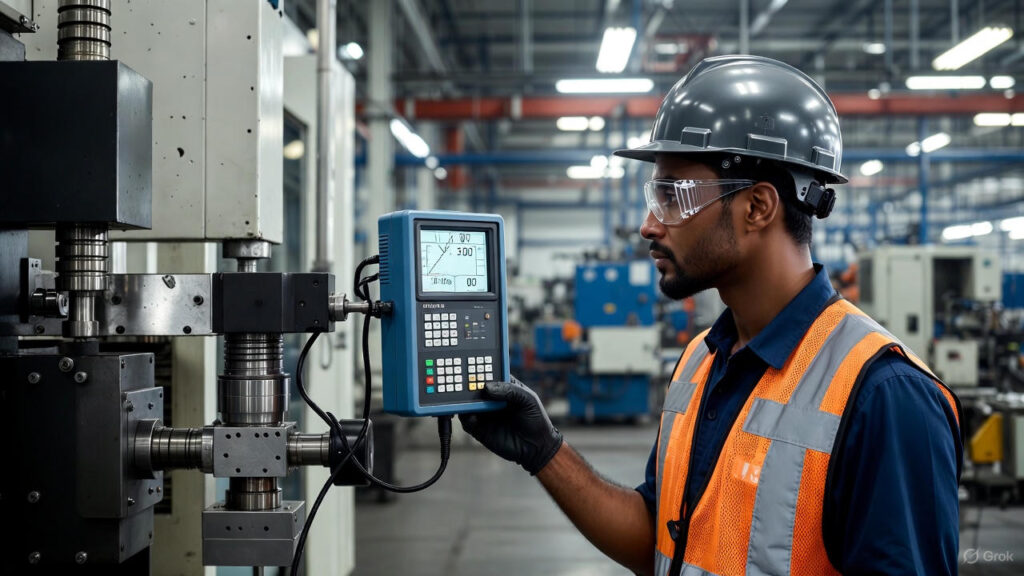
To get started, many organizations begin by instrumenting critical assets with sensors and integrating these with their CMMS or IIoT platform. Over time, machine learning models can be trained on historical data to improve accuracy and provide actionable insights. This approach not only reduces downtime but also helps optimize spare parts management and labor allocation.
Overcoming Common Challenges in Digitalization
While the benefits are clear, organizations often face challenges such as budget constraints, legacy equipment, data silos, and workforce resistance. Addressing these obstacles requires:
- Starting with pilot projects to prove value before scaling up
- Ensuring interoperability between new and existing systems
- Investing in change management and ongoing training
- Prioritizing cybersecurity and data privacy
By taking a phased approach and focusing on measurable outcomes, organizations can minimize risk and maximize return on investment.
Integrating Digital Maintenance with Broader Operations
Digital transformation in industrial maintenance does not happen in isolation. Integrating maintenance data with production, quality, and supply chain systems unlocks even greater efficiencies. For example, predictive insights can inform production scheduling, reduce bottlenecks, and support just-in-time inventory management.
In the food industry, leveraging predictive tools for egg shell integrity or monitoring steam quality in sterilization demonstrates how maintenance data can directly impact product quality and safety.
Measuring Success and Scaling Up
Establishing key performance indicators (KPIs) is critical for tracking progress and justifying further investment. Common KPIs include:
- Reduction in unplanned downtime
- Decrease in maintenance costs
- Improvement in asset reliability and availability
- Enhanced safety metrics
Regularly reviewing these metrics helps identify areas for further improvement and supports the case for scaling digital initiatives across more assets or sites.
Frequently Asked Questions
What are the first steps to begin digitalizing maintenance operations?
Start by assessing your current maintenance practices, identifying critical assets, and defining clear objectives. Choose a pilot project with high impact potential, such as implementing condition monitoring on a key production line. Ensure you have leadership support and a plan for training staff on new tools.
How can small and medium-sized facilities afford digital transformation?
Begin with scalable, cost-effective solutions like wireless sensors or cloud-based CMMS platforms. Focus on areas where digital tools can quickly reduce downtime or maintenance costs. Demonstrating early ROI can help secure additional budget for future expansion.
What skills are needed for a successful transition to digital maintenance?
Teams should develop skills in data analysis, condition monitoring, and digital tool usage. Cross-functional collaboration between maintenance, IT, and operations is also important. Ongoing training and a culture of continuous learning are key to sustaining success.