
Understanding industrial vibration testing methods is essential for any facility that relies on rotating machinery, heavy equipment, or critical infrastructure. These testing techniques help detect faults, prevent unexpected breakdowns, and extend the lifespan of assets. However, with several approaches available, choosing the most suitable method for your operation can be challenging.
This article breaks down the most common vibration testing techniques used in industrial settings, highlighting their strengths, limitations, and ideal applications. Whether you’re responsible for predictive maintenance, quality assurance, or reliability engineering, a clear grasp of these methods will help you make informed decisions and optimize your maintenance strategy.
For a deeper dive into interpreting vibration data in the field, see machine vibration data interpretation for practical guidance on analyzing real-world results.
Why Vibration Testing Matters in Industry
Vibration analysis is a cornerstone of condition monitoring and predictive maintenance. By measuring and analyzing the oscillations of machinery and structures, maintenance teams can:
- Detect early signs of mechanical faults such as misalignment, imbalance, or bearing defects
- Reduce unplanned downtime and costly repairs
- Improve safety and reliability of critical assets
- Optimize maintenance intervals and resource allocation
With the right testing approach, organizations can move from reactive to proactive maintenance, saving both time and money.
Overview of Key Industrial Vibration Testing Methods
There are several established techniques for assessing vibration in industrial environments. The choice depends on your goals, equipment, and the nature of the assets being monitored. Below are the most widely used methods:
Route-Based Vibration Data Collection
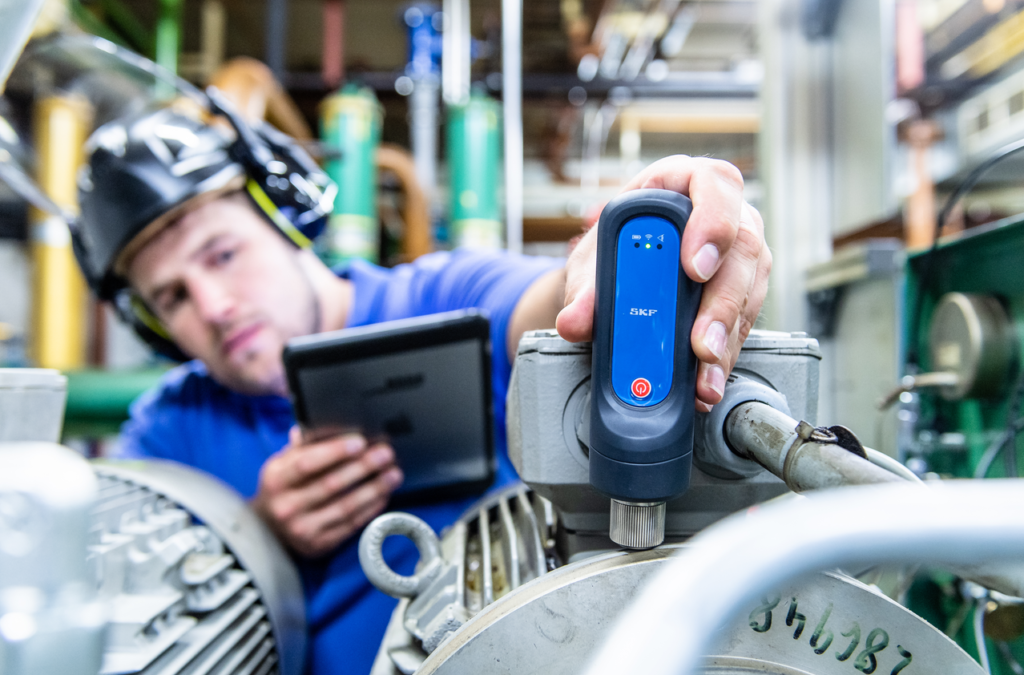
This traditional approach involves technicians using portable vibration analyzers to collect data at scheduled intervals. Sensors are placed at specific locations on machines, and the data is later analyzed for trends and anomalies.
- Strengths: Cost-effective for facilities with limited assets or infrequent monitoring needs. Provides a historical record for trending.
- Limitations: Data is only as current as the last collection round. Sudden failures between intervals may be missed.

Route-based testing is often the starting point for many organizations, especially those new to condition monitoring.
Continuous Online Vibration Monitoring
For critical assets, permanent sensors are installed to provide real-time vibration data. This method enables immediate detection of abnormal conditions and supports advanced analytics.
- Strengths: Enables 24/7 monitoring, rapid fault detection, and integration with automated alarms or control systems.
- Limitations: Higher initial investment and complexity. Best suited for high-value or mission-critical equipment.
Continuous monitoring is ideal for industries where downtime is extremely costly or safety is paramount.
Impact (Bump) Testing
Impact testing, also known as bump testing, involves striking a structure or component with a calibrated hammer while measuring the resulting vibration response. This method is used to determine natural frequencies, mode shapes, and structural integrity.
- Strengths: Effective for diagnosing resonance issues and validating design assumptions.
- Limitations: Not suitable for ongoing condition monitoring. Requires equipment shutdown and specialized expertise.
Impact testing is commonly used during commissioning, troubleshooting, or after modifications to ensure structural health.
Resonance and Modal Analysis
Modal analysis goes beyond basic vibration measurement by mapping the dynamic behavior of structures. It identifies how different parts of a machine or structure respond to various frequencies, helping engineers address resonance and optimize designs.
- Strengths: Provides deep insights into complex vibration problems and structural dynamics.
- Limitations: Requires advanced equipment and analysis skills. More often used in R&D or engineering projects than routine maintenance.
For facilities facing persistent vibration issues or planning major upgrades, modal analysis can be a valuable investment.
Choosing the Right Vibration Testing Approach
Selecting the most appropriate method depends on several factors:
- Asset Criticality: High-value or safety-critical equipment may justify continuous monitoring, while less critical assets can be checked periodically.
- Budget and Resources: Consider the cost of equipment, installation, and training versus the potential savings from reduced downtime.
- Maintenance Strategy: Facilities with a predictive maintenance focus often benefit from a mix of route-based and online monitoring.
- Expertise: Some methods, like modal analysis, require specialized knowledge and may be best outsourced.
For practical advice on writing actionable findings from your vibration studies, refer to the vibration analysis report guide.
Common Applications of Industrial Vibration Testing
These testing techniques are widely used across industries such as manufacturing, power generation, oil and gas, mining, and transportation. Typical applications include:
- Monitoring pumps, motors, fans, compressors, and turbines
- Detecting misalignment, imbalance, looseness, and bearing wear
- Assessing structural health of bridges, towers, and large machinery
- Supporting root cause analysis and reliability improvement initiatives

Integrating vibration testing with other maintenance technologies, such as thermography or oil analysis, can further enhance reliability and asset performance.
Best Practices for Effective Vibration Testing
To maximize the value of your vibration testing program, keep these best practices in mind:
- Establish clear objectives and select the method that aligns with your goals
- Ensure sensors are properly mounted and calibrated for accurate readings
- Train staff in data collection, analysis, and interpretation
- Regularly review and update testing routes or monitoring parameters
- Document findings and integrate results into your maintenance management system
For organizations embarking on modernization, exploring digital transformation in industrial maintenance can help streamline data collection and analysis processes.
Comparing Vibration Testing Methods: Quick Reference Table
| Method | Best For | Key Advantages | Main Limitations |
|---|---|---|---|
| Route-Based Data Collection | General maintenance, trending | Cost-effective, flexible | Gaps between measurements |
| Continuous Online Monitoring | Critical assets, real-time alerts | Immediate detection, automation | Higher cost, complexity |
| Impact (Bump) Testing | Structural analysis, commissioning | Resonance detection, validation | Not for ongoing monitoring |
| Modal Analysis | Engineering, persistent issues | Deep insights, design optimization | Requires expertise, time-consuming |
Further Resources and Industry Insights
For a comprehensive overview of how vibration analysis supports predictive maintenance, see vibration analysis for predictive maintenance. If you’re interested in learning more about the science and practicalities of vibration analysis, this detailed article on vibration analysis offers in-depth technical explanations and real-world examples.
Alignment issues are another common source of machine vibration. For guidance on diagnosing and correcting these problems, check out alignment issues in rotating machinery.
Frequently Asked Questions
What is the most common industrial vibration testing method?
Route-based vibration data collection is the most widely used method, especially in facilities starting with condition monitoring. It offers a balance of cost, flexibility, and actionable insights for most rotating equipment.
When should continuous online monitoring be used?
Continuous monitoring is best for high-value or safety-critical assets where immediate fault detection is essential. Examples include turbines, large compressors, and equipment in hazardous environments.
How do I know which vibration testing method is right for my facility?
Consider your asset criticality, maintenance strategy, available resources, and the expertise of your team. Many organizations use a combination of methods to cover different needs and risk profiles.
Conclusion
Choosing the right approach to industrial vibration testing methods can make a significant difference in equipment reliability, safety, and maintenance efficiency. By understanding the strengths and limitations of each technique, you can tailor your monitoring program to fit your facility’s unique requirements and budget. Regular review and adaptation of your strategy will ensure you stay ahead of potential failures and maximize the value of your assets.