
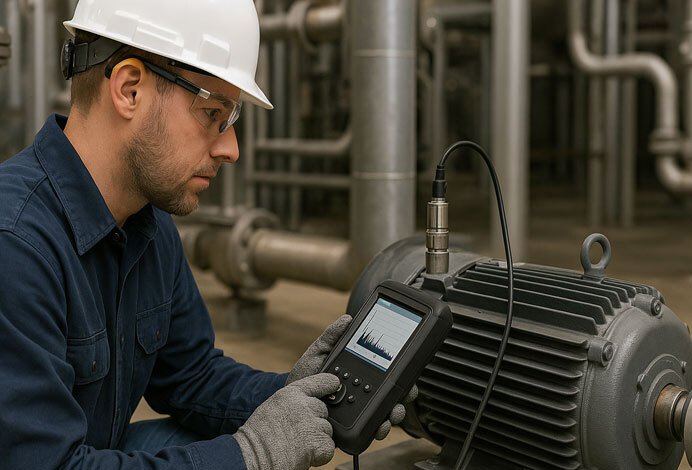
Factory equipment health monitoring is a critical aspect of modern industrial operations. As factories become more automated and production demands increase, ensuring machinery runs reliably and efficiently is essential. By tracking the condition of assets in real time, manufacturers can prevent unexpected breakdowns, optimize maintenance schedules, and extend the lifespan of valuable equipment. This approach not only reduces downtime and costs but also supports a safer and more productive work environment.
Understanding the right tools, tactics, and best practices for monitoring equipment health can be challenging. With a variety of technologies and methodologies available, it’s important to choose solutions that align with your facility’s needs and goals. This guide explores the fundamentals of monitoring machinery health, the latest tools and techniques, and actionable strategies for successful implementation.
For those looking to deepen their understanding of interpreting vibration data, the machine vibration data interpretation guide offers practical insights into analyzing and acting on sensor readings.
Why Monitoring Equipment Condition Matters
Unplanned equipment failures can halt production lines, lead to costly repairs, and compromise safety. By implementing a structured approach to monitoring asset health, factories can shift from reactive to proactive maintenance. This transition enables teams to:
- Detect early signs of wear or malfunction before they escalate into major issues
- Reduce emergency repair costs and production losses
- Improve overall equipment effectiveness (OEE)
- Enhance workplace safety by identifying hazards early
- Make data-driven decisions for asset management and replacement
Effective monitoring is especially valuable in environments with rotating machinery, pumps, motors, and other critical assets that are prone to vibration, misalignment, or lubrication issues.
Core Tools for Factory Equipment Health Monitoring
A range of technologies are available for tracking the condition of industrial machinery. The most common tools include:
- Vibration Sensors: These devices detect changes in vibration patterns that may indicate imbalance, misalignment, or bearing wear. Vibration analysis is a cornerstone of predictive maintenance and can reveal subtle faults before they cause failure.
- Temperature Sensors: Overheating often signals lubrication problems, electrical faults, or mechanical friction. Monitoring temperature trends helps identify abnormal conditions quickly.
- Ultrasound Devices: Used to detect leaks, electrical discharges, or early-stage bearing defects by capturing high-frequency sound waves.
- Oil Analysis Kits: Analyzing lubricant samples for contaminants, metal particles, and chemical composition provides insight into wear and tear inside machinery.
- IoT Gateways and Cloud Platforms: These systems collect, transmit, and analyze sensor data, enabling remote monitoring and advanced analytics.
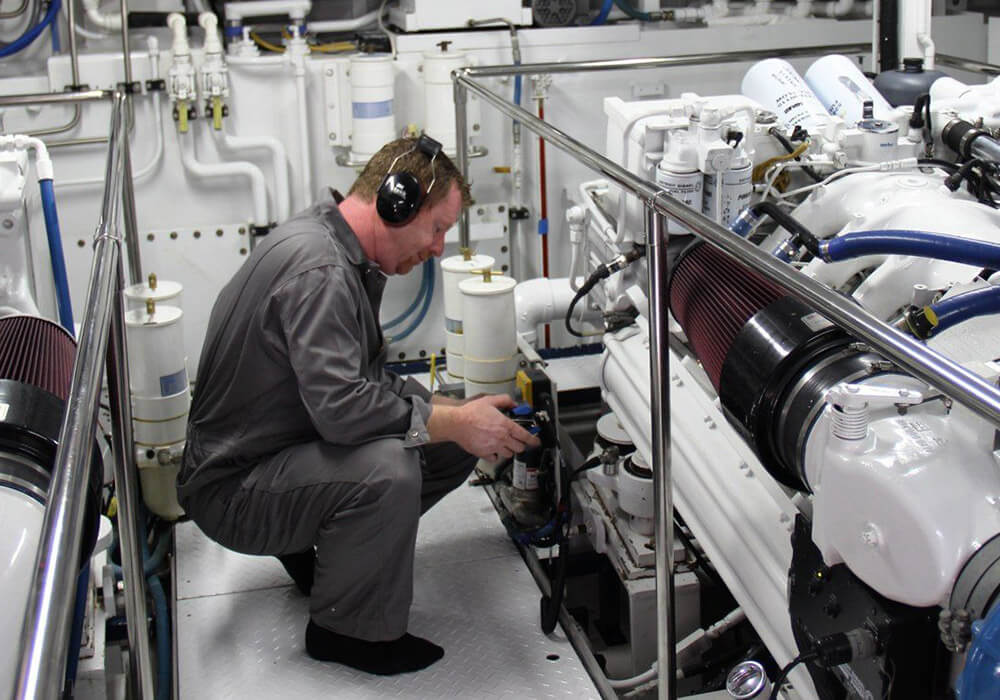
Choosing the right combination of tools depends on the types of assets in your facility, the criticality of each machine, and your maintenance objectives.
Key Tactics for Effective Condition Monitoring
Implementing a successful monitoring program requires more than just installing sensors. Consider these best practices:
- Baseline Measurements: Establish normal operating parameters for each asset. This reference point makes it easier to spot deviations that signal potential problems.
- Regular Data Collection: Schedule consistent intervals for capturing and reviewing sensor data. Automated systems can provide real-time alerts, while manual checks may be suitable for less critical assets.
- Trend Analysis: Look for gradual changes over time rather than isolated spikes. Trends often reveal developing issues that can be addressed before failure occurs.
- Integration with Maintenance Systems: Connect monitoring data to your Computerized Maintenance Management System (CMMS) or Enterprise Asset Management (EAM) platform for streamlined work order generation and record-keeping.
- Staff Training: Ensure maintenance teams understand how to interpret sensor readings and respond appropriately. Training is essential for maximizing the value of monitoring investments.
For a deeper dive into writing actionable findings from vibration analysis, refer to the vibration analysis report guide.
Best Practices for Long-Term Success
Building a sustainable monitoring program involves continuous improvement and adaptation. Here are some proven strategies:
- Start Small, Scale Up: Begin with a pilot project on your most critical assets. Use lessons learned to expand coverage across the facility.
- Leverage Predictive Analytics: Advanced platforms use machine learning to predict failures based on historical and real-time data, enabling truly proactive maintenance.
- Collaborate Across Departments: Involve operations, maintenance, and IT teams to ensure seamless data flow and shared ownership of outcomes.
- Review and Refine: Regularly assess the effectiveness of your monitoring strategy. Update thresholds, add new sensors, or adjust schedules as needed.
- Document Everything: Keep detailed records of sensor readings, maintenance actions, and asset histories. This documentation supports troubleshooting and continuous improvement.
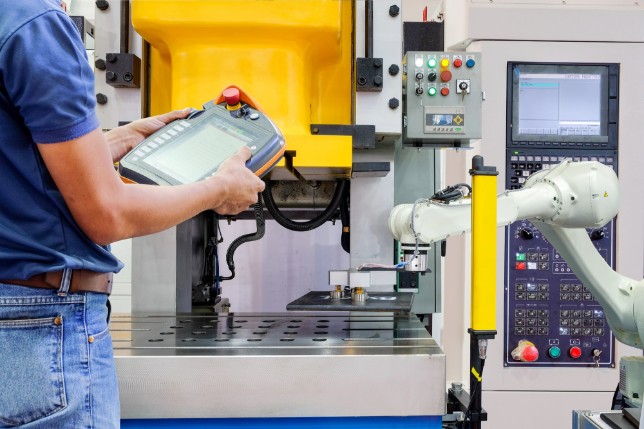
For organizations embarking on a digital journey, the article on digital transformation in industrial maintenance provides guidance on integrating new technologies into existing processes.
Common Challenges and How to Overcome Them
While the benefits of asset health tracking are clear, several obstacles can arise:
- Data Overload: Too much information can overwhelm teams. Focus on actionable insights and prioritize critical assets.
- Integration Issues: Legacy equipment may not support modern sensors. Retrofit kits and wireless solutions can bridge the gap.
- Change Management: Shifting from reactive to proactive maintenance requires cultural change. Leadership support and clear communication are essential.
- Cost Concerns: Upfront investment in sensors and software can be significant, but the long-term savings from reduced downtime and repairs often outweigh initial costs.
If your facility relies heavily on rotating machinery, understanding alignment issues in rotating machinery can further reduce the risk of unexpected failures.
Industry Trends and Future Directions
The field of monitoring industrial assets is evolving rapidly. Key trends include:
- Wireless and Cloud-Based Solutions: These technologies simplify installation and enable remote access to real-time data.
- Artificial Intelligence: Machine learning algorithms can detect subtle patterns and predict failures more accurately than traditional rule-based systems.
- Integration with Predictive Maintenance: Combining condition monitoring with predictive analytics enables smarter scheduling and resource allocation.
- Focus on Sustainability: Efficient maintenance reduces energy consumption and supports environmental goals.
For those interested in the fundamentals of vibration analysis as a predictive maintenance tool, this beginner’s guide to predictive maintenance provides a comprehensive overview.
FAQ
What is the main goal of monitoring machinery health in factories?
The primary objective is to detect early signs of equipment deterioration or malfunction, allowing maintenance teams to address issues before they lead to costly breakdowns or safety incidents. This proactive approach helps maximize uptime, reduce repair costs, and extend asset life.
Which types of equipment benefit most from condition monitoring?
Rotating machinery such as motors, pumps, compressors, and fans are particularly well-suited for ongoing health checks. However, any critical asset that impacts production or safety can benefit from regular monitoring, especially those with a history of unexpected failures.
How do I choose the right monitoring tools for my facility?
Start by assessing the criticality and failure modes of your assets. Consider factors such as operating environment, maintenance history, and available resources. Select tools that provide actionable insights, are compatible with your existing systems, and can scale as your needs evolve.