
Vibration analysis for printing machines is a critical maintenance strategy that helps production facilities reduce unexpected breakdowns, improve print quality, and extend equipment life. In the fast-paced world of commercial printing, even minor disruptions can lead to costly downtime and missed deadlines. By proactively monitoring and interpreting vibration data, maintenance teams can detect early signs of mechanical issues and take corrective action before failures occur.
This guide explores how vibration monitoring works in the context of printing presses, the main causes of excessive vibration, and practical steps to implement a predictive maintenance program. We’ll also discuss how to interpret vibration signals, the benefits of regular analysis, and how this approach fits into broader condition monitoring strategies. For a deeper dive into practical field techniques, see machine vibration data interpretation.
Why Vibration Monitoring Matters in Printing Facilities
Printing presses are complex machines with many moving parts—rollers, gears, motors, and bearings—all of which are subject to wear and misalignment. Over time, these components can develop faults that manifest as abnormal vibrations. Left unchecked, these vibrations can cause registration errors, uneven ink distribution, and even catastrophic equipment failure.
Routine vibration analysis for printing machines enables maintenance teams to:
- Detect early-stage faults such as bearing wear, gear damage, and misalignment
- Schedule repairs during planned downtime, reducing costly emergency stops
- Improve print consistency and reduce waste from defective output
- Extend the service life of critical machine components

Common Causes of Excessive Vibration in Printing Equipment
Understanding the root causes of vibration is essential for effective troubleshooting. The most frequent sources of vibration in printing presses include:
- Imbalance: Rotating parts such as rollers and cylinders may become unbalanced due to uneven wear or buildup of ink and paper dust.
- Misalignment: Shafts and couplings that are not properly aligned can generate significant vibration and accelerate component wear. For more on this topic, see our resource on alignment issues in rotating machinery.
- Bearing Defects: Worn or damaged bearings are a leading cause of vibration and noise in printing machines.
- Gear Wear: Damaged or poorly lubricated gears can produce irregular vibration patterns and reduce machine efficiency.
- Loose Components: Fasteners, mounts, or frames that are not securely tightened may vibrate during operation, leading to further mechanical issues.
Identifying these issues early through regular monitoring is key to minimising unplanned stoppages and maintaining high-quality output.
How Vibration Analysis Works for Printing Presses
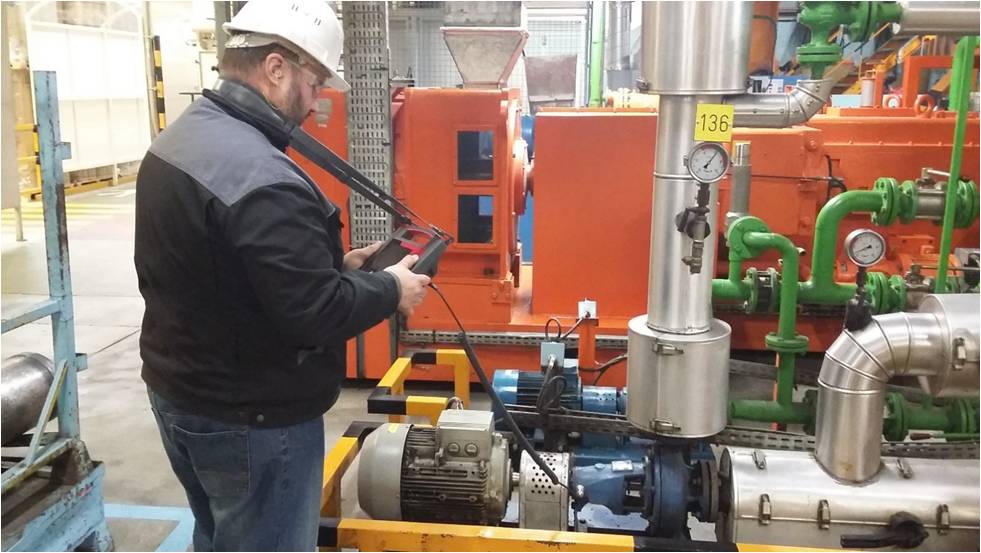
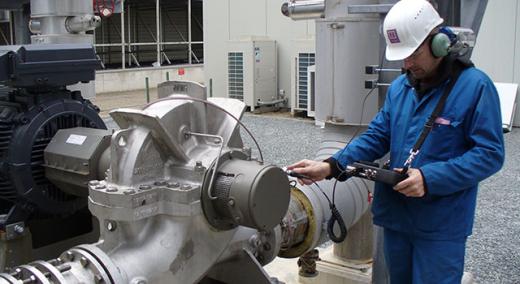
Vibration analysis for printing machines involves the use of sensors (typically accelerometers) attached to strategic points on the equipment. These sensors capture vibration signals, which are then analyzed to identify patterns and frequencies associated with specific faults.
The process typically includes:
- Baseline Measurement: Establishing normal vibration levels for each machine when operating under standard conditions.
- Routine Data Collection: Periodically recording vibration data during operation or scheduled inspections.
- Signal Analysis: Using software to break down the vibration signal into its frequency components, helping to pinpoint the source of abnormal activity.
- Fault Diagnosis: Comparing current data to baseline and known fault signatures to identify issues such as imbalance, misalignment, or bearing defects.
- Reporting and Action: Documenting findings and recommending corrective actions, such as part replacement or realignment. For tips on clear reporting, see the vibration analysis report guide.
Implementing a Predictive Maintenance Program
To gain the full benefits of vibration monitoring, printing facilities should integrate it into a broader predictive maintenance strategy. This involves:
- Training maintenance staff to use vibration sensors and interpret data
- Establishing a schedule for routine measurements and inspections
- Maintaining detailed records of vibration trends and corrective actions
- Coordinating with production teams to plan repairs during low-demand periods
- Leveraging digital tools for automated data collection and analysis
Predictive maintenance not only reduces unplanned downtime but also helps optimize spare parts inventory and maintenance budgets. For insights into how modern factories are adopting these strategies, explore how factories use condition monitoring.
Benefits of Regular Vibration Monitoring in Printing Operations
Routine vibration analysis for printing machines offers several tangible advantages:
- Reduced Downtime: Early detection of faults allows for scheduled repairs, minimizing unexpected stoppages.
- Improved Print Quality: Stable machine operation leads to consistent registration and ink application.
- Lower Maintenance Costs: Addressing minor issues before they escalate reduces the need for major repairs and part replacements.
- Longer Equipment Life: Preventing chronic vibration-related damage extends the usable lifespan of presses and components.
- Enhanced Safety: Identifying and correcting mechanical faults reduces the risk of accidents and injuries.
These benefits make vibration monitoring a valuable investment for any printing operation aiming to remain competitive and reliable.
Integrating Vibration Analysis with Digital Maintenance Solutions
The rise of digital transformation in industrial maintenance has made it easier to collect, store, and analyze vibration data. Wireless sensors, cloud-based analytics, and mobile apps allow maintenance teams to monitor equipment health in real time and respond quickly to emerging issues.
Adopting digital solutions streamlines the entire process—from data collection to reporting and decision-making. For those considering a move to digital tools, our article on digital transformation in industrial maintenance provides a helpful starting point.
Best Practices for Effective Vibration Monitoring
To maximize the value of vibration analysis in printing environments, consider these best practices:
- Use high-quality, calibrated sensors and ensure they are mounted securely at recommended locations
- Establish clear baseline vibration profiles for each machine and update them after major repairs or upgrades
- Analyze both overall vibration levels and specific frequency components to identify root causes
- Document all findings and corrective actions to build a knowledge base for future troubleshooting
- Collaborate with equipment manufacturers and service providers for advanced diagnostics and support
For further technical details and case studies, see this comprehensive overview of vibration analysis techniques.
FAQ: Vibration Monitoring in Printing Presses
What are the first signs of vibration problems in printing machines?
Early signs include unusual noise, increased heat near bearings or gears, visible shaking of machine parts, and a decline in print quality such as misregistration or uneven ink coverage. Regular monitoring helps detect these symptoms before they lead to breakdowns.
How often should vibration measurements be taken?
The ideal frequency depends on machine usage and criticality. For high-speed or heavily used presses, weekly or bi-weekly checks are recommended. Less critical equipment may be monitored monthly. Always establish a baseline and adjust intervals based on observed trends.
Can vibration analysis prevent all types of machine failures?
While vibration monitoring is highly effective for detecting mechanical issues like imbalance, misalignment, and bearing defects, it should be combined with other condition monitoring methods (such as temperature or oil analysis) for comprehensive coverage. No single technique can prevent every failure, but together they significantly reduce risk.