
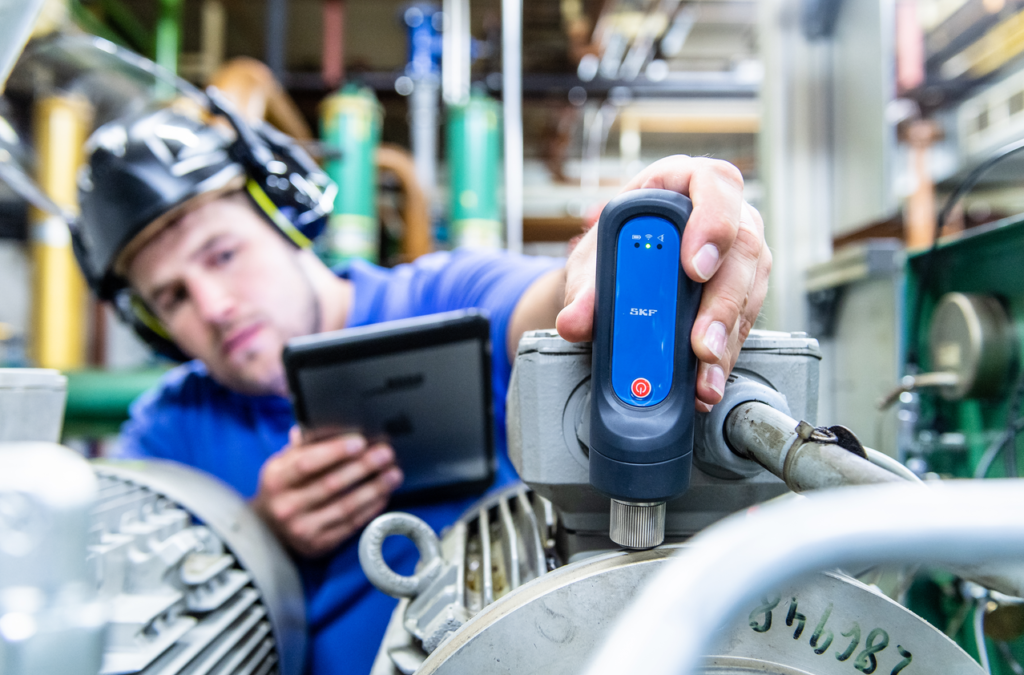
Unusual vibrations in industrial equipment can signal developing faults, inefficiencies, or even imminent failures. Addressing these issues early is essential for minimizing downtime, reducing repair costs, and ensuring safety. This guide provides a structured approach to industrial equipment vibration troubleshooting, breaking down the process into clear, actionable steps for maintenance teams, reliability engineers, and plant operators.
Whether you manage rotating machinery in a power plant or oversee textile production lines, understanding how to identify, analyze, and resolve vibration problems is a critical skill. For those working with specialized assets, you may also find value in resources like vibration analysis for power plants, which offers additional insights tailored to specific industries.
Why Vibration Issues Matter in Industrial Machinery
Vibration is a natural byproduct of most mechanical operations, but excessive or abnormal vibration can indicate underlying problems. These issues may include misalignment, imbalance, bearing defects, looseness, or structural weaknesses. Left unchecked, such problems can lead to unplanned outages, costly repairs, and safety hazards.
A systematic approach to vibration troubleshooting helps teams quickly pinpoint the root cause and implement effective solutions. This not only extends equipment life but also supports predictive maintenance strategies and overall operational efficiency.
Step 1: Initial Assessment and Symptom Gathering
The first step in resolving vibration problems is to gather as much information as possible about the symptoms. This includes:
- When the vibration started and whether it is constant or intermittent
- Changes in vibration intensity or frequency over time
- Any recent maintenance, repairs, or changes in operating conditions
- Audible noises, heat, or other unusual observations
Documenting these details provides valuable context for the troubleshooting process and helps narrow down potential causes.
Step 2: Visual Inspection and Basic Checks
Before diving into advanced diagnostics, perform a thorough visual inspection of the equipment. Look for:
- Loose bolts, fasteners, or mounts
- Signs of wear, cracks, or corrosion
- Oil leaks or lubrication issues
- Obvious misalignment or imbalance (e.g., wobbling shafts or pulleys)
Addressing these basic issues can sometimes resolve the problem without further intervention.

Step 3: Measuring and Analyzing Vibration Data
If the root cause is not immediately apparent, the next step is to collect and analyze vibration data. Use vibration meters or sensors to measure:
- Amplitude (severity) of vibration
- Frequency (cycles per second or Hz)
- Direction (axial, radial, or tangential)
Comparing current readings to baseline data or manufacturer specifications can help identify anomalies. For a deeper dive into interpreting this data, refer to resources on machine vibration data interpretation.
Common Causes Identified Through Vibration Analysis
- Imbalance: Typically produces vibration at 1x running speed.
- Misalignment: Often shows up as vibration at 1x and 2x running speed, sometimes with axial components.
- Bearing Defects: Characterized by high-frequency vibration and sometimes audible noise.
- Looseness: May result in irregular or broadband vibration patterns.
Advanced tools, such as spectrum analyzers, can further pinpoint the specific source by breaking down vibration frequencies.
Step 4: Isolating the Fault
Once you have vibration data, use a process of elimination to isolate the fault. Consider:
- Comparing vibration levels at different points on the machine
- Running the equipment at various speeds or loads
- Temporarily disconnecting components (e.g., belts, couplings) to see if vibration changes
This step-by-step approach helps confirm whether the issue is with a specific component (such as a motor, gearbox, or coupling) or the overall assembly.

Step 5: Corrective Actions and Verification
After identifying the likely cause, implement corrective measures such as:
- Balancing rotating parts
- Realigning shafts or couplings
- Replacing worn bearings or damaged components
- Tightening loose fasteners
- Improving lubrication practices
Once repairs are completed, re-measure vibration levels to confirm that the issue has been resolved. Document all actions taken for future reference and trend analysis.
Step 6: Preventive and Predictive Maintenance Strategies
Effective industrial equipment vibration troubleshooting is not just about fixing problems as they arise. Incorporating regular vibration monitoring into your maintenance plan can help catch issues before they escalate. Consider:
- Establishing baseline vibration profiles for all critical assets
- Scheduling periodic measurements and inspections
- Using condition monitoring systems for real-time alerts
- Training staff in data interpretation and troubleshooting techniques
For further insights into leveraging sensor technology and data-driven maintenance, explore guides on sensor based predictive maintenance and how factories use condition monitoring.
Best Practices for Reliable Vibration Analysis
To maximize the effectiveness of your troubleshooting efforts, follow these best practices:
- Use calibrated instruments and follow manufacturer guidelines
- Record data consistently and maintain clear documentation
- Compare findings with historical data and industry benchmarks
- Collaborate with experienced technicians or external specialists when needed
For a comprehensive overview of vibration analysis methods and case studies, see this in-depth guide to vibration analysis in industrial settings.
Frequently Asked Questions
What are the most common causes of excessive vibration in industrial machinery?
The most frequent sources include imbalance, misalignment, bearing defects, looseness, and resonance. Each of these issues can produce distinct vibration patterns, which can be identified through careful measurement and analysis.
How often should vibration monitoring be performed on critical equipment?
The frequency depends on equipment type, criticality, and operating conditions. For high-value or mission-critical assets, continuous monitoring or monthly checks are recommended. Less critical machinery may be monitored quarterly or semi-annually.
Can vibration analysis predict equipment failure before it happens?
Yes, regular vibration monitoring can detect early signs of wear or damage, allowing maintenance teams to address issues before they lead to unplanned downtime. Predictive maintenance programs often rely on vibration data to schedule repairs proactively.
Conclusion
A structured approach to industrial equipment vibration troubleshooting empowers maintenance teams to quickly identify and resolve mechanical issues, reducing downtime and extending equipment life. By combining visual inspections, data-driven analysis, and preventive strategies, organizations can ensure their machinery operates smoothly and efficiently. For industry-specific guidance, consider exploring resources on vibration analysis for textile machinery or other targeted guides.