
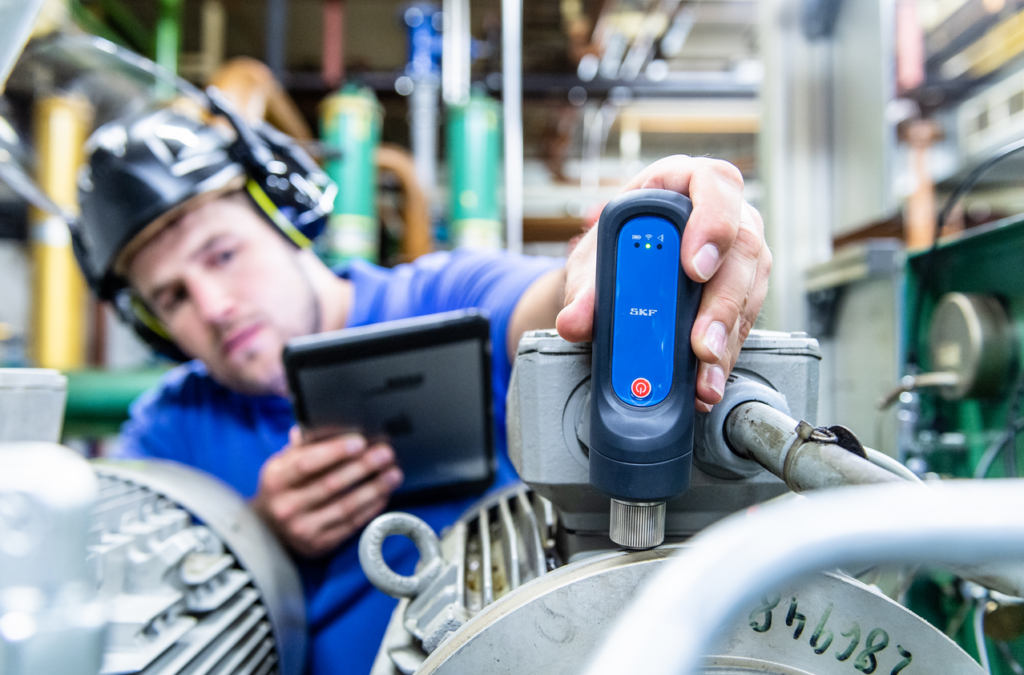
Sensor based predictive maintenance is transforming the way industries manage equipment reliability and operational efficiency. By leveraging real-time data from advanced sensors, manufacturers and plant operators can anticipate failures, reduce downtime, and optimize maintenance schedules. This approach moves beyond traditional reactive or scheduled maintenance, enabling smarter, data-driven decisions that protect assets and improve productivity.
As more sectors adopt digital transformation, the use of sensors for predictive analytics is becoming a standard best practice. Whether monitoring vibration in motors, temperature in bearings, or pressure in pipelines, the insights gained from sensor networks help organizations avoid costly breakdowns and extend the lifespan of critical machinery. For those in food processing, manufacturing, or heavy industry, integrating these technologies can be a game-changer.
Companies exploring ways to improve reliability may also benefit from learning about ways to reduce downtime in candy manufacturing, which shares strategies relevant across many industrial settings.
How Sensor Technology Powers Predictive Maintenance
At the heart of modern maintenance strategies are networks of sensors that collect continuous data on equipment condition. These devices monitor parameters such as vibration, temperature, humidity, pressure, and electrical currents. By analyzing this data, maintenance teams can detect early warning signs of wear, misalignment, or impending failure.

For example, vibration analysis is a widely used method in sensor based predictive maintenance. By tracking changes in vibration patterns, teams can identify issues like imbalance or bearing faults before they escalate. According to this overview of vibration analysis techniques, early detection through sensors can significantly reduce unplanned outages and maintenance costs.
Other types of sensors, such as thermal cameras or ultrasonic detectors, provide additional layers of insight. These technologies work together to create a comprehensive picture of asset health, enabling proactive interventions and smarter resource allocation.
Key Benefits of Data-Driven Maintenance Strategies
Implementing a sensor-driven approach to predictive maintenance offers several tangible advantages:
- Reduced Downtime: By catching problems early, organizations can schedule repairs during planned shutdowns, minimizing production interruptions.
- Lower Maintenance Costs: Targeted interventions prevent unnecessary part replacements and reduce labor expenses.
- Extended Equipment Life: Continuous monitoring helps maintain optimal operating conditions, slowing the rate of wear and tear.
- Improved Safety: Early detection of faults reduces the risk of catastrophic failures that could endanger personnel or damage facilities.
- Enhanced Decision-Making: Data analytics provide actionable insights, supporting better planning and asset management.
These benefits are especially valuable in industries where equipment reliability directly impacts profitability and safety. For example, food processing plants can use how to monitor steam quality in food sterilization to ensure both efficiency and compliance with health standards.
Common Applications Across Industries
Sensor based predictive maintenance is not limited to one sector. Its principles are applied in manufacturing, energy, transportation, food production, and more. Here are some typical use cases:
- Manufacturing: Monitoring motors, conveyors, and pumps for signs of mechanical or electrical failure.
- Food Processing: Ensuring consistent operation of mixers, ovens, and refrigeration units to maintain product quality.
- Energy: Tracking the condition of turbines, generators, and transformers in power plants.
- Transportation: Assessing the health of engines, brakes, and HVAC systems in vehicles and trains.
- Utilities: Overseeing water treatment pumps, valves, and filtration systems for uninterrupted service.

In each of these environments, the ability to predict failures before they occur leads to better resource utilization and higher operational resilience.
Integrating Predictive Maintenance Into Your Operations
Adopting a sensor-driven maintenance program involves several key steps:
- Asset Selection: Identify critical equipment where predictive monitoring will deliver the greatest value.
- Sensor Deployment: Install appropriate sensors to capture relevant data points, such as vibration, temperature, or pressure.
- Data Collection: Set up systems to aggregate and store sensor data, ensuring it is accessible for analysis.
- Analytics and Alerts: Use software tools to analyze trends, detect anomalies, and generate alerts for maintenance teams.
- Continuous Improvement: Regularly review outcomes and refine the program to maximize effectiveness and ROI.
For organizations looking to further enhance their predictive capabilities, exploring predictive tools for egg shell integrity or how to use predictive tools for poultry processing can provide industry-specific insights.
Challenges and Considerations in Implementation
While the advantages are clear, implementing sensor based predictive maintenance requires careful planning. Some common challenges include:
- Initial Investment: Upfront costs for sensors, data infrastructure, and analytics platforms can be significant.
- Data Management: Handling large volumes of sensor data demands robust IT systems and cybersecurity measures.
- Integration with Legacy Equipment: Older machines may need retrofitting or special adapters to support modern sensors.
- Change Management: Staff training and cultural shifts are essential to ensure successful adoption and ongoing use.
Despite these hurdles, the long-term savings and operational improvements often outweigh the initial effort. Careful project planning and phased rollouts can help organizations realize the benefits while minimizing disruption.
Best Practices for Maximizing Value
To get the most from a predictive maintenance initiative, consider these best practices:
- Start Small: Pilot the approach on a few critical assets before scaling up.
- Leverage Existing Data: Combine sensor data with historical maintenance records for deeper insights.
- Automate Where Possible: Use software to automate data analysis and alerting, reducing manual workload.
- Collaborate Across Teams: Involve maintenance, operations, and IT staff to ensure alignment and knowledge sharing.
- Review and Refine: Continuously monitor results and adjust strategies to address emerging challenges or opportunities.
For those in food and beverage, integrating machine vision as described in how to use machine vision for pizza topping distribution can further enhance quality control alongside predictive maintenance.
FAQ: Understanding Sensor-Driven Maintenance
What types of sensors are most commonly used for predictive maintenance?
The most widely used sensors include vibration sensors, temperature probes, pressure transducers, and current monitors. Each type provides unique insights into equipment condition, and they are often used in combination for comprehensive monitoring.
How does predictive maintenance differ from preventive maintenance?
Preventive maintenance relies on scheduled service intervals, regardless of actual equipment condition. Predictive maintenance, on the other hand, uses real-time sensor data to determine when maintenance is truly needed, reducing unnecessary work and preventing unexpected failures.
Can sensor-based monitoring be applied to older equipment?
Yes, many legacy machines can be retrofitted with wireless or wired sensors. While integration may require additional effort, the benefits of early fault detection and reduced downtime make it a worthwhile investment.