
Vibration monitoring for production lines has become a cornerstone of modern manufacturing reliability. By continuously tracking the mechanical health of equipment, manufacturers can detect early signs of wear, misalignment, or imbalance—often before these issues escalate into costly breakdowns or unplanned downtime. As production lines become more automated and complex, the need for effective monitoring solutions is greater than ever.
This guide explores how vibration analysis works, why it matters for industrial operations, and the practical steps to implement a robust monitoring system. Whether you manage a high-speed assembly line or oversee maintenance in a process plant, understanding these principles can help you boost uptime, reduce maintenance costs, and extend equipment life.
For those interested in related applications, you may also want to learn about vibration analysis for power plants, which shares many foundational concepts with production line monitoring.
Why Vibration Analysis Matters in Manufacturing
Production lines rely on a wide range of rotating and reciprocating machinery—motors, pumps, conveyors, gearboxes, and more. Over time, these assets are subject to stresses that can cause components to loosen, bearings to degrade, or shafts to become misaligned. Even minor changes in vibration patterns can signal the onset of mechanical problems.
By implementing vibration monitoring for production lines, manufacturers gain several advantages:
- Early Fault Detection: Identify problems before they lead to failures.
- Reduced Downtime: Plan maintenance proactively, minimizing unexpected stops.
- Lower Maintenance Costs: Address issues when they are small, avoiding expensive repairs.
- Improved Product Quality: Stable machinery produces more consistent results.
- Extended Equipment Life: Prevent excessive wear and premature replacement.

How Vibration Monitoring Works on Production Lines
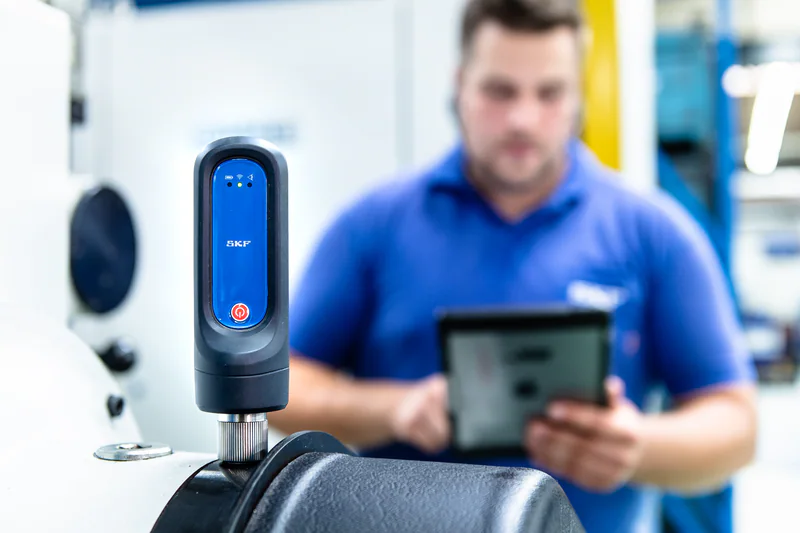
At its core, vibration analysis involves measuring the oscillations of a machine or component. Sensors—typically accelerometers—are mounted on critical assets to capture vibration signals. These signals are then analyzed for patterns that indicate normal operation or potential faults.
Key steps in the process include:
- Sensor Placement: Install sensors on bearings, housings, or other strategic points.
- Data Collection: Gather vibration data continuously or at scheduled intervals.
- Signal Processing: Use software to filter and interpret raw data, extracting meaningful features.
- Fault Diagnosis: Compare current vibration signatures to baseline values or known fault patterns.
- Actionable Insights: Generate alerts or maintenance recommendations based on analysis.
For a deeper technical dive, see this comprehensive explanation of how vibration analysis works.
Key Components of a Vibration Monitoring System
A typical monitoring setup for production lines includes several core elements:
- Sensors: Accelerometers, velocity sensors, or displacement probes, chosen based on the application.
- Data Acquisition Hardware: Devices that digitize and transmit sensor data to a central system.
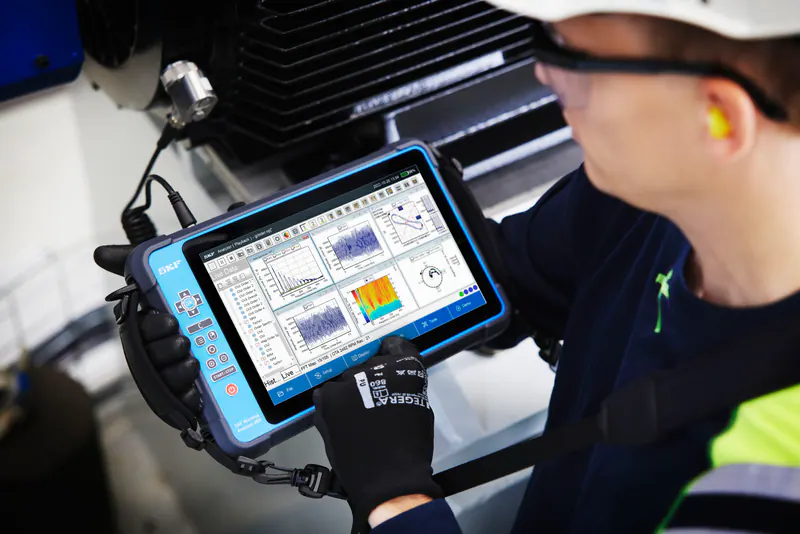
- Analysis Software: Tools for trending, spectral analysis, and fault detection.
- Connectivity: Wired or wireless networks to enable real-time monitoring and alerts.
- Dashboards and Reporting: User interfaces for maintenance teams to review asset health and plan interventions.
Choosing the Right Monitoring Approach
There are several strategies for integrating vibration analysis into production environments. The best approach depends on the criticality of assets, available resources, and production goals.
- Route-Based Monitoring: Technicians collect data manually at regular intervals using portable devices. This is cost-effective for smaller operations or non-critical assets.
- Online Continuous Monitoring: Sensors stream data in real time to a central system. Ideal for high-value or hard-to-access equipment where early warning is essential.
- Wireless Sensor Networks: Battery-powered sensors transmit data wirelessly, reducing installation complexity and enabling scalable coverage.
Some organizations also combine vibration analysis with other predictive maintenance tools, such as temperature or oil analysis, to gain a more comprehensive view of machine health. For more on this holistic approach, explore sensor based predictive maintenance strategies.
Best Practices for Implementing Vibration Monitoring in Production
To maximize the value of your monitoring program, consider these practical tips:
- Start with Critical Assets: Focus on machines whose failure would cause the most disruption or cost.
- Establish Baselines: Record vibration signatures of healthy equipment to enable accurate comparisons over time.
- Train Your Team: Ensure maintenance staff understand how to interpret vibration data and respond to alerts.
- Integrate with Maintenance Planning: Use insights from analysis to schedule repairs and optimize spare parts inventory.
- Review and Refine: Regularly assess the effectiveness of your monitoring strategy and adjust as needed.
For those working with specialized machinery, such as looms or textile equipment, see how vibration analysis for textile machinery can be adapted to unique operational needs.
Common Challenges and Solutions
While the benefits of vibration monitoring are clear, some challenges can arise during implementation:
- Data Overload: Large volumes of data can overwhelm teams. Use automated analysis and smart alerts to focus on actionable issues.
- Sensor Placement: Incorrect sensor locations may miss critical faults. Follow manufacturer guidelines and consult with experts for optimal placement.
- Integration with Legacy Systems: Older equipment may lack connectivity. Retrofit solutions or hybrid monitoring approaches can bridge the gap.
- Change Management: Gaining buy-in from staff is essential. Highlight early wins and provide ongoing training to build confidence in the system.
For more on interpreting complex data, the machine vibration data interpretation guide offers practical field tips.
FAQ: Vibration Monitoring in Industrial Settings
What types of faults can vibration analysis detect on production lines?
Vibration analysis can identify a range of mechanical issues, including bearing wear, shaft misalignment, imbalance, looseness, gear defects, and resonance. Early detection of these problems helps prevent unexpected breakdowns and extends the lifespan of machinery.
How often should vibration data be collected?
The frequency depends on the criticality of the asset and the monitoring method. For high-value or mission-critical equipment, continuous online monitoring is recommended. For less critical assets, monthly or quarterly manual data collection may be sufficient.
Is vibration monitoring suitable for all types of production equipment?
Most rotating and reciprocating machinery can benefit from vibration monitoring. However, the approach may need to be tailored for certain assets, such as slow-speed machines or those with unique operating conditions. Consulting with a vibration analysis specialist can help determine the best solution for your specific needs.
Conclusion
Adopting vibration monitoring for production lines is a practical step toward more reliable, efficient, and cost-effective manufacturing. By leveraging modern sensors, analysis software, and best practices, maintenance teams can move from reactive repairs to proactive asset management. The result is fewer surprises, lower costs, and a stronger foundation for continuous improvement in industrial operations.
For further reading on how condition monitoring supports factory reliability, visit the article on how factories use condition monitoring.