

Proper maintenance of industrial equipment hinges on understanding the intricate relationship between bearing lubrication and vibration analysis. Bearings are essential for smooth operation in rotating machinery, and their health directly impacts equipment reliability, efficiency, and lifespan. Lubrication reduces friction and wear, while vibration monitoring helps detect early signs of failure. When these two practices are aligned, organizations can prevent costly downtime and extend asset life.
For those managing complex assets, integrating lubrication management with advanced vibration monitoring is not just a best practice—it’s a necessity. This article explores how these disciplines intersect, why their synergy matters, and practical steps for optimizing both. For a deeper dive into real-world applications, see our resource on vibration analysis for power plants.
Why Lubrication Matters for Bearing Performance
Lubrication is fundamental to bearing health. It forms a protective film between moving parts, minimizing metal-to-metal contact, dissipating heat, and preventing corrosion. Without adequate lubrication, bearings are prone to premature wear, overheating, and eventual failure. The choice of lubricant—whether oil, grease, or specialty fluids—depends on operating conditions, load, speed, and environmental factors.
Key benefits of proper lubrication include:
- Reduced friction and energy consumption
- Lower operating temperatures
- Protection against contaminants and moisture
- Extended bearing service life
However, both under-lubrication and over-lubrication can be detrimental. Too little lubricant increases wear, while too much can cause overheating and leakage. Regular monitoring and precise application are essential for optimal results.
How Vibration Monitoring Detects Lubrication Issues
Vibration analysis is a powerful diagnostic tool for identifying bearing problems, including those related to lubrication. When lubrication is insufficient or contaminated, friction increases, leading to abnormal vibration patterns. These changes can be detected long before catastrophic failure occurs.
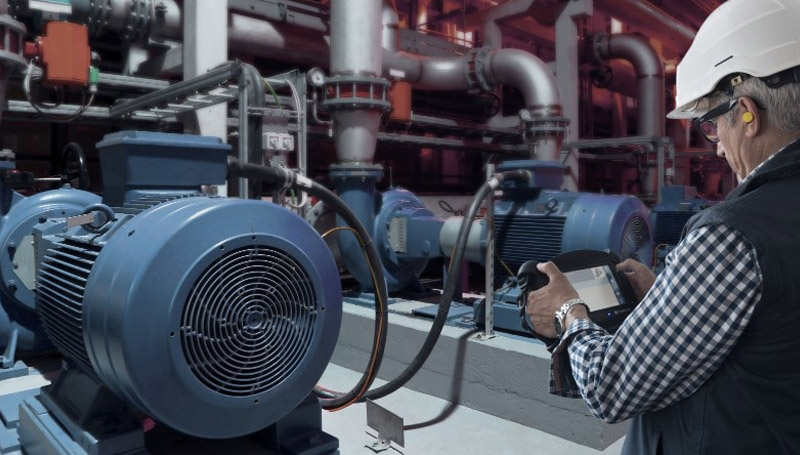
Common vibration signatures associated with lubrication issues include:
- High-frequency noise indicating metal-to-metal contact
- Increased amplitude at specific frequencies related to bearing components
- Random or broadband vibration spikes from debris or contamination
Technicians use vibration data to pinpoint the root cause of anomalies. For example, a sudden rise in high-frequency vibration may signal lubricant starvation, while a gradual increase could indicate contamination or degradation. By acting on these insights, maintenance teams can schedule timely interventions and avoid unplanned outages.
Integrating Lubrication and Vibration Strategies
Combining lubrication management with vibration analysis creates a proactive maintenance approach. This integration enables teams to:
- Correlate vibration trends with lubrication schedules and practices
- Identify the optimal lubrication interval based on real equipment condition
- Detect early signs of lubricant breakdown or contamination
- Reduce unnecessary lubrication, saving costs and minimizing environmental impact
For instance, if vibration analysis reveals increasing bearing noise shortly after lubrication, it may indicate over-application or the use of an incompatible lubricant. Conversely, if vibration levels drop after lubrication, it confirms the effectiveness of the intervention. This feedback loop allows for continuous improvement of maintenance routines.
Best Practices for Effective Monitoring
To maximize the benefits of combining these disciplines, consider the following best practices:
- Use high-quality lubricants suited to your equipment and environment
- Implement automated lubrication systems where feasible for consistent delivery
- Schedule regular vibration measurements and trend analysis
- Train staff to interpret vibration data and recognize lubrication-related patterns
- Document all maintenance actions and correlate them with vibration trends
Organizations that follow these steps often see a significant reduction in bearing failures and maintenance costs.
Common Causes of Lubrication-Related Vibration
Several factors can lead to vibration issues linked to lubrication:
- Incorrect lubricant selection: Using the wrong type or viscosity can compromise film strength.
- Contamination: Dirt, water, or other particles degrade lubricant performance and increase wear.
- Improper application: Over- or under-lubrication disrupts the protective layer and alters vibration patterns.
- Degradation: Oxidation, thermal breakdown, or additive depletion reduce lubricant effectiveness over time.
Addressing these root causes requires a combination of regular inspections, oil analysis, and vibration monitoring. For practical guidance on interpreting machine data, see our machine vibration data interpretation guide.
Technological Advances in Predictive Maintenance
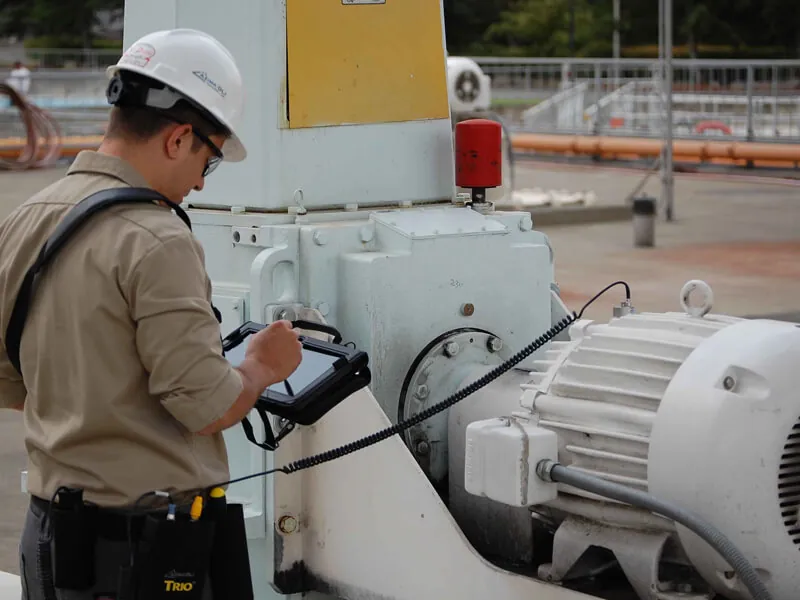
Recent advances in sensor technology and data analytics have transformed how industries approach bearing health. Wireless vibration sensors, cloud-based monitoring platforms, and AI-driven diagnostics now enable real-time tracking of both lubrication and vibration parameters. These tools help maintenance teams:
- Receive instant alerts for abnormal vibration or lubrication conditions
- Analyze historical data to predict future failures
- Optimize maintenance schedules based on actual equipment needs
For a broader perspective on leveraging sensors for smarter maintenance, explore our article on sensor based predictive maintenance.
Industry Applications and Case Studies
The integration of lubrication and vibration monitoring is widely adopted across sectors such as power generation, manufacturing, and textiles. In power plants, for example, critical assets like turbines and generators rely on precise lubrication and continuous vibration tracking to avoid catastrophic failures. Textile mills use similar strategies to keep looms and spinning machines running efficiently. For more on sector-specific practices, refer to our insights on vibration analysis for textile machinery.
Case studies consistently show that organizations embracing these combined strategies achieve:
- Longer asset life and reduced replacement costs
- Lower unplanned downtime
- Improved safety and operational efficiency
These results underscore the value of a holistic approach to asset maintenance.
Expert Resources and Further Reading
For those seeking to deepen their expertise, several resources offer practical advice and technical insights. One recommended source is this comprehensive overview of vibration analysis techniques, which covers the fundamentals and advanced applications relevant to bearing health.
Additionally, learning how factories use condition monitoring to stay ahead of failures can provide valuable context for implementing these strategies. See our article on how factories use condition monitoring for more details.
Frequently Asked Questions
How does improper lubrication affect bearing vibration?
Improper lubrication, whether too little or too much, disrupts the protective film between bearing surfaces. This leads to increased friction, heat, and wear, all of which manifest as abnormal vibration patterns. Early detection through vibration monitoring allows for corrective action before significant damage occurs.
What are the most common signs of lubrication-related bearing failure?
Typical indicators include rising high-frequency vibration, increased noise, temperature spikes, and the presence of metallic particles in lubricant samples. Regular analysis helps distinguish between lubrication issues and other mechanical faults.
Can vibration analysis determine the right time to relubricate bearings?
Yes, by tracking changes in vibration signatures over time, maintenance teams can identify when lubrication is breaking down or becoming contaminated. This data-driven approach enables optimized lubrication intervals, reducing both over- and under-lubrication risks.