
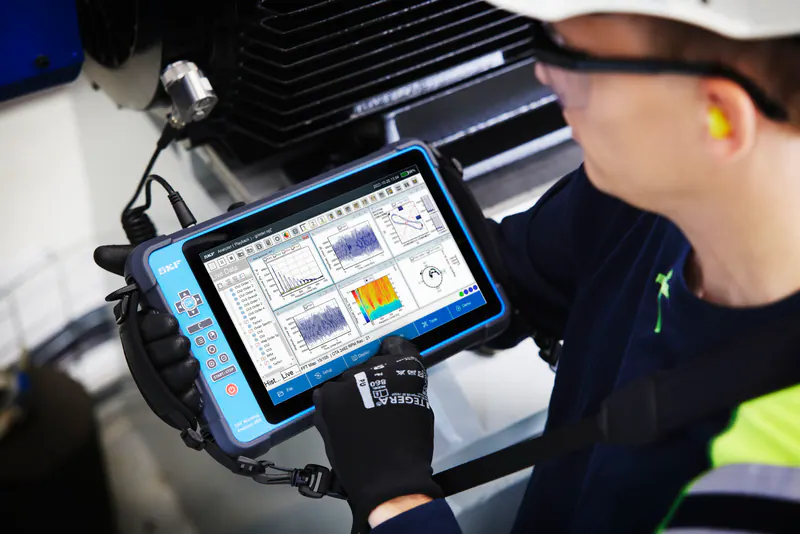
AI fault detection in manufacturing is transforming how factories monitor equipment, predict failures, and maintain consistent production quality. By leveraging advanced algorithms and real-time data, manufacturers can now identify issues before they escalate, reducing downtime and saving costs. This article explores practical uses of artificial intelligence for detecting faults, the technologies involved, and how industry leaders are applying these solutions to gain a competitive edge.
Modern manufacturing environments are increasingly complex, with interconnected machines, sensors, and control systems. Traditional fault detection methods often rely on scheduled inspections or manual checks, which can miss subtle warning signs. AI-powered systems, on the other hand, continuously analyze data streams from equipment, enabling earlier and more accurate identification of anomalies. This proactive approach helps manufacturers avoid unexpected breakdowns and optimize maintenance schedules.
For those interested in how these concepts apply to critical infrastructure, the article on vibration analysis for power plants provides a deeper look at monitoring essential assets using similar AI-driven techniques.
How AI-Powered Fault Detection Works in Industrial Settings
The core of AI-based fault detection lies in its ability to process large volumes of sensor data and recognize patterns that indicate abnormal behavior. Machine learning models are trained on historical equipment data, learning what normal operation looks like and flagging deviations that may signal developing faults. These systems can handle diverse data types, including vibration, temperature, pressure, and acoustic signals.
A typical implementation involves the following steps:
- Continuous data collection from sensors installed on machinery
- Data preprocessing to remove noise and normalize readings
- Feature extraction to highlight relevant characteristics (e.g., frequency changes, amplitude spikes)
- Model inference, where AI algorithms analyze features and classify equipment status
- Alert generation if a potential fault or anomaly is detected
This approach enables manufacturers to move from reactive maintenance to a predictive strategy, reducing unplanned downtime and extending asset life.
Key Benefits of AI-Driven Fault Detection in Manufacturing
Integrating artificial intelligence into fault detection processes offers several advantages over traditional methods:
- Early detection of equipment issues: AI systems can spot subtle changes in machine behavior that may be missed by human operators or basic monitoring tools.
- Reduced maintenance costs: By identifying faults before they cause major failures, manufacturers can schedule targeted repairs and avoid costly emergency interventions.
- Improved safety: Detecting faults early helps prevent hazardous situations, protecting workers and minimizing environmental risks.
- Enhanced production efficiency: Minimizing unplanned downtime keeps production lines running smoothly and improves overall equipment effectiveness (OEE).
- Data-driven decision making: AI-powered insights support smarter maintenance planning and resource allocation.
These benefits are driving widespread adoption of AI-based solutions across automotive, aerospace, electronics, and other manufacturing sectors.
Real-World Examples of AI Fault Detection Applications
Manufacturers are already seeing tangible results from deploying AI for fault detection in various scenarios. Here are some notable examples:
Predictive Maintenance for Rotating Machinery
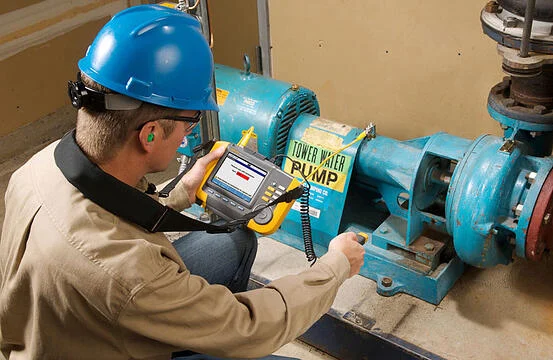
Rotating equipment such as motors, pumps, and compressors are prone to wear and tear. AI models trained on vibration and acoustic data can detect early signs of bearing failure, misalignment, or imbalance. This allows maintenance teams to intervene before a breakdown occurs, reducing repair costs and avoiding production delays.
For a practical field guide on interpreting vibration signals, see machine vibration data interpretation, which covers real-world case studies and actionable tips.
Quality Control in Assembly Lines
AI-powered vision systems are increasingly used to inspect products for defects during assembly. These systems can identify surface flaws, dimensional inaccuracies, or missing components in real time, ensuring only high-quality products reach customers. By automating inspection, manufacturers improve consistency and reduce the risk of recalls.
Monitoring Critical Assets in Power Generation
In power plants, continuous monitoring of turbines and generators is essential for reliability. AI-based solutions analyze sensor data to detect anomalies such as excessive vibration or temperature spikes, enabling timely maintenance and preventing costly outages. The article on vibration analysis for power plants explores these applications in detail.
Technologies Enabling AI Fault Detection Solutions
Several technologies work together to make AI-based fault detection practical and scalable in manufacturing:
- Industrial IoT sensors: These devices collect real-time data from machines, providing the raw input for AI analysis.
- Edge computing: Processing data close to the source reduces latency and enables faster fault detection, even in remote or bandwidth-limited environments.
- Cloud platforms: Centralized storage and processing allow for large-scale model training and remote monitoring across multiple sites.
- Machine learning frameworks: Tools like TensorFlow, PyTorch, and specialized industrial AI platforms support the development and deployment of custom models.
By integrating these technologies, manufacturers can build robust, scalable solutions for monitoring assets and detecting faults in real time.
Challenges and Considerations for Implementation
While the benefits of AI-based fault detection are clear, there are important challenges to address:
- Data quality and availability: Reliable fault detection depends on high-quality, labeled data. Incomplete or noisy datasets can reduce model accuracy.
- Integration with legacy systems: Many factories operate older equipment that may not be compatible with modern sensors or data collection methods.
- Change management: Adopting AI solutions requires training staff, updating maintenance procedures, and building trust in automated recommendations.
- Cybersecurity: Increased connectivity introduces new risks, making robust security measures essential to protect sensitive operational data.
Addressing these challenges involves close collaboration between IT, operations, and maintenance teams, as well as selecting technology partners with proven experience in industrial AI deployments.
Integrating AI Fault Detection with Predictive Maintenance Strategies
Combining AI-powered fault detection with predictive maintenance creates a powerful approach to asset management. By continuously monitoring equipment health, manufacturers can schedule interventions based on actual condition rather than fixed intervals. This reduces unnecessary maintenance, extends equipment life, and improves resource utilization.
For more on how sensor data drives smart maintenance, explore sensor based predictive maintenance to see how data-driven insights support proactive decision-making.
Additionally, understanding the broader context of condition monitoring can help manufacturers stay ahead of failures. The article on how factories use condition monitoring discusses strategies for integrating monitoring technologies into daily operations.
Best Practices for Deploying AI-Based Fault Detection
To maximize the value of AI-driven solutions in manufacturing, consider these best practices:
- Start with a pilot project on a critical asset or production line to demonstrate value and refine the approach.
- Invest in high-quality sensors and reliable data infrastructure to ensure accurate monitoring.
- Collaborate with domain experts to label data and interpret model outputs effectively.
- Continuously retrain and update AI models as new data becomes available and equipment conditions change.
- Integrate AI insights with existing maintenance management systems for seamless workflow integration.
By following these steps, manufacturers can accelerate adoption and realize the benefits of reduced downtime, improved quality, and lower maintenance costs.
Further Reading and Resources
For a deeper dive into the technical aspects of vibration analysis and its role in fault detection, the comprehensive guide to vibration analysis in industry provides valuable background and practical examples.
Those working in specialized sectors, such as textiles, can benefit from targeted resources like vibration analysis for textile machinery, which discusses unique challenges and solutions for keeping looms and other equipment running smoothly.
FAQ
What types of faults can AI detect in manufacturing environments?
AI systems can identify a wide range of issues, including bearing wear, misalignment, imbalance, overheating, electrical faults, and product defects. By analyzing sensor data such as vibration, temperature, and acoustic signals, these solutions provide early warnings for both mechanical and process-related problems.
How does AI-based fault detection differ from traditional monitoring methods?
Traditional monitoring often relies on periodic inspections or threshold-based alarms, which can miss subtle or emerging issues. AI-powered approaches continuously analyze data, learn normal equipment behavior, and detect deviations in real time, resulting in earlier and more accurate fault identification.
Is it difficult to integrate AI fault detection with existing manufacturing systems?
Integration can present challenges, especially with legacy equipment or fragmented data sources. However, many modern AI solutions are designed to work alongside existing control and monitoring systems. Careful planning, investment in compatible sensors, and collaboration between IT and operations teams can help ensure a smooth rollout.