

Unexpected or persistent vibration in industrial equipment is a leading indicator of mechanical problems, safety risks, and costly downtime. Understanding the causes of excessive machine vibration is essential for anyone responsible for maintaining reliable operations, from plant engineers to maintenance managers. By identifying the root sources and applying targeted solutions, facilities can improve equipment lifespan, reduce unplanned outages, and optimize productivity.
This article explores the most common factors behind abnormal vibration in machinery, practical steps for troubleshooting, and proven methods to address and prevent these issues. Whether you manage rotating assets in a power plant or oversee textile machinery, a proactive approach to vibration management is key to operational excellence.
For those interested in industry-specific insights, our resource on vibration analysis for power plants offers a deeper look at monitoring critical assets and minimizing vibration-related failures.
Understanding the Main Triggers of High Vibration in Machinery
Excessive movement in machines rarely happens without a cause. The most frequent contributors can be grouped into several categories, each with its own diagnostic approach and remedy. Recognizing these categories helps maintenance teams prioritize inspections and corrective actions.
Imbalance: A Leading Source of Unwanted Oscillation
One of the most common causes of excessive machine vibration is imbalance in rotating components. When the mass distribution around a shaft is uneven, centrifugal forces increase as speed rises, leading to pronounced vibration. This can result from:
- Wear or loss of material from fan blades, rotors, or impellers
- Improper assembly or repairs
- Accumulation of dirt, grease, or process material on rotating parts
To resolve imbalance, precision balancing is required. This involves measuring vibration amplitude and phase, then adding or removing weight to restore even mass distribution. Regular cleaning and inspection can prevent buildup that leads to imbalance.

Misalignment: Shaft and Coupling Issues
Another frequent culprit is misalignment between connected shafts or couplings. Even small angular or parallel misalignments can generate significant vibration, especially as speed increases. Common causes include:
- Improper installation or alignment during commissioning
- Thermal expansion causing shifts in alignment during operation
- Wear or settling of machine foundations
Laser alignment tools or dial indicators are typically used to diagnose and correct misalignment. Ensuring proper installation and periodically checking alignment can prevent recurring issues.
Bearing Defects and Lubrication Problems
Bearings are critical to smooth machine operation. When they develop faults—such as spalling, pitting, or lubrication failure—vibration levels rise sharply. Early signs include:
- Unusual noise or heat at bearing housings
- Increased vibration at specific frequencies (often multiples of shaft speed)
- Visible signs of lubricant contamination or depletion
Addressing bearing-related vibration involves regular inspection, timely lubrication, and prompt replacement of worn components. Using the correct lubricant and maintaining clean conditions are essential preventive measures.
Other Significant Factors Behind Abnormal Vibration
While imbalance, misalignment, and bearing issues are the most common, several other factors can contribute to excessive vibration in machines:
Structural Resonance and Looseness
Every machine and its supporting structure have natural frequencies. If operational speeds approach these frequencies, resonance can amplify vibration dramatically. Similarly, loose bolts, mounts, or foundation cracks can allow components to move excessively, further increasing oscillations.
Solutions include:
- Stiffening or reinforcing structures to shift natural frequencies
- Ensuring all fasteners and mounts are secure
- Using vibration isolators or dampers where appropriate
Electrical and Mechanical Faults
Electrical issues in motors—such as unbalanced phases or faulty windings—can also cause vibration. Mechanical faults like bent shafts, damaged gears, or worn belts may introduce irregular forces and movement.
Routine condition monitoring and predictive maintenance can help detect these problems early. For more on interpreting vibration signals, see our guide on machine vibration data interpretation.
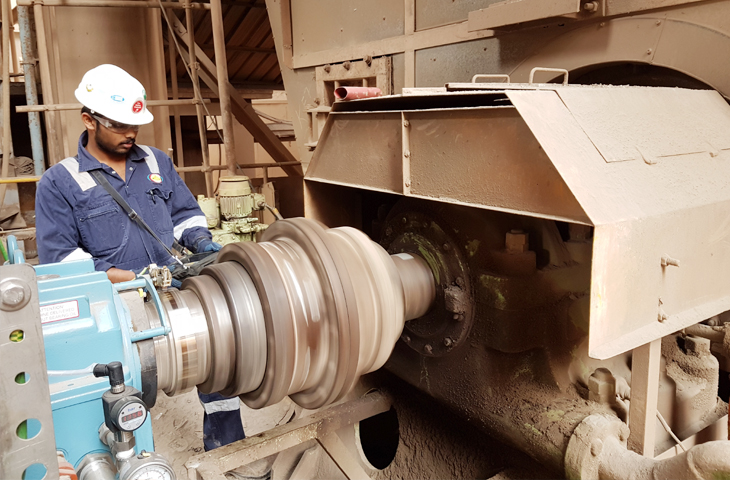
Diagnosing and Addressing High Vibration in Industrial Equipment
Effective troubleshooting starts with accurate measurement and analysis. Vibration monitoring tools, such as accelerometers and portable analyzers, help pinpoint the source and severity of the problem. Key steps include:
- Baseline Measurement: Record normal vibration signatures for each asset to detect deviations early.
- Frequency Analysis: Identify dominant frequencies to distinguish between imbalance, misalignment, bearing faults, or other issues.
- Physical Inspection: Check for visible signs of wear, looseness, or damage.
- Targeted Repairs: Apply corrective actions such as balancing, alignment, tightening, or part replacement based on findings.
Incorporating regular vibration analysis into your maintenance program is one of the most effective ways to prevent unplanned downtime. For a comprehensive overview of the technology and its applications, refer to this detailed explanation of vibration analysis methods.
Preventive Strategies for Reducing Machine Vibration
While resolving current issues is important, preventing future vibration problems delivers long-term value. Consider these best practices:
- Implement a predictive maintenance program using sensors and real-time monitoring
- Train staff on correct installation, alignment, and balancing procedures
- Schedule regular inspections and lubrication intervals
- Maintain clean environments to reduce contamination and buildup
- Upgrade to higher-quality components or vibration-damping mounts where feasible
Modern facilities are increasingly turning to industrial IoT maintenance applications to automate data collection and analysis, enabling faster response to emerging vibration trends.
FAQ: Common Questions About Machine Vibration Issues
What are the first signs that a machine is experiencing excessive vibration?
Early indicators include unusual noise, increased heat, visible shaking, and abnormal readings from vibration sensors. Regular monitoring helps detect these changes before they lead to major failures.
How often should vibration analysis be performed on critical assets?
The frequency depends on asset criticality and operating conditions. For essential equipment, monthly or even continuous monitoring is recommended. Less critical assets may require quarterly checks.
Can excessive vibration cause permanent damage to machinery?
Yes, persistent vibration accelerates wear on bearings, seals, couplings, and other components. Over time, this can lead to catastrophic failure, safety hazards, and costly repairs. Addressing vibration promptly is vital to asset health.
For more practical advice on interpreting vibration data and troubleshooting, explore our sensor based predictive maintenance resources and field guides.