
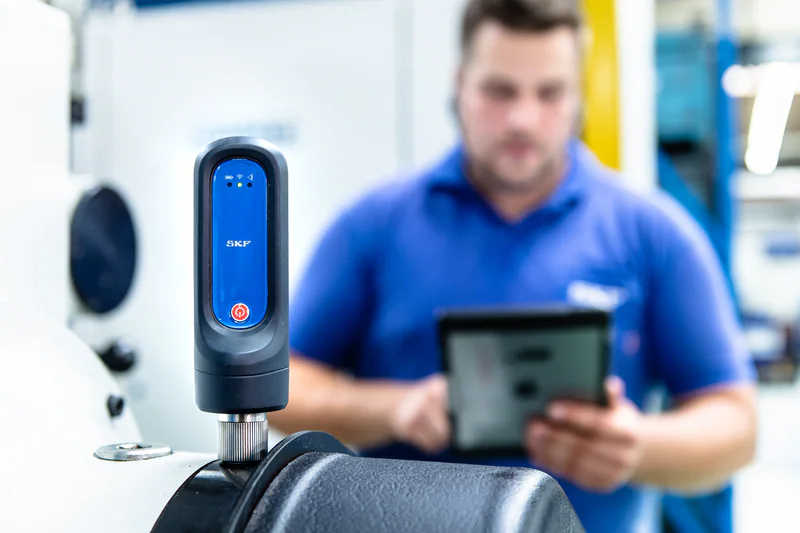
Machine diagnostics using vibration data has become a cornerstone of modern industrial maintenance and reliability programs. By analyzing the subtle vibrations produced by rotating equipment, engineers and technicians can detect early signs of mechanical issues, reduce unplanned downtime, and extend the lifespan of critical assets. This approach is especially valuable in industries where equipment failure can lead to significant production losses, safety risks, or costly repairs.
Understanding how vibration signals reveal the health of machines is essential for maintenance teams aiming to implement predictive strategies. In this article, we’ll explore the fundamentals of vibration-based diagnostics, key techniques, benefits, and best practices for effective implementation.
For those interested in sector-specific applications, such as vibration analysis for power plants, leveraging vibration monitoring can be particularly effective for monitoring critical assets and ensuring operational reliability.
Understanding Vibration-Based Machine Diagnostics
Vibration analysis is the process of measuring and interpreting the oscillations of mechanical equipment. Every machine, from motors and pumps to turbines and gearboxes, generates a unique vibration signature during operation. Changes in these patterns often indicate developing faults such as imbalance, misalignment, bearing wear, or looseness.
Machine diagnostics using vibration data involves capturing these signals using sensors (typically accelerometers), then analyzing the data to identify anomalies and diagnose root causes. This method is non-invasive, allowing for continuous monitoring without interrupting production.
Key Techniques in Vibration Data Analysis
Several analytical methods are commonly used to extract actionable insights from vibration measurements. The most widely adopted techniques include:
- Time-domain analysis: Examines raw vibration signals over time to detect sudden spikes or irregularities.
- Frequency-domain analysis: Uses Fast Fourier Transform (FFT) to convert time-based data into frequency spectra, making it easier to pinpoint specific fault frequencies.
- Envelope analysis: Particularly useful for identifying bearing defects by isolating high-frequency impacts masked by other signals.
- Order analysis: Applied to variable-speed machines, this technique correlates vibration frequencies with rotational speed to reveal speed-dependent issues.

For a deeper dive into how these techniques work in practice, you can explore this comprehensive explanation of vibration analysis methods.
Benefits of Using Vibration Data for Equipment Health Monitoring
Integrating vibration diagnostics into maintenance strategies offers several significant advantages:
- Early fault detection: Identifies problems before they escalate, allowing for planned interventions and minimizing emergency repairs.
- Reduced downtime: Enables predictive maintenance, which helps avoid unexpected breakdowns and production stoppages.
- Cost savings: Prevents catastrophic failures, reducing repair costs and extending equipment life.
- Improved safety: Detects hazardous conditions early, reducing the risk of accidents and injuries.
- Data-driven decisions: Provides objective, quantifiable information for maintenance planning and resource allocation.
Industries such as manufacturing, energy, and food processing increasingly rely on these insights to maintain high levels of reliability and efficiency. For example, vibration analysis for food processing equipment is crucial for ensuring both safety and uptime in highly regulated environments.
Implementing a Vibration-Based Diagnostic Program
Launching a successful machine health monitoring initiative requires careful planning and the right tools. Here are the key steps:
- Asset selection: Identify critical machines where failure would have the highest impact.
- Sensor installation: Place accelerometers or other vibration sensors at strategic locations on the equipment.
- Data acquisition: Use handheld or online systems to collect vibration data at regular intervals or continuously.
- Data analysis: Apply the appropriate analytical techniques to interpret the signals and detect abnormalities.
- Reporting and action: Generate clear reports and trigger maintenance actions based on diagnostic findings.
Many organizations are now integrating these systems with industrial IoT maintenance applications to enable real-time monitoring, remote diagnostics, and automated alerts.
Common Machine Faults Detected by Vibration Analysis
Vibration diagnostics can reveal a wide range of mechanical issues, including:
- Imbalance: Uneven mass distribution in rotating parts, causing excessive vibration at rotational frequency.
- Misalignment: Shafts or couplings that are not properly aligned, leading to increased wear and vibration at specific harmonics.
- Bearing defects: Pitting, spalling, or lubrication issues in rolling element bearings, often detected through high-frequency vibration patterns.
- Gearbox faults: Damaged teeth or improper meshing, producing characteristic frequency signatures.
- Looseness: Loose bolts or structural supports, resulting in broad-spectrum vibration and unpredictable movement.
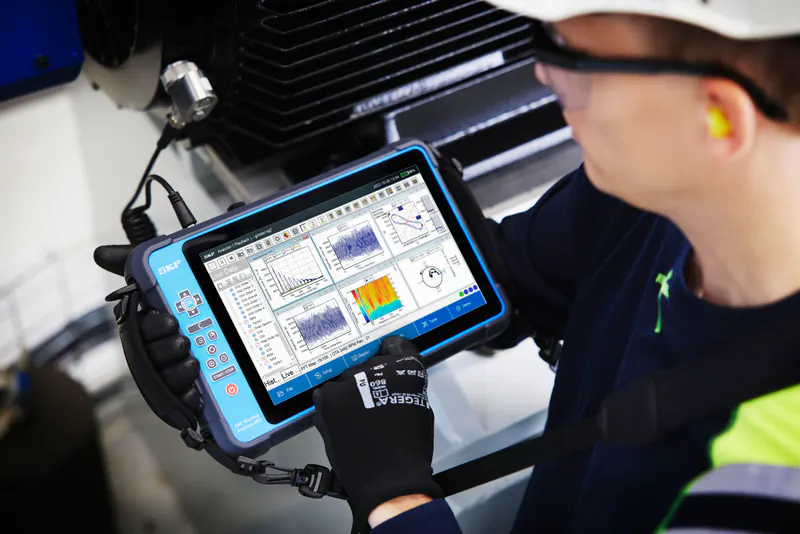
By identifying these faults early, maintenance teams can schedule repairs before minor issues turn into major failures.
Challenges and Best Practices in Vibration-Based Diagnostics
While the benefits are clear, there are challenges to consider when adopting vibration monitoring:
- Data interpretation: Accurate diagnosis requires expertise in signal analysis and a solid understanding of machine dynamics.
- Sensor placement: Incorrect sensor positioning can lead to misleading results or missed faults.
- Environmental noise: External vibrations from nearby equipment can interfere with measurements, requiring filtering or advanced analysis.
- Change management: Integrating new diagnostic tools may require training and process adjustments for maintenance staff.
To maximize the value of vibration-based diagnostics:
- Invest in training for analysts and technicians.
- Establish clear procedures for data collection and analysis.
- Combine vibration data with other condition monitoring techniques, such as temperature or oil analysis, for a comprehensive view.
- Regularly review and update diagnostic thresholds based on equipment history and operational changes.
Industries such as textiles also benefit from these practices. For instance, vibration analysis for textile machinery helps keep looms and spinning machines running smoothly, minimizing costly downtime.
Integrating Vibration Data with Predictive Maintenance
The future of machine health monitoring lies in predictive maintenance, where real-time data and advanced analytics enable proactive decision-making. By integrating vibration diagnostics with sensor based predictive maintenance systems, organizations can automate fault detection, prioritize maintenance tasks, and optimize spare parts inventory.
Cloud-based platforms and machine learning algorithms are increasingly used to process large volumes of vibration data, identify trends, and predict failures before they occur. This shift not only improves reliability but also supports digital transformation initiatives across manufacturing and process industries.
Frequently Asked Questions
What types of machines benefit most from vibration diagnostics?
Rotating equipment such as motors, pumps, fans, compressors, gearboxes, and turbines are prime candidates. Any asset where mechanical faults can lead to costly downtime or safety risks can benefit from vibration-based monitoring.
How often should vibration data be collected for effective diagnostics?
The optimal frequency depends on the criticality of the asset and its operating conditions. For high-value or high-risk equipment, continuous monitoring is recommended. For less critical machines, periodic measurements (weekly or monthly) may suffice.
Can vibration analysis detect all types of machine faults?
While vibration monitoring is highly effective for detecting mechanical issues like imbalance, misalignment, and bearing defects, it may not identify all electrical or process-related problems. Combining vibration diagnostics with other condition monitoring methods provides a more comprehensive assessment.