
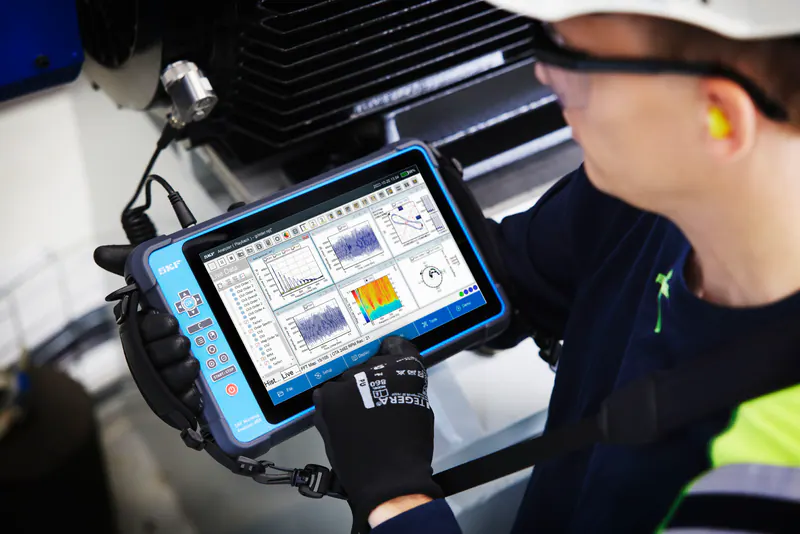
As industries strive for greater efficiency and reliability, wireless vibration monitoring systems have become essential tools for predictive maintenance and asset management. These solutions enable real-time tracking of equipment health, helping organizations prevent costly downtime and extend machinery lifespan. By leveraging wireless technology, facilities can monitor critical assets remotely, reduce manual inspections, and respond quickly to emerging issues.
This article explores the main advantages of adopting wireless vibration monitoring, highlights leading solutions on the market, and offers practical guidance for selecting the right system for your needs. For those interested in sector-specific applications, you may also want to explore vibration analysis for power plants to see how these technologies are transforming critical infrastructure.
Understanding Wireless Vibration Monitoring
Vibration monitoring is a proven method for detecting early signs of mechanical faults such as imbalance, misalignment, bearing wear, and looseness. Traditionally, this required wired sensors and manual data collection, which could be labor-intensive and limited in scope. Wireless systems, however, use battery-powered sensors that transmit data via radio frequency, Wi-Fi, or other wireless protocols to a central gateway or cloud platform.
With wireless technology, organizations can deploy sensors in hard-to-reach or hazardous areas, monitor assets continuously, and receive alerts when vibration levels exceed safe thresholds. This approach supports both routine condition monitoring and advanced predictive maintenance strategies.

Key Benefits of Wireless Vibration Monitoring Systems
Adopting wireless solutions for vibration analysis offers several important advantages:
- Reduced Installation Costs: Wireless sensors eliminate the need for extensive cabling and conduit, lowering installation expenses and minimizing disruption to operations.
- Scalability: It’s easy to add or relocate sensors as your monitoring needs evolve, supporting flexible asset coverage across large or complex facilities.
- Remote Access: Data can be accessed from anywhere via web dashboards or mobile apps, enabling maintenance teams to monitor equipment health without being onsite.
- Continuous Monitoring: Unlike periodic manual checks, wireless systems provide ongoing data streams, improving the chances of detecting early warning signs before failures occur.
- Improved Safety: By reducing the need for personnel to enter hazardous or hard-to-reach areas, these systems help lower workplace risks.
- Data-Driven Decisions: Advanced analytics and trend reports empower maintenance planners to prioritize interventions based on actual asset condition, not just schedules.
These benefits make wireless vibration monitoring a compelling choice for industries ranging from manufacturing and power generation to food processing and textiles. For more on how vibration analysis is applied in specific sectors, see our guide on vibration analysis for food processing equipment.
How Wireless Vibration Sensors Work
Wireless vibration sensors are typically compact, battery-powered devices that attach directly to motors, pumps, fans, or other rotating equipment. They measure parameters such as velocity, acceleration, and displacement, then transmit this data wirelessly to a gateway or cloud-based platform.
The collected data is analyzed for patterns that indicate developing faults. Modern systems often include built-in analytics, automated alarms, and integration with existing asset management software. This enables maintenance teams to receive real-time notifications and plan corrective actions efficiently.

Top Wireless Vibration Monitoring Solutions
The market offers a variety of wireless vibration monitoring options, each with unique features and capabilities. Here are some leading solutions to consider:
- SKF Enlight Collect IMx-1: This system provides robust, industrial-grade wireless sensors with long battery life and seamless integration with SKF’s cloud analytics platform.
- Emerson AMS Wireless Vibration Monitor: Designed for harsh environments, this device offers continuous monitoring and advanced diagnostics for critical assets.
- Banner Engineering Wireless Vibration and Temperature Sensor: Suitable for a wide range of industrial applications, this sensor provides both vibration and temperature data for comprehensive condition monitoring.
- Honeywell OneWireless: This scalable solution supports multiple sensor types and integrates with Honeywell’s process control systems for unified asset management.
- Fluke 3561 FC Vibration Sensor: Known for its ease of installation and use, this sensor connects to Fluke Connect software for real-time insights and reporting.
When evaluating options, consider factors such as battery life, wireless range, data accuracy, integration capabilities, and support for analytics or predictive maintenance features.
Choosing the Right Wireless Vibration Monitoring System
Selecting the best solution for your facility involves more than just comparing technical specifications. Here are some practical steps to guide your decision:
- Assess Your Asset Portfolio: Identify which machines are most critical to operations and would benefit most from continuous monitoring.
- Evaluate Environmental Conditions: Consider factors such as temperature extremes, humidity, and potential interference that could affect sensor performance.
- Integration Needs: Ensure the system can connect with your existing maintenance management or industrial IoT platforms.
- Scalability: Choose a solution that can grow with your facility and adapt to changing monitoring requirements.
- Support and Training: Look for vendors that offer comprehensive support, training resources, and regular software updates.
For a deeper dive into predictive maintenance strategies enabled by sensors, see our article on sensor based predictive maintenance.
Applications Across Industries
Wireless vibration monitoring is transforming maintenance practices in many sectors. In power plants, it helps ensure uptime and safety for turbines and generators. In food processing, it supports hygiene and compliance by enabling non-intrusive monitoring. Textile manufacturers rely on these systems to keep looms and spinning machines running smoothly, reducing unplanned stops and improving product quality.
For more industry-specific insights, explore our guide on vibration analysis for textile machinery.
Best Practices for Implementation
To maximize the value of your wireless vibration monitoring investment, follow these best practices:
- Start with Critical Assets: Focus initial deployments on machines whose failure would have the greatest operational impact.
- Establish Baseline Data: Collect vibration data under normal operating conditions to set accurate alarm thresholds.
- Regularly Review Analytics: Use trend analysis and automated reports to identify patterns and schedule proactive maintenance.
- Train Your Team: Ensure maintenance staff understand how to interpret vibration data and respond to alerts.
- Integrate with Other Systems: Combine vibration data with temperature, pressure, or other sensor data for a holistic view of asset health.
For a technical overview of vibration analysis fundamentals, refer to this comprehensive vibration analysis FAQ.
Frequently Asked Questions
What types of equipment benefit most from wireless vibration monitoring?
Rotating machinery such as motors, pumps, compressors, fans, and gearboxes are prime candidates. These assets are prone to faults that generate detectable vibration patterns, making them ideal for condition monitoring.
How often do wireless vibration sensors need maintenance?
Most wireless sensors are designed for low maintenance, with battery lives ranging from two to ten years depending on usage and environment. Regular checks for battery status and sensor calibration are recommended to ensure reliable data.
Can wireless vibration monitoring systems be integrated with existing maintenance software?
Yes, many modern solutions offer APIs or built-in compatibility with popular computerized maintenance management systems (CMMS) and industrial IoT platforms, enabling seamless data sharing and workflow automation.