
Mining operations rely on heavy-duty machinery that must perform reliably in some of the harshest environments on earth. Equipment breakdowns underground can halt production, increase safety risks, and drive up maintenance costs. Vibration analysis for mining equipment has become a cornerstone of predictive maintenance strategies, helping operators detect early signs of mechanical issues and optimize asset reliability.
This guide explores how vibration monitoring works in the mining sector, what makes it essential for underground reliability, and how modern techniques are transforming maintenance practices. We’ll also highlight how this approach compares with other industries, such as vibration analysis for power plants, and provide practical insights for implementation.
Why Vibration Monitoring Matters in Mining
Mining equipment such as crushers, conveyors, pumps, and ventilation fans operate under constant stress. The underground environment exposes these machines to dust, moisture, and temperature extremes, all of which can accelerate wear. Vibration analysis for mining equipment enables maintenance teams to:
- Identify developing faults in rotating machinery before catastrophic failure occurs
- Reduce unplanned downtime and improve production efficiency
- Enhance worker safety by preventing sudden breakdowns
- Optimize maintenance schedules and spare parts inventory
By capturing and interpreting vibration data, teams can make informed decisions about when to service or replace components, rather than relying on fixed schedules or waiting for failures.

How Vibration Analysis Works Underground
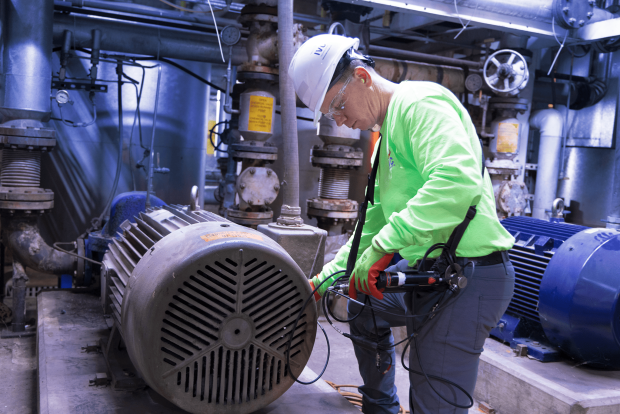
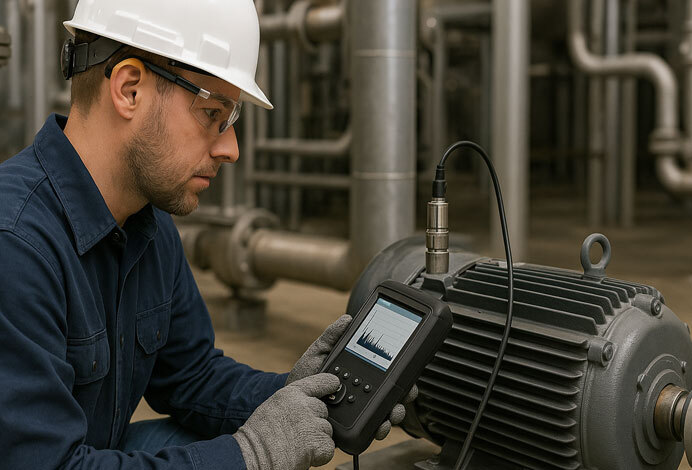
At its core, vibration analysis involves measuring the oscillations of machine components. Sensors, typically accelerometers, are attached to critical points on mining equipment. These sensors record vibration signals, which are then analyzed to detect patterns that indicate specific types of mechanical problems, such as:
- Imbalance in rotating shafts
- Misalignment of couplings or bearings
- Gearbox or bearing wear
- Looseness in structural components
Modern systems can transmit data wirelessly, even in challenging underground environments, allowing for continuous monitoring. Advanced analytics and machine learning algorithms help maintenance teams interpret the data and prioritize interventions.
For a deeper technical dive, see this complete guide to vibration analysis from Fluke.
Benefits of Predictive Maintenance in Mining
Implementing vibration analysis for mining equipment as part of a predictive maintenance program delivers significant benefits:
- Reduced Downtime: Early detection of faults allows repairs to be scheduled during planned shutdowns, minimizing production losses.
- Lower Maintenance Costs: Addressing issues before they escalate prevents secondary damage and reduces the need for emergency repairs.
- Improved Asset Lifespan: Machines that are maintained proactively tend to last longer and operate more efficiently.
- Enhanced Safety: Predictive insights help prevent hazardous failures that could endanger personnel.
These advantages are especially critical in underground mining, where access to equipment is limited and the consequences of failure are magnified.
Key Challenges in Underground Vibration Monitoring
While the value of vibration analysis for mining equipment is clear, underground deployment presents unique challenges:
- Harsh Conditions: Dust, water, and vibration can affect sensor performance and data reliability.
- Limited Connectivity: Wireless data transmission may be hampered by rock walls and distance from surface networks.
- Accessibility: Some equipment is difficult to reach for sensor installation or maintenance.
- Data Overload: Continuous monitoring generates large volumes of data that require effective filtering and analysis.
To overcome these hurdles, mining companies are investing in ruggedized sensors, robust data infrastructure, and cloud-based analytics platforms. Training maintenance teams to interpret vibration data is also essential for success.
Comparing Mining with Other Industrial Sectors
Vibration monitoring is not unique to mining. Industries such as power generation and manufacturing also rely on similar techniques to maintain critical assets. For example, vibration analysis for food processing equipment focuses on hygiene and uptime, while vibration analysis for textile machinery targets continuous operation of looms and spindles.
What sets mining apart is the combination of environmental extremes, equipment size, and the logistical complexity of underground operations. Solutions must be tailored to withstand these conditions and deliver actionable insights in real time.
Implementing a Successful Vibration Monitoring Program
To maximize the benefits of vibration analysis for mining equipment, consider these best practices:
- Asset Prioritization: Focus on the most critical machines where failure would have the greatest impact.
- Sensor Placement: Install sensors at locations most likely to reveal early signs of trouble, such as bearings, gearboxes, and motor mounts.
- Data Management: Use software platforms that can aggregate, visualize, and analyze vibration data efficiently.
- Integration: Combine vibration monitoring with other predictive maintenance tools, such as sensor based predictive maintenance and industrial IoT solutions.
- Training: Equip maintenance staff with the skills to interpret vibration signatures and act on findings.
Regular review and optimization of the monitoring program ensure it continues to deliver value as equipment ages and operational needs evolve.
Future Trends in Mining Equipment Reliability
As digital transformation accelerates in the mining sector, vibration analysis is becoming more sophisticated. Advances include:
- Wireless Sensor Networks: Easier installation and real-time data collection, even in remote locations.
- Machine Learning: Automated pattern recognition for faster and more accurate fault detection.
- Integration with Maintenance Systems: Seamless connection between vibration data and work order management.
- Remote Diagnostics: Experts can analyze equipment health from anywhere, reducing the need for on-site visits.
These innovations promise to further improve reliability, safety, and efficiency in underground mining operations.
Frequently Asked Questions
What types of mining equipment benefit most from vibration analysis?
Rotating machinery such as crushers, conveyors, pumps, fans, and hoists are prime candidates. These assets are critical to continuous operation and are prone to faults that can be detected early through vibration monitoring.
How often should vibration data be collected in underground mines?
Continuous monitoring is ideal for critical assets, but periodic data collection (weekly or monthly) can also be effective for less vital equipment. The frequency depends on the asset’s importance, operating conditions, and historical failure rates.
Can vibration analysis prevent all equipment failures?
While it significantly reduces the risk of unexpected breakdowns, no single technique can prevent every failure. Combining vibration monitoring with other predictive maintenance methods and regular inspections provides the best protection for mining assets.