
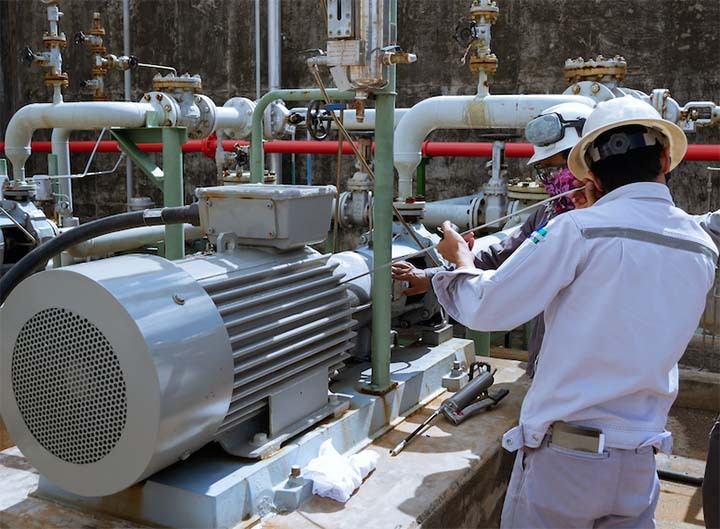
Vibration analysis for pumps is a proactive maintenance strategy that helps facilities detect mechanical issues before they escalate into costly failures. By continuously monitoring the vibration patterns of pumping equipment, technicians can identify early warning signs of wear, misalignment, imbalance, and other faults. This approach not only reduces unplanned downtime but also extends the lifespan of critical assets, ensuring reliable operation across industries.
As industrial environments become more complex, the need for advanced condition monitoring grows. Pump failures can lead to production losses, safety hazards, and expensive repairs. Implementing vibration monitoring allows maintenance teams to act on data-driven insights, optimizing both performance and safety. For those interested in broader applications, exploring vibration analysis for power plants reveals how similar techniques safeguard other essential infrastructure.
Understanding the Basics of Pump Vibration Monitoring
Every rotating machine generates a unique vibration signature. In pumps, this signature changes as components wear or faults develop. Vibration analysis for pumps involves measuring these oscillations using sensors placed at strategic locations on the equipment. The data collected is then analyzed to detect patterns that indicate potential problems.
Key parameters monitored include amplitude, frequency, and phase of vibration. These metrics help distinguish between normal operating conditions and anomalies such as:
- Imbalance in the rotating assembly
- Misalignment of shafts or couplings
- Loose mechanical parts
- Damaged bearings or impellers
- Cavitation or hydraulic issues
By tracking these factors, maintenance teams can schedule repairs before breakdowns occur, minimizing disruption and controlling costs.
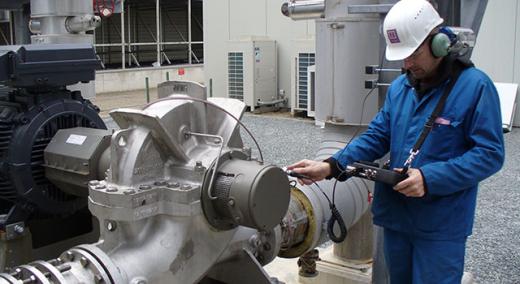
Common Causes of Excessive Pump Vibration
Understanding what triggers abnormal vibration is crucial for effective maintenance. The most frequent causes include:
- Imbalance: Uneven mass distribution in the rotor or impeller creates centrifugal forces, leading to excessive vibration.
- Misalignment: When the pump and motor shafts are not properly aligned, it results in increased wear and vibration.
- Mechanical Looseness: Worn or loose components such as bolts, bearings, or mounts can amplify oscillations.
- Bearing Defects: Deterioration or damage to bearings often produces distinct vibration patterns at specific frequencies.
- Cavitation: The formation and collapse of vapor bubbles in the pump cause noise, vibration, and potential damage.
- Hydraulic Forces: Flow turbulence or blockages can generate irregular forces, affecting vibration levels.
Identifying the root cause early allows for targeted interventions, preventing further deterioration and avoiding secondary damage.
How Vibration Analysis Detects Pump Problems Early
Vibration analysis for pumps is most effective when used as part of a predictive maintenance program. By regularly collecting and analyzing vibration data, teams can spot subtle changes that signal developing issues. For example, a gradual increase in vibration amplitude at a particular frequency might indicate bearing wear, while sudden spikes could point to a loose component or misalignment.
Modern systems often use wireless sensors and cloud-based analytics to provide real-time alerts. This enables maintenance staff to respond quickly, reducing the risk of catastrophic failure. In addition, trend analysis helps prioritize maintenance tasks and allocate resources more efficiently.

Benefits of Implementing Vibration Monitoring in Pump Maintenance
Facilities that adopt vibration analysis for pumps benefit in several ways:
- Reduced Downtime: Early detection of faults allows for planned maintenance, minimizing unexpected outages.
- Lower Repair Costs: Addressing issues before they escalate prevents expensive repairs and component replacements.
- Extended Equipment Life: Consistent monitoring helps maintain optimal operating conditions, prolonging asset lifespan.
- Improved Safety: Preventing catastrophic failures reduces the risk of accidents and environmental hazards.
- Data-Driven Decisions: Maintenance teams can prioritize work based on actual equipment condition rather than fixed schedules.
These advantages make vibration monitoring a cornerstone of modern reliability-centered maintenance strategies.
Integrating Vibration Analysis with Other Predictive Maintenance Tools
While vibration monitoring is powerful on its own, combining it with other predictive techniques enhances overall asset management. For example, pairing vibration data with temperature, pressure, or oil analysis provides a more comprehensive view of pump health. This integrated approach is central to sensor based predictive maintenance strategies, where multiple data sources inform smarter maintenance decisions.
Additionally, the rise of industrial IoT platforms enables seamless data collection and analysis across entire facilities. By leveraging cloud connectivity and machine learning, organizations can automate fault detection and optimize maintenance schedules. For a deeper dive into these trends, see how industrial IoT maintenance applications are reshaping factories.
Best Practices for Effective Pump Vibration Monitoring
To maximize the value of vibration analysis for pumps, consider these best practices:
- Strategic Sensor Placement: Install sensors at key locations such as bearings, motor mounts, and pump casing for comprehensive coverage.
- Regular Data Collection: Establish a consistent schedule for collecting and reviewing vibration data to spot trends over time.
- Baseline Establishment: Record initial vibration signatures for each pump to serve as a reference for future comparisons.
- Staff Training: Ensure maintenance personnel are trained to interpret vibration data and recognize warning signs.
- Use of Analytics: Employ advanced software tools to automate data analysis and generate actionable insights.
Following these guidelines helps organizations transition from reactive to proactive maintenance, reducing risk and improving operational efficiency.
Industry Applications and Real-World Impact
Vibration analysis for pumps is widely used across sectors such as water treatment, oil and gas, manufacturing, and food processing. In each setting, the technology helps maintain uptime, ensure product quality, and comply with safety regulations. For instance, in food production, continuous monitoring supports both safety and equipment reliability. Learn more about its role in this sector by reviewing vibration analysis for food processing equipment.
As digital transformation accelerates, more organizations are adopting wireless sensors and cloud-based platforms for real-time monitoring. This shift not only streamlines maintenance workflows but also enables remote diagnostics and predictive analytics, further enhancing reliability.
Further Reading and Resources
For those seeking a deeper technical understanding, IBM provides a comprehensive overview of vibration analysis principles and applications in industrial settings. These resources cover advanced topics such as spectral analysis, fault diagnosis, and integration with enterprise asset management systems.
Frequently Asked Questions
What types of faults can vibration monitoring detect in pumps?
Vibration monitoring can identify a range of issues including imbalance, misalignment, bearing defects, mechanical looseness, and cavitation. By analyzing vibration patterns, maintenance teams can pinpoint the specific cause and take corrective action before a failure occurs.
How often should vibration data be collected from pumps?
The optimal frequency depends on the criticality of the pump and its operating environment. For essential assets, continuous monitoring with wireless sensors is recommended. For less critical pumps, weekly or monthly manual readings may suffice, provided that baseline data is established for comparison.
Can vibration analysis be used with other types of industrial equipment?
Yes, vibration monitoring is applicable to a wide range of rotating machinery, including motors, fans, compressors, and textile machines. For example, vibration analysis for textile machinery helps keep looms and other equipment running smoothly by detecting faults early.