

Modern industrial environments rely on the smooth operation of critical machinery. For maintenance professionals, early detection of mechanical issues can prevent costly breakdowns, reduce downtime, and extend equipment life. Vibration monitoring for maintenance teams has become an essential strategy for proactive asset management, enabling teams to identify problems before they escalate.
This guide explores the fundamentals of vibration monitoring, its benefits, and practical steps for implementation. Whether you manage a power plant, a food processing facility, or any operation with rotating equipment, understanding vibration data is key to optimizing maintenance schedules and ensuring operational reliability.
For those interested in industry-specific applications, you can learn more about vibration analysis for power plants and how it helps monitor critical assets in energy sectors.
Why Vibration Monitoring Matters for Maintenance Professionals
Mechanical equipment, especially those with rotating parts, naturally produces vibrations during operation. However, changes in vibration patterns often signal developing faults such as misalignment, imbalance, bearing wear, or looseness. By tracking these changes, maintenance teams can:
- Detect early signs of equipment failure and schedule repairs before breakdowns occur.
- Minimize unplanned downtime and production losses.
- Optimize spare parts inventory and reduce unnecessary replacements.
- Improve workplace safety by preventing catastrophic failures.
Implementing a vibration monitoring program is a proactive approach that supports condition-based maintenance, moving away from reactive or strictly time-based interventions.
Core Principles of Vibration Analysis
At its core, vibration analysis involves measuring the oscillations of machinery components and interpreting the data to assess equipment health. The most common parameters include:
- Amplitude: Indicates the severity of vibration, often measured in mm/s or g-forces.
- Frequency: Reveals the speed of vibration cycles, helping pinpoint the source of problems.
- Time Waveform: Shows how vibration changes over time, useful for identifying transient events.
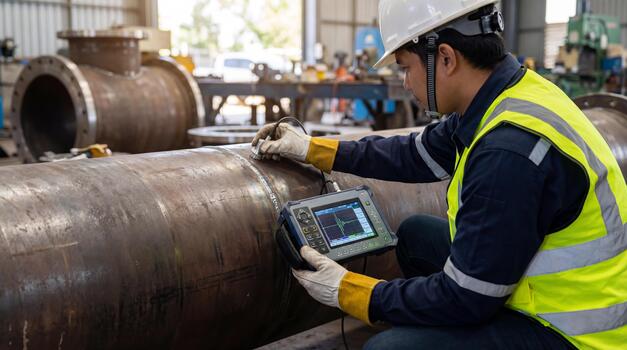
Technicians use accelerometers and vibration sensors to collect data, which is then analyzed using specialized software. Patterns in the data can reveal specific faults, such as unbalance (high amplitude at rotational speed) or bearing defects (distinctive frequency signatures).

Choosing the Right Vibration Monitoring Tools
There are several types of vibration monitoring systems available, ranging from handheld meters to permanently installed wireless sensors. The choice depends on factors such as asset criticality, budget, and the required frequency of measurements. Key considerations include:
- Portability: Handheld devices are suitable for periodic checks, while fixed sensors enable continuous monitoring.
- Data Accessibility: Modern solutions often feature cloud connectivity, allowing remote access and real-time alerts.
- Integration: Compatibility with existing maintenance management systems streamlines workflows and reporting.
- Scalability: Wireless systems can be expanded as your monitoring needs grow.
For teams managing large facilities or remote assets, wireless vibration sensors offer significant advantages in terms of coverage and efficiency.
Implementing Vibration Monitoring in Maintenance Workflows
To maximize the benefits of vibration monitoring, it should be integrated into existing maintenance routines. Here’s a step-by-step approach:
- Asset Selection: Identify critical machines where failure would have the highest impact.
- Baseline Measurement: Record initial vibration levels for reference and trend analysis.
- Routine Data Collection: Schedule regular measurements or set up continuous monitoring for high-priority assets.
- Data Analysis: Use software to compare current readings with baselines and industry standards.
- Action Planning: Develop maintenance actions based on detected anomalies, prioritizing urgent issues.
- Documentation: Maintain records for compliance, audits, and future reference.
Training is crucial—ensure your team understands how to use the equipment and interpret the results. Many organizations also partner with third-party specialists for advanced diagnostics or to supplement in-house expertise.
Common Challenges and How to Overcome Them
While the advantages are clear, maintenance teams may encounter obstacles when adopting vibration monitoring:
- Data Overload: Too much information can overwhelm teams. Focus on actionable insights and use software with automated alerts.
- Skill Gaps: Not all technicians are familiar with vibration analysis. Invest in training and consider mentorship from experienced analysts.
- Budget Constraints: Start with the most critical assets and expand the program as ROI is demonstrated.
- Integration Issues: Choose systems that work with your existing maintenance platforms to avoid data silos.
Gradual implementation, clear objectives, and ongoing education are key to a successful program.
Industry Applications and Case Studies
Vibration monitoring is widely used across industries. In power generation, it helps prevent turbine failures. In food processing, it ensures uninterrupted production and food safety. Textile manufacturers rely on it to keep looms running efficiently. For more sector-specific insights, explore topics like vibration analysis for food processing equipment or vibration analysis for textile machinery to see how these techniques are tailored to different operational needs.
Emerging trends such as industrial IoT maintenance applications and sensor based predictive maintenance are further enhancing the value of vibration data, enabling smarter, more connected maintenance strategies.
Best Practices for Maintenance Teams Using Vibration Monitoring
To ensure ongoing success, follow these best practices:
- Standardize Procedures: Develop clear protocols for data collection, analysis, and response.
- Leverage Historical Data: Use trend analysis to predict future issues and refine maintenance schedules.
- Collaborate Across Departments: Share findings with operations, engineering, and reliability teams for holistic asset management.
- Stay Updated: Keep up with advances in sensor technology and software analytics to maintain a competitive edge.
Regular reviews and continuous improvement help teams adapt to changing equipment and operational demands.
Further Learning and Resources
For a deeper dive into the science and practicalities of vibration analysis, consider reading this comprehensive overview of vibration analysis techniques and benefits. Staying informed about the latest industry developments will empower your team to make data-driven decisions and maximize equipment uptime.
Frequently Asked Questions
What types of equipment benefit most from vibration monitoring?
Assets with rotating components—such as motors, pumps, fans, compressors, and turbines—are most susceptible to vibration-related issues. Monitoring these machines helps detect faults early and prevents unexpected failures.
How often should vibration data be collected?
The frequency depends on asset criticality and operational conditions. High-priority machines may require continuous monitoring, while less critical assets can be checked weekly or monthly. Establishing a baseline and trending data over time is essential for effective analysis.
Can vibration monitoring be integrated with other predictive maintenance tools?
Yes, many modern systems are designed to work alongside other condition monitoring technologies, such as temperature, oil analysis, and acoustic sensors. Integration with computerized maintenance management systems (CMMS) enables a holistic approach to asset health management.