
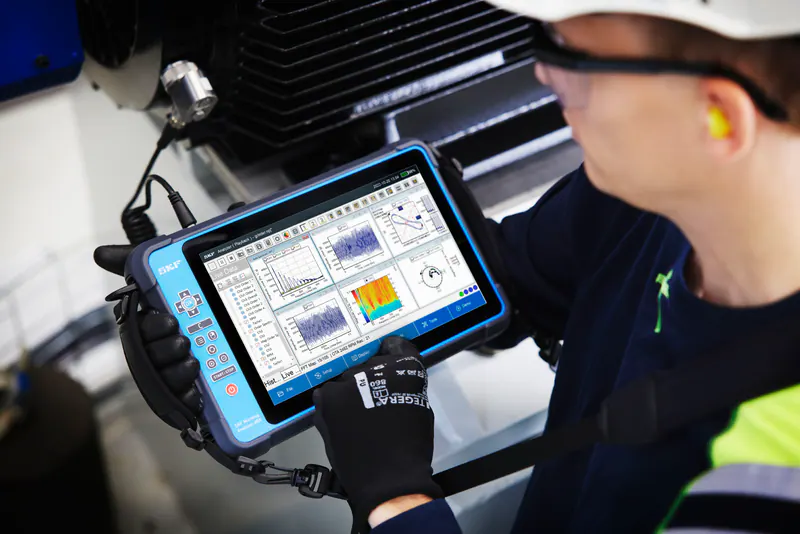
Understanding how to collect vibration data accurately is essential for anyone involved in machinery maintenance, reliability engineering, or predictive maintenance programs. Proper data collection is the foundation for effective vibration analysis, which helps detect early signs of equipment faults, prevent unexpected breakdowns, and extend asset life. Whether you’re working in power plants, paper mills, or food processing facilities, mastering this process can significantly improve your maintenance outcomes.
This article provides a practical, step-by-step approach to gathering vibration measurements, from preparation to data interpretation. Along the way, you’ll find tips for avoiding common mistakes, ensuring reliable results, and integrating your findings into a broader condition monitoring strategy. For industry-specific insights, you may also find value in resources like vibration analysis for power plants, which explores monitoring critical assets in energy environments.
Why Accurate Vibration Data Matters
Collecting vibration measurements the right way ensures that your analysis is based on trustworthy information. Inaccurate or inconsistent data can lead to misdiagnosis, unnecessary maintenance, or even missed warning signs of impending failure. High-quality data supports:
- Early detection of bearing wear, misalignment, imbalance, and looseness
- Optimized maintenance schedules and reduced downtime
- Improved safety and compliance with industry standards
- Cost savings through targeted repairs and extended equipment life
With the right approach, vibration monitoring becomes a powerful tool for proactive maintenance and asset management.
Preparing for Vibration Measurement
Preparation is a critical first step in the process of how to collect vibration data. Before starting, consider the following:
- Define your objectives: Are you establishing a baseline, troubleshooting a problem, or performing routine monitoring?
- Select the right equipment: Choose a vibration analyzer or data collector suitable for your application. Ensure your sensors (accelerometers, velocity sensors, or displacement probes) match the frequency range and sensitivity required.
- Review machine documentation: Understand the machine’s operating conditions, speed, and critical components.
- Plan measurement points: Identify key locations on the machine—typically bearing housings, motor mounts, or gearboxes—where vibration is most likely to reveal faults.
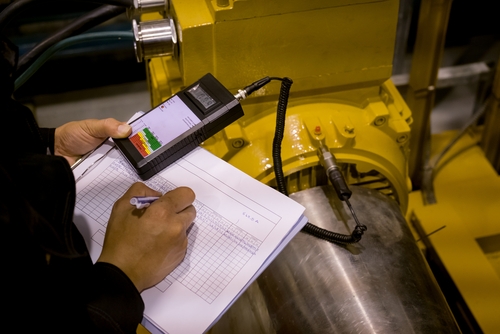
Step-by-Step Process for Gathering Reliable Vibration Data
1. Ensure Safety and Accessibility
Before approaching any equipment, follow all safety protocols. Lockout/tagout procedures, personal protective equipment, and awareness of moving parts are essential. Make sure you have clear access to the measurement points without putting yourself at risk.
2. Mount the Sensor Correctly
Proper sensor mounting is crucial for accurate readings. Here are common techniques:
- Stud mounting: Provides the most reliable data by screwing the sensor directly into a tapped hole.
- Magnetic mounting: Useful for flat, clean surfaces when permanent mounting isn’t possible. Ensure the magnet is strong and the surface is free of debris.
- Handheld probes: Convenient for quick checks, but less repeatable. Apply consistent pressure and orientation.
Always mount the sensor perpendicular to the surface and as close as possible to the bearing or fault location.
3. Configure the Data Collector
Set up your vibration analyzer with the correct parameters:
- Frequency range: Select a range that covers the expected fault frequencies (e.g., 10 Hz to 10 kHz).
- Sampling rate: Higher sampling rates capture more detail but require more memory.
- Measurement units: Choose acceleration (g), velocity (mm/s or in/s), or displacement (µm or mils) based on your analysis needs.
- Number of averages: Averaging multiple readings can reduce random noise.
4. Record Baseline and Operating Data
Collect data under normal operating conditions to establish a baseline. This reference will help you identify deviations in future measurements. If possible, record data at different loads, speeds, or process states to capture a complete picture of machine behavior.
5. Document Everything
Accurate records are vital for trend analysis and troubleshooting. For each measurement, note:
- Date and time
- Machine ID and location
- Measurement point and orientation
- Operating conditions (speed, load, temperature)
- Sensor type and mounting method
Consistent documentation ensures repeatability and helps others interpret your results.
Common Mistakes to Avoid When Gathering Vibration Measurements
Even experienced technicians can make errors that compromise data quality. Watch out for these pitfalls:
- Inconsistent sensor placement or orientation
- Loose or dirty mounting surfaces
- Measuring during abnormal operating conditions
- Ignoring environmental factors (e.g., nearby machines, temperature changes)
- Failing to calibrate equipment regularly
By standardizing your procedures and paying attention to detail, you can minimize these risks and ensure your vibration monitoring program delivers actionable insights.

Interpreting and Using Your Vibration Data
Once you’ve gathered reliable vibration measurements, the next step is analysis. Use your baseline data to identify trends, compare against industry standards, and detect anomalies. Many organizations use specialized software to automate this process, flagging potential issues such as:
- Increased amplitude at specific frequencies (indicating imbalance, misalignment, or bearing defects)
- Sudden changes in vibration signature
- Consistent growth in overall vibration levels
For a deeper understanding of vibration analysis techniques and their applications, you can consult resources like this comprehensive vibration analysis FAQ from TWI Global.
Integrating your findings into a broader maintenance strategy helps prioritize repairs, schedule inspections, and justify investments in new equipment or upgrades. In regulated industries, thorough documentation and regular monitoring are also key to compliance and audit readiness.
Best Practices for Consistent Vibration Monitoring
To maximize the value of your vibration monitoring program, consider these best practices:
- Standardize measurement routes and procedures across your facility
- Train staff regularly on correct sensor mounting and data collection techniques
- Review and update baselines as equipment ages or is modified
- Integrate vibration data with other condition monitoring tools, such as thermography or oil analysis
- Leverage industry-specific knowledge—for example, see how vibration analysis for paper mills helps prevent costly breakdowns in pulp and paper environments
Regular, repeatable data collection paired with expert analysis is the key to unlocking the full benefits of predictive maintenance.
FAQ: Common Questions About Vibration Data Collection
What equipment do I need to start collecting vibration measurements?
At a minimum, you’ll need a vibration analyzer or data collector, appropriate sensors (such as accelerometers), and mounting accessories. Many facilities also use software for data management and analysis.
How often should vibration data be collected?
The ideal frequency depends on equipment criticality, operating conditions, and manufacturer recommendations. High-risk or mission-critical assets may require weekly or even continuous monitoring, while less critical machines can be checked monthly or quarterly.
Can vibration monitoring detect all types of machine faults?
While vibration analysis is highly effective for identifying issues like imbalance, misalignment, and bearing defects, it should be used alongside other condition monitoring methods for a complete picture of machine health.
How do I ensure my vibration data is reliable?
Follow standardized procedures, use the correct mounting techniques, document all measurements, and regularly calibrate your equipment. Consistency and attention to detail are essential for trustworthy results.
Conclusion
Mastering the process of how to collect vibration data is a valuable skill for anyone responsible for machinery health. By following a structured approach—preparing thoroughly, using the right equipment, and standardizing your procedures—you can gather accurate, actionable information that supports effective maintenance and long-term asset reliability. For more industry-specific guidance, explore topics like vibration analysis for food processing equipment or vibration analysis for textile machinery to see how these principles apply across different sectors.