
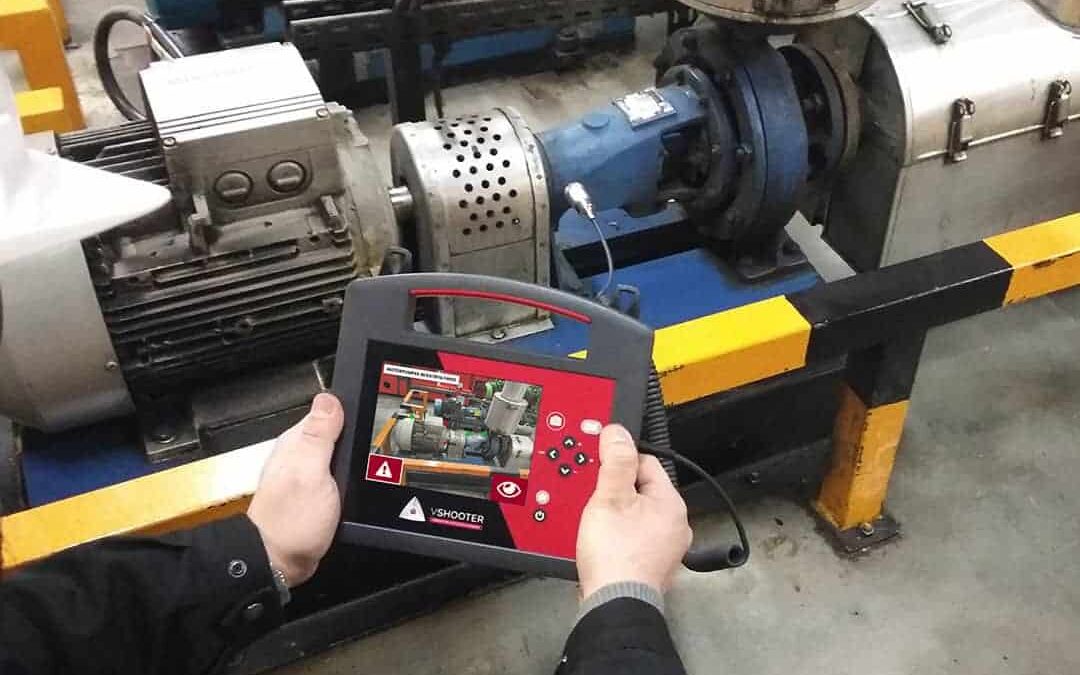
Ensuring reliable operation and optimal efficiency in turbine systems is a top priority for industries such as power generation, oil and gas, and manufacturing. Vibration analysis for turbines is a proven technique for detecting early signs of mechanical issues, preventing costly downtime, and extending equipment lifespan. By continuously monitoring vibration patterns, maintenance teams can identify developing faults before they escalate, helping to maintain peak performance and safety.
For those interested in broader applications of this technology, exploring vibration analysis for power plants provides valuable insights into monitoring critical assets across large-scale facilities.
Understanding the Importance of Turbine Vibration Monitoring
Turbines operate under high stress, with rotating components subject to wear, misalignment, and imbalance. Even minor changes in vibration can signal the onset of problems such as bearing failures, blade cracks, or shaft misalignment. Early detection through vibration analysis for turbines enables maintenance teams to schedule repairs proactively, reducing unplanned outages and avoiding catastrophic failures.
Consistent monitoring not only protects expensive assets but also supports regulatory compliance and workplace safety. In industries where turbines are mission-critical, such as energy production, the ability to anticipate and address faults is essential for uninterrupted operations.
How Vibration Analysis Works in Turbine Applications
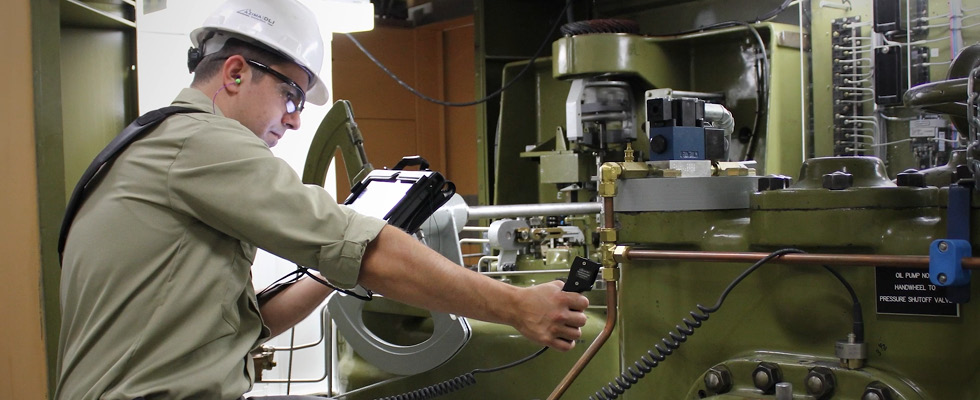
The process involves attaching sensors to key points on the turbine, such as bearings, casings, and shafts. These sensors capture vibration signals, which are then analyzed using specialized software. The resulting data is compared against baseline values and known fault patterns to identify anomalies.
Common issues detected through this method include:
- Imbalance: Uneven distribution of mass causes excessive vibration and can damage bearings and seals.
- Misalignment: Incorrect alignment of shafts or couplings leads to increased wear and energy loss.
- Looseness: Loose bolts or components can create dangerous resonance conditions.
- Bearing defects: Early signs of pitting, spalling, or lubrication failure are often visible in vibration signatures.
- Blade or rotor faults: Cracks, erosion, or deformation can be detected before they result in major failures.
For a detailed explanation of the underlying principles, this guide on how vibration analysis works offers a comprehensive overview of the technology and its benefits.
Benefits of Implementing Vibration Monitoring in Turbine Maintenance
Adopting a proactive approach to turbine maintenance through vibration monitoring yields several key advantages:
- Reduced downtime: Early fault detection allows for planned maintenance, minimizing unexpected shutdowns.
- Lower repair costs: Addressing issues in their early stages prevents extensive damage and costly repairs.
- Extended equipment life: Regular monitoring helps maintain optimal operating conditions, reducing wear and tear.
- Improved safety: Identifying and resolving faults before they escalate enhances workplace safety for personnel.
- Energy efficiency: Well-maintained turbines operate more efficiently, lowering energy consumption and emissions.
These benefits are especially significant in industries where turbines are central to production, such as power generation and process manufacturing. By integrating vibration monitoring into routine maintenance, organizations can achieve greater reliability and cost savings.
Key Techniques and Tools Used in Turbine Vibration Analysis
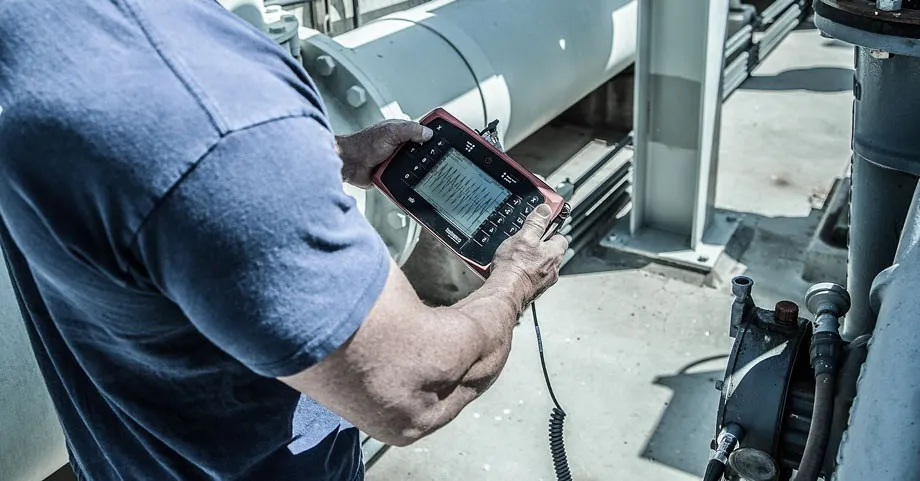
Modern vibration monitoring employs a range of tools and techniques to ensure accurate diagnostics:
- Accelerometers: These sensors measure the acceleration of vibrating components, providing real-time data on vibration intensity and frequency.
- Proximity probes: Used to detect shaft movement and misalignment, especially in high-speed turbines.
- FFT (Fast Fourier Transform) analysis: Converts raw vibration signals into frequency spectra, making it easier to identify specific fault signatures.
- Wireless monitoring systems: Enable remote, continuous data collection and analysis, reducing the need for manual inspections.
- Predictive maintenance software: Integrates with plant management systems to automate alerts and maintenance scheduling based on vibration trends.
Combining these tools with expert analysis allows maintenance teams to pinpoint issues quickly and accurately, maximizing the value of their monitoring programs.
Integrating Vibration Analysis with Other Condition Monitoring Strategies
While vibration monitoring is highly effective on its own, its value increases when combined with other condition monitoring techniques. Methods such as oil analysis, thermography, and ultrasonic testing provide complementary insights into turbine health. For example, oil analysis can detect lubrication issues that may not be immediately apparent in vibration data, while thermography can reveal overheating components.
By adopting a holistic approach to condition monitoring, organizations can build a more complete picture of equipment health, further reducing the risk of unexpected failures and optimizing maintenance resources.
Industries with specialized needs, such as vibration analysis for paper mills or pharmaceutical plants, can benefit from tailored monitoring solutions that address unique operational challenges.
Challenges and Best Practices in Turbine Vibration Monitoring
Implementing an effective vibration monitoring program for turbines requires careful planning and ongoing management. Some common challenges include:
- Sensor placement: Incorrect sensor locations can lead to incomplete or misleading data. Sensors should be installed at critical points recommended by equipment manufacturers.
- Data overload: Modern systems generate large volumes of data. Using advanced analytics and automated alerts helps prioritize actionable insights.
- Skill gaps: Interpreting vibration data requires specialized knowledge. Investing in training and working with experienced analysts is essential.
- Integration with existing systems: Ensuring compatibility with plant management and maintenance software streamlines workflows and improves response times.
Adhering to best practices—such as regular calibration, consistent data collection intervals, and thorough documentation—ensures that vibration monitoring delivers maximum value over the long term.
Frequently Asked Questions
What are the most common faults detected by vibration analysis in turbines?
Typical issues identified include imbalance, misalignment, bearing defects, looseness, and blade or rotor faults. Early detection of these problems allows for timely maintenance and helps prevent catastrophic failures.
How often should vibration monitoring be performed on turbines?
The frequency depends on the criticality of the turbine and operational conditions. For high-value or mission-critical turbines, continuous monitoring is recommended. For less critical assets, periodic checks (monthly or quarterly) may suffice.
Can vibration analysis be used on all types of turbines?
Yes, this technique is applicable to a wide range of turbine types, including steam, gas, hydro, and wind turbines. The specific monitoring approach and sensor placement may vary depending on the design and application.
Conclusion
Proactive vibration analysis for turbines is a cornerstone of modern maintenance strategies, enabling organizations to achieve greater reliability, safety, and cost efficiency. By leveraging advanced monitoring tools and integrating them with other condition-based maintenance practices, industries can ensure that their turbines deliver consistent, peak performance throughout their operational life.