
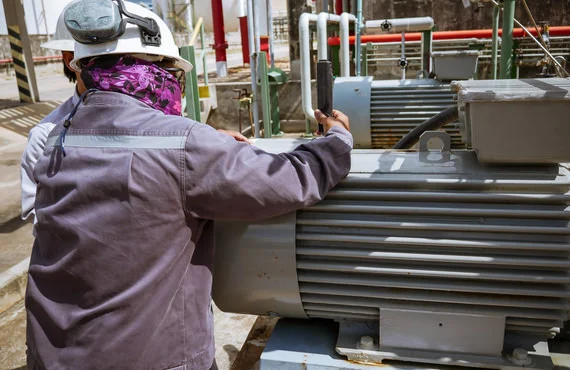
In today’s competitive manufacturing landscape, keeping equipment running efficiently is more important than ever. Factory predictive maintenance strategies have emerged as a game-changer, enabling facilities to anticipate failures, reduce downtime, and optimize maintenance costs. By leveraging data-driven insights and advanced monitoring techniques, manufacturers can move beyond reactive repairs and scheduled maintenance to a smarter, more proactive approach.
This guide explores proven approaches for predictive maintenance in industrial settings, highlighting practical steps, real-world benefits, and the technologies that make these strategies effective. Whether you’re managing a power plant, a food processing facility, or a textile mill, understanding how to implement predictive maintenance can help you maximize uptime and asset life.
A key component of successful predictive maintenance is vibration analysis. For example, facilities looking to improve reliability can benefit from resources like vibration analysis for power plants, which offers insights into monitoring critical assets and preventing unexpected failures.
Understanding Predictive Maintenance in Manufacturing
Predictive maintenance is a proactive approach that uses real-time data and analytics to predict when equipment will need attention. Unlike traditional preventive maintenance, which relies on fixed schedules, predictive methods analyze the actual condition of machinery to determine the optimal time for intervention.
By implementing these strategies, factories can:
- Reduce unplanned downtime
- Lower maintenance costs
- Extend equipment lifespan
- Improve safety and compliance
The core idea is to act before a failure occurs, using technology to monitor and interpret signals from machines.
Key Elements of Effective Factory Predictive Maintenance Strategies
To develop a robust predictive maintenance program, manufacturers should focus on several essential components:
1. Data Collection and Sensor Integration
The foundation of predictive maintenance is accurate, continuous data. This typically involves installing sensors on critical assets to monitor parameters such as vibration, temperature, pressure, and oil quality. Modern sensors can transmit data wirelessly, making it easier to retrofit existing equipment.

Common sensor types include:
- Vibration sensors for rotating equipment
- Thermal sensors for motors and bearings
- Ultrasonic sensors for leak detection
- Oil analysis sensors for lubrication systems
2. Advanced Analytics and Machine Learning
Once data is collected, it must be analyzed to identify patterns and predict failures. Advanced analytics platforms and machine learning algorithms can process large volumes of sensor data, detecting subtle changes that may indicate wear or impending breakdowns.
These tools can:
- Establish baseline performance for each asset
- Identify anomalies in real time
- Forecast remaining useful life (RUL) of components
- Recommend optimal maintenance actions
3. Condition Monitoring Techniques
Condition monitoring is at the heart of predictive maintenance. Techniques such as vibration analysis, thermal imaging, and oil analysis provide valuable insights into equipment health.
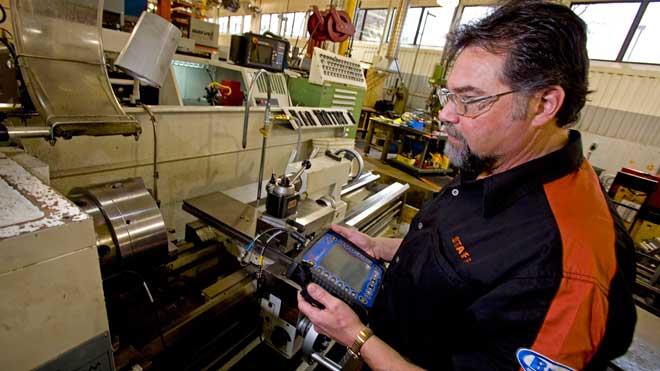
For a deeper dive into this topic, explore how vibration analysis helps detect early signs of mechanical issues and supports proactive maintenance decisions.
4. Integration with Maintenance Management Systems
To ensure that insights from predictive analytics lead to action, it’s important to integrate monitoring tools with your Computerized Maintenance Management System (CMMS) or Enterprise Asset Management (EAM) platform. This allows maintenance teams to receive alerts, schedule work orders, and track the effectiveness of interventions.
Best Practices for Implementing Predictive Maintenance in Factories
Adopting predictive maintenance requires more than just installing sensors. The following best practices can help ensure a successful rollout:
- Start with critical assets: Focus on machines whose failure would have the greatest impact on production or safety.
- Establish clear objectives: Define what you want to achieve, such as reducing downtime by a certain percentage or extending asset life.
- Invest in training: Equip your maintenance team with the skills to interpret data and use new technologies effectively.
- Monitor and adjust: Continuously review the effectiveness of your program and refine your approach as needed.
It’s also helpful to learn from industry-specific examples. For instance, those in the paper industry may benefit from resources like vibration analysis for paper mills, which addresses unique challenges in preventing costly breakdowns.
Benefits of Predictive Maintenance for Industrial Operations
Implementing predictive maintenance strategies brings a range of advantages to manufacturing facilities:
- Reduced unplanned downtime: By identifying issues early, maintenance can be scheduled before failures disrupt production.
- Lower maintenance costs: Targeted interventions reduce unnecessary part replacements and labor expenses.
- Improved asset reliability: Continuous monitoring helps extend the lifespan of machinery and avoid catastrophic failures.
- Enhanced safety and compliance: Early detection of faults reduces the risk of accidents and supports regulatory compliance.
- Optimized spare parts inventory: Knowing when components are likely to fail allows for better inventory planning.
These benefits are not limited to large-scale factories. Small and medium-sized manufacturers can also see significant returns by adopting scalable predictive maintenance solutions.
Common Challenges and How to Overcome Them
While the advantages are clear, implementing predictive maintenance is not without obstacles. Common challenges include:
- Data overload: Managing and interpreting large volumes of sensor data can be overwhelming without the right analytics tools.
- Integration issues: Connecting new monitoring systems with existing IT infrastructure may require technical expertise.
- Change management: Shifting from reactive to predictive maintenance often requires a cultural change within the organization.
- Upfront investment: Initial costs for sensors, software, and training can be a barrier, though long-term savings typically outweigh these expenses.
To address these challenges, start with pilot projects, involve stakeholders early, and choose scalable solutions that can grow with your needs.
Industry-Specific Applications of Predictive Maintenance
Predictive maintenance is adaptable across various manufacturing sectors. Here are a few examples:
- Power generation: Monitoring turbines and generators for early signs of wear prevents costly outages. See more at vibration analysis for power plants.
- Food processing: Ensuring uptime and safety by tracking vibration and temperature in critical equipment. Learn more at vibration analysis for food processing equipment.
- Pharmaceutical manufacturing: Maintaining compliance and uptime with continuous asset monitoring. Details at vibration analysis for pharmaceutical plants.
- Textile production: Keeping looms and spinning machines running smoothly with targeted monitoring. Explore vibration analysis for textile machinery.
FAQs About Predictive Maintenance in Factories
What is the difference between predictive and preventive maintenance?
Preventive maintenance relies on scheduled inspections and part replacements, regardless of equipment condition. Predictive maintenance, on the other hand, uses real-time data to determine when maintenance is actually needed, making it more efficient and cost-effective.
How do I know which assets to monitor first?
Start by identifying assets that are critical to production, have a history of failures, or are expensive to repair or replace. Prioritizing these machines will deliver the greatest return on investment for your predictive maintenance program.
What technologies are essential for predictive maintenance?
Key technologies include vibration sensors, thermal imaging cameras, oil analysis tools, and advanced analytics platforms. Integrating these with your maintenance management system ensures that insights lead to timely action.
Can predictive maintenance be implemented in older factories?
Yes, many modern sensors and monitoring systems can be retrofitted to existing equipment, making predictive maintenance accessible even for facilities with legacy machinery.
Conclusion
Adopting factory predictive maintenance strategies is a proven way to boost reliability, reduce costs, and stay competitive in manufacturing. By focusing on data-driven monitoring, advanced analytics, and targeted interventions, factories can move from reactive repairs to a proactive, efficient maintenance culture. Start small, learn from industry examples, and scale your program as you see results—your equipment, team, and bottom line will all benefit.