

Predictive maintenance using vibration analysis has become a cornerstone of modern asset management in industries where machinery reliability is critical. By monitoring the vibration patterns of equipment, organizations can identify early signs of wear, misalignment, or failure—enabling timely interventions that reduce downtime and maintenance costs. This approach not only extends the lifespan of assets but also ensures safer, more efficient operations.
As industries strive for higher productivity and lower operational risks, adopting advanced condition monitoring techniques is no longer optional. Vibration analysis stands out as a proven, data-driven method for anticipating issues before they escalate. Whether you manage a power plant, a manufacturing facility, or a processing plant, understanding how to leverage vibration data is essential for staying competitive.
For those in specialized sectors, exploring resources like vibration analysis for power plants can provide deeper insights into asset-specific strategies and best practices.
Understanding the Basics of Vibration Monitoring
At its core, vibration monitoring involves measuring the oscillations of machine components. These vibrations, when analyzed, reveal a wealth of information about the health of rotating equipment such as motors, pumps, fans, and gearboxes. Deviations from normal vibration signatures often indicate developing faults—making this technique invaluable for predictive maintenance programs.
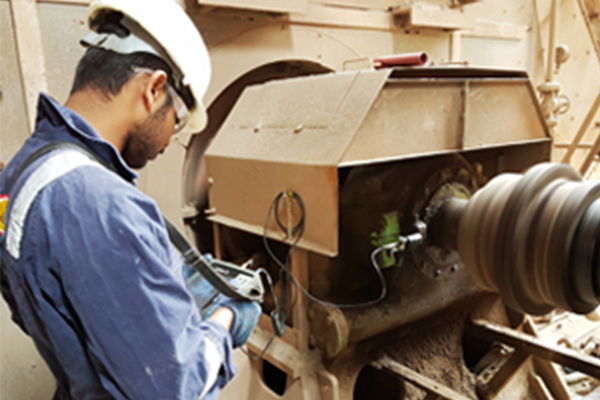
The process typically involves the use of accelerometers or velocity sensors attached to critical points on the machinery. These sensors capture vibration data, which is then processed using specialized software to detect anomalies. By establishing baseline vibration levels and tracking changes over time, maintenance teams can pinpoint issues like imbalance, looseness, bearing defects, or misalignment.

Why Choose Vibration Analysis for Predictive Maintenance?
Implementing predictive maintenance using vibration analysis offers several advantages over traditional maintenance approaches. Unlike reactive maintenance, which addresses failures after they occur, or preventive maintenance, which relies on scheduled interventions, predictive strategies focus on real-time equipment condition. This shift enables organizations to:
- Reduce unplanned downtime by catching problems early
- Lower maintenance costs through targeted repairs
- Extend equipment life by preventing catastrophic failures
- Improve safety by minimizing unexpected breakdowns
- Optimize spare parts inventory by planning replacements based on actual need
Industries such as manufacturing, energy, and processing have seen significant ROI from adopting vibration-based monitoring. For example, in paper mills and food processing plants, early detection of bearing wear or misalignment can prevent costly production stoppages and maintain compliance with safety standards.
Key Steps to Implementing a Vibration-Based Maintenance Program
Launching a successful predictive maintenance initiative with vibration analysis requires careful planning and execution. Here are the essential steps:
- Asset Selection: Identify critical equipment where failure would have the greatest impact. Focus on assets with high repair costs, long lead times, or safety implications.
- Sensor Placement: Install vibration sensors at strategic locations—typically on bearings, shafts, and housings. Proper placement ensures accurate data collection.
- Baseline Data Collection: Record initial vibration readings under normal operating conditions. This baseline serves as a reference for future comparisons.
- Regular Monitoring: Schedule periodic measurements or set up continuous monitoring systems. Consistent data collection is key to detecting gradual changes.
- Data Analysis: Use software tools to analyze vibration spectra and time-waveform data. Look for patterns that indicate specific faults, such as increased amplitude at certain frequencies.
- Actionable Reporting: Generate reports highlighting anomalies and recommended actions. Maintenance teams can then prioritize inspections or repairs based on severity.
For more detailed industry-specific guidance, see how vibration analysis for paper mills is applied to prevent costly breakdowns in high-speed production environments.
Common Faults Detected by Vibration Analysis
Vibration monitoring excels at identifying a range of mechanical issues before they lead to failure. Some of the most common faults detected include:
- Imbalance: Uneven mass distribution in rotating parts causes excessive vibration and premature wear.
- Misalignment: Shafts or couplings that are not properly aligned generate distinctive vibration patterns.
- Bearing Defects: Rolling element bearings produce characteristic frequencies when damaged or worn.
- Looseness: Loose bolts or fittings result in irregular vibration signals.
- Gear Mesh Issues: Faulty gears create harmonics and sidebands in the vibration spectrum.
Early detection of these problems allows for planned interventions, reducing the risk of secondary damage and production losses.
Best Practices for Reliable Vibration Monitoring
To maximize the effectiveness of a predictive maintenance program, consider these best practices:
- Train personnel: Ensure technicians and engineers understand how to install sensors, collect data, and interpret results.
- Use high-quality sensors: Invest in reliable, calibrated equipment for consistent measurements.
- Leverage automated systems: Modern condition monitoring platforms can provide real-time alerts and advanced analytics.
- Integrate with other data sources: Combine vibration data with temperature, oil analysis, or acoustic monitoring for a comprehensive view of asset health.
- Review and update baselines: Re-establish baseline readings after major repairs or upgrades to maintain accuracy.
For a deeper dive into the fundamentals and benefits of vibration-based maintenance, review this comprehensive overview of vibration analysis in industrial settings.
Applications Across Industries
The principles of vibration monitoring are widely applicable across sectors. In pharmaceutical manufacturing, for instance, maintaining uptime and compliance is critical—making vibration analysis for pharmaceutical plants a valuable resource. Similarly, textile mills and food processing facilities benefit from early fault detection to keep production lines running smoothly and safely.
Each industry may face unique challenges, but the underlying approach remains the same: use vibration data to make informed maintenance decisions, reduce risk, and improve operational efficiency.
Frequently Asked Questions
What types of equipment benefit most from vibration-based predictive maintenance?
Rotating machinery such as motors, pumps, compressors, fans, and gearboxes are ideal candidates. These assets are prone to faults that manifest as changes in vibration patterns, making early detection possible.
How often should vibration data be collected?
The frequency depends on asset criticality and operational demands. High-value or high-risk equipment may require continuous monitoring, while less critical assets can be checked weekly or monthly. Establishing a schedule based on risk assessment is recommended.
Can vibration analysis detect all types of machine faults?
While vibration monitoring is highly effective for mechanical issues like imbalance, misalignment, and bearing defects, it may not detect electrical faults or certain process-related problems. Combining it with other condition monitoring techniques provides a more comprehensive maintenance strategy.
Conclusion
Adopting predictive maintenance using vibration analysis empowers organizations to move from reactive to proactive asset management. By leveraging real-time data and advanced analytics, maintenance teams can prevent failures, optimize resources, and achieve greater reliability across their operations. As technology evolves, integrating vibration monitoring with broader condition monitoring systems will continue to drive improvements in safety, efficiency, and cost savings.