
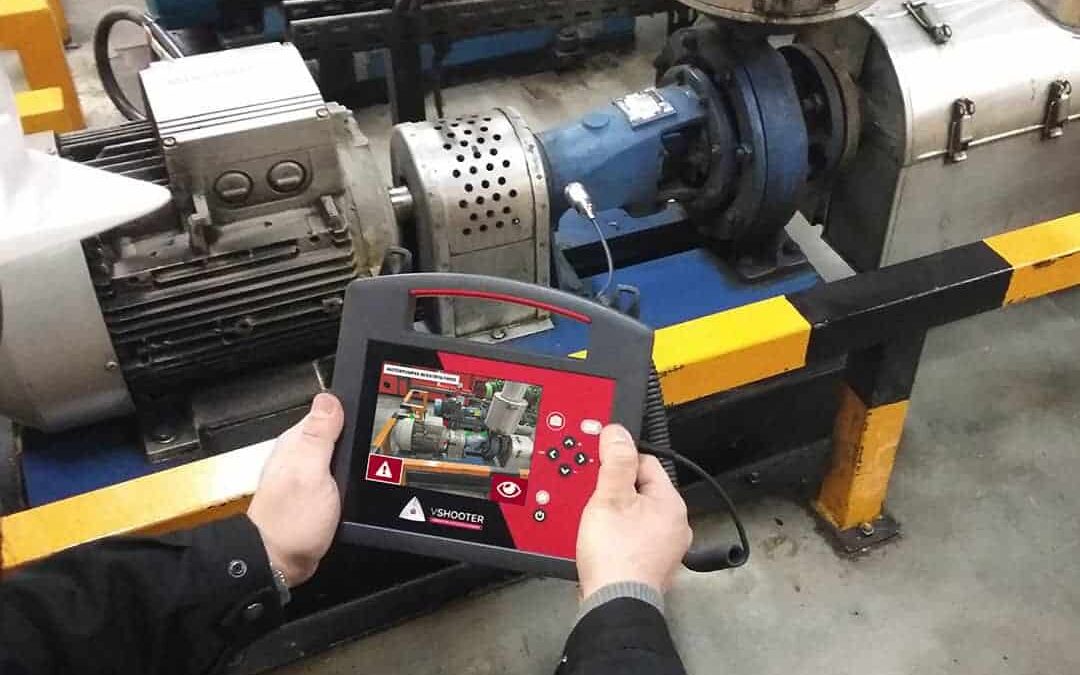
The manufacturing world is undergoing a profound transformation as digital technologies reshape how factories operate. One of the most significant advances is Industry 4.0 vibration monitoring, a smart approach to tracking the health of machinery and infrastructure in real time. By integrating sensors, connectivity, and advanced analytics, this new era of monitoring helps factories prevent breakdowns, reduce maintenance costs, and optimize productivity.
As factories become more automated and interconnected, the need for reliable equipment performance has never been greater. Traditional maintenance strategies—such as scheduled checks or reactive repairs—often fall short, leading to unexpected downtime and costly disruptions. Modern vibration monitoring, powered by Industry 4.0 principles, provides a proactive solution by continuously analyzing machine vibrations to detect early signs of wear, imbalance, or failure.
For industries where uptime is critical—such as power generation, pharmaceuticals, and food processing—the adoption of smart vibration monitoring is quickly becoming a competitive necessity. If you’re interested in sector-specific applications, you can explore how vibration analysis for power plants is helping monitor critical assets and prevent unexpected failures.
Understanding Smart Vibration Analysis in Modern Factories
At its core, vibration monitoring involves measuring the oscillations of machinery components to assess their condition. In the context of Industry 4.0, this process is enhanced by a network of connected sensors, cloud-based platforms, and artificial intelligence. These technologies work together to collect, transmit, and interpret vibration data in real time.
Sensors are installed on key assets—such as motors, pumps, fans, and gearboxes—to capture vibration signatures. These signatures are unique to each machine and can reveal subtle changes caused by misalignment, bearing wear, or imbalance. The data is then transmitted to a centralized platform, where advanced algorithms analyze it for anomalies and trends.
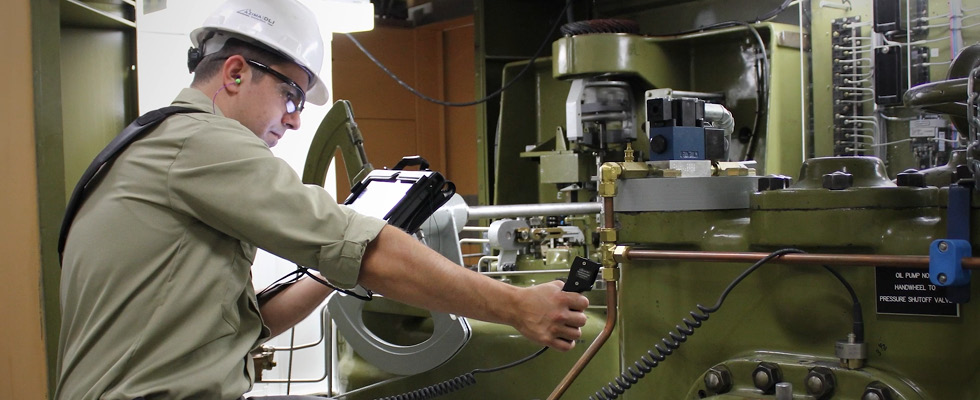
This approach allows maintenance teams to move from reactive or scheduled maintenance to a predictive model. Instead of waiting for a failure or relying on periodic checks, teams receive alerts when a machine’s vibration pattern deviates from the norm, enabling timely intervention.
Key Benefits of Industry 4.0 Vibration Monitoring
Implementing a smart vibration monitoring system offers several compelling advantages for manufacturers:
- Early Fault Detection: Continuous monitoring helps identify problems—such as bearing defects or misalignment—long before they cause a breakdown.
- Reduced Downtime: By catching issues early, factories can schedule maintenance during planned shutdowns, minimizing unplanned outages.
- Lower Maintenance Costs: Predictive maintenance reduces the need for emergency repairs and extends the lifespan of equipment.
- Improved Safety: Detecting mechanical faults early helps prevent hazardous failures that could endanger workers.
- Data-Driven Decisions: Access to real-time machine health data enables better planning and resource allocation.
For industries with specialized needs, such as vibration analysis for paper mills or pharmaceutical plants, tailored monitoring solutions can address unique operational challenges.
How Connected Sensors and Analytics Power Predictive Maintenance
The backbone of Industry 4.0 vibration monitoring is the seamless integration of hardware and software. Here’s how the process typically works:
- Sensor Deployment: Wireless or wired sensors are mounted on critical machinery to capture vibration data across multiple axes.
- Data Transmission: Sensor data is sent to a gateway or directly to the cloud using industrial protocols such as MQTT or OPC UA.
- Data Processing: Cloud platforms aggregate and process the incoming data, applying machine learning algorithms to detect patterns and anomalies.
- Automated Alerts: When abnormal vibration levels are detected, the system sends notifications to maintenance teams via dashboards, emails, or mobile devices.
- Actionable Insights: Historical and real-time data are visualized to support root cause analysis and optimize maintenance schedules.
This connected approach enables factories to shift from time-based maintenance to a truly predictive strategy, maximizing asset reliability and operational efficiency.
Applications Across Diverse Manufacturing Sectors
While the core principles of vibration monitoring remain consistent, the implementation can vary based on industry requirements. For example:
- Power Generation: Monitoring turbines, generators, and pumps for early signs of imbalance or misalignment is crucial for uninterrupted service.
- Food Processing: Ensuring the reliability of mixers, conveyors, and packaging equipment helps maintain safety and uptime. Learn more about vibration analysis for food processing equipment and its impact on safety.
- Textile Manufacturing: Keeping looms and spinning machines running smoothly prevents costly production halts. Explore vibration analysis for textile machinery for more details.
Each sector benefits from customized monitoring strategies that address specific operational risks and compliance requirements.
Challenges and Considerations in Deploying Smart Monitoring
While the advantages are clear, implementing Industry 4.0 vibration monitoring comes with its own set of challenges:
- Integration Complexity: Connecting new sensors to legacy equipment and existing IT infrastructure can require careful planning.
- Data Management: Handling large volumes of sensor data securely and efficiently is essential for actionable insights.
- Skill Gaps: Maintenance teams may need training to interpret vibration data and respond to alerts appropriately.
- Cost: Initial investment in sensors, connectivity, and analytics platforms can be significant, though the long-term savings often outweigh the upfront costs.
To address these challenges, many manufacturers partner with technology providers who offer end-to-end solutions, from sensor installation to cloud analytics and ongoing support.
Future Trends in Industrial Vibration Analysis
The evolution of vibration monitoring is closely tied to advances in artificial intelligence, edge computing, and industrial IoT. Some emerging trends include:
- Edge Analytics: Processing vibration data at the edge (on-site) for faster anomaly detection and reduced bandwidth usage.
- Self-Learning Algorithms: AI models that continuously improve their accuracy by learning from historical machine behavior.
- Integration with Other Condition Monitoring Tools: Combining vibration data with temperature, pressure, and acoustic measurements for a holistic view of machine health.
- Remote Diagnostics: Enabling experts to analyze machine data and recommend actions without being physically present on site.
As these technologies mature, the predictive power and accessibility of vibration monitoring will continue to grow, making it an indispensable tool for smart factories.
How Vibration Analysis Works: A Technical Overview
For those interested in the technical side, vibration analysis involves capturing and interpreting the frequency, amplitude, and phase of machine oscillations. These measurements can indicate specific types of faults. For a deeper dive into the process, see this comprehensive explanation of vibration analysis methods.
The process typically involves:
- Measuring vibration signals with accelerometers or velocity sensors
- Transforming time-domain data into frequency-domain using Fast Fourier Transform (FFT)
- Comparing observed patterns to baseline data or known fault signatures
- Generating actionable alerts based on threshold exceedance or pattern recognition
This combination of hardware and software enables highly accurate, real-time machine health assessments.
Frequently Asked Questions
What types of machines benefit most from vibration monitoring?
Rotating equipment such as motors, pumps, compressors, fans, and gearboxes are prime candidates for vibration monitoring. These assets are critical to factory operations and are prone to faults that can be detected early through vibration analysis.
How does Industry 4.0 improve traditional vibration monitoring?
By leveraging connected sensors, cloud computing, and AI, Industry 4.0 enables continuous, automated monitoring and advanced analytics. This results in faster fault detection, reduced manual effort, and more reliable maintenance planning compared to traditional periodic checks.
Is it difficult to retrofit existing equipment with smart sensors?
Many modern vibration sensors are designed for easy installation on both new and legacy equipment. Wireless options reduce the need for complex wiring, and most systems can be integrated with existing maintenance platforms with minimal disruption.
Industry 4.0 vibration monitoring is rapidly becoming the foundation of proactive maintenance strategies across manufacturing sectors. By embracing these technologies, factories can ensure greater reliability, safety, and efficiency in their operations—now and into the future.