
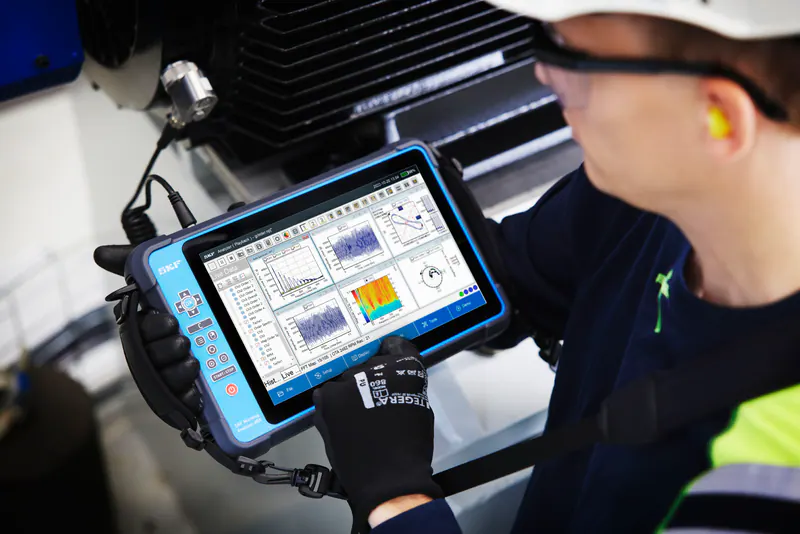
Vibration analysis for motors is a cornerstone of predictive maintenance in industrial environments. By monitoring the vibration patterns of electric motors, maintenance teams can identify early signs of mechanical issues, reduce unexpected downtime, and extend equipment life. This guide explores how vibration monitoring works, the types of faults it can reveal, and practical steps for implementing an effective program.
The health of rotating machinery is critical to productivity in sectors such as manufacturing, energy, and processing. Even minor deviations in vibration can signal developing problems like imbalance, misalignment, or bearing wear. By catching these issues early, organizations can avoid costly repairs and production losses. For those interested in industry-specific applications, you may also want to explore vibration analysis for power plants to see how similar principles are applied in high-stakes environments.
Understanding the Basics of Motor Vibration Monitoring
Electric motors naturally vibrate during operation, but abnormal vibration patterns often indicate underlying mechanical or electrical problems. Vibration analysis for motors involves measuring these movements with sensors, then interpreting the data to detect deviations from normal behavior. The process typically uses accelerometers or velocity sensors mounted on the motor housing or bearings.
The collected data is analyzed in both time and frequency domains. Time-domain analysis helps identify sudden spikes or changes, while frequency-domain analysis (using Fast Fourier Transform, or FFT) reveals specific fault signatures, such as those caused by unbalance or bearing defects.
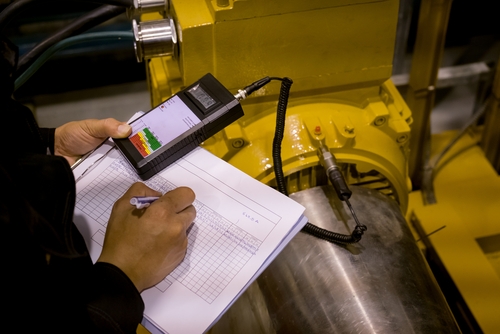
Common Motor Faults Detected Through Vibration Analysis
Routine vibration monitoring can uncover a range of mechanical and electrical issues before they escalate. Some of the most common faults include:
- Imbalance: Uneven mass distribution in the rotor or attached components causes excessive vibration, leading to premature bearing and shaft wear.
- Misalignment: Incorrect alignment between the motor and driven equipment generates axial and radial forces, increasing vibration and reducing efficiency.
- Bearing Defects: Wear, pitting, or lubrication failure in bearings produces characteristic vibration frequencies that can be detected early.
- Looseness: Loose mounting bolts or structural components allow excessive movement, often resulting in broad-spectrum vibration increases.
- Electrical Faults: Issues such as broken rotor bars or stator winding problems can also manifest as unique vibration signatures.
By identifying these problems early, maintenance teams can schedule repairs or replacements during planned downtime, minimizing disruptions and avoiding catastrophic failures.
Benefits of Early Fault Detection in Industrial Motors
Implementing a proactive vibration monitoring program delivers significant operational and financial advantages:
- Reduced Unplanned Downtime: Early detection allows for scheduled maintenance, preventing unexpected breakdowns.
- Lower Repair Costs: Addressing minor issues before they escalate reduces the need for extensive repairs or full motor replacements.
- Extended Equipment Life: Consistent monitoring and timely interventions help maximize the lifespan of motors and associated machinery.
- Improved Safety: Preventing catastrophic failures reduces the risk of injury to personnel and damage to other equipment.
- Optimized Maintenance Planning: Data-driven insights enable more efficient allocation of maintenance resources.
For industries with specialized needs, such as vibration analysis for paper mills or vibration analysis for mining equipment, these benefits are even more pronounced due to the high cost of downtime and the complexity of their machinery.
How to Implement a Vibration Monitoring Program
Establishing an effective vibration analysis routine involves several key steps:
- Asset Selection: Identify critical motors whose failure would have the greatest impact on operations.
- Sensor Installation: Place accelerometers or velocity sensors on strategic locations, such as bearing housings and motor frames.
- Baseline Data Collection: Record vibration signatures under normal operating conditions to establish reference points.
- Regular Monitoring: Schedule periodic measurements, either manually or using automated systems for continuous data collection.
- Data Analysis: Use software tools to analyze vibration data, looking for trends, anomalies, and fault signatures.
- Action and Reporting: When abnormal patterns are detected, initiate maintenance actions and document findings for future reference.
Many organizations start with portable vibration analyzers and progress to online monitoring systems as their needs evolve. The choice depends on the criticality of the assets and available resources.

Key Technologies and Tools Used in Motor Vibration Analysis
Advancements in sensor technology and data analytics have made vibration monitoring more accessible and accurate. Some common tools and technologies include:
- Portable Vibration Meters: Handheld devices for quick spot checks and troubleshooting.
- Online Monitoring Systems: Permanently installed sensors linked to centralized software for real-time data collection and alerts.
- Wireless Sensors: Battery-powered devices that transmit data remotely, reducing installation complexity.
- Cloud-Based Analytics: Platforms that aggregate and analyze vibration data from multiple sites, enabling predictive maintenance across an entire facility.
- Integration with CMMS: Linking vibration data to computerized maintenance management systems for streamlined work order generation and reporting.
For a deeper technical overview, the TWI Global vibration analysis FAQ provides additional insights into the science and application of these methods.
Best Practices for Reliable Motor Condition Monitoring
To maximize the effectiveness of vibration analysis, consider these best practices:
- Consistent Measurement Locations: Always place sensors at the same points to ensure data comparability.
- Regular Training: Equip maintenance staff with the knowledge to interpret vibration data and recognize fault patterns.
- Trend Analysis: Focus on changes over time rather than isolated readings to spot developing issues.
- Integration with Other Techniques: Combine vibration analysis with thermography, ultrasound, and oil analysis for a comprehensive view of motor health.
- Documentation: Keep detailed records of measurements, findings, and corrective actions to build a robust maintenance history.
These strategies help ensure that vibration monitoring delivers actionable insights and supports a proactive maintenance culture.
FAQ: Motor Vibration Analysis and Fault Detection
What are the main causes of abnormal vibration in electric motors?
Abnormal vibration is typically caused by mechanical issues such as imbalance, misalignment, bearing defects, or looseness. Electrical problems, like broken rotor bars or winding faults, can also produce unusual vibration patterns. Regular monitoring helps pinpoint the root cause before it leads to failure.
How often should vibration measurements be taken on industrial motors?
The frequency depends on the criticality of the motor and its operating environment. For essential assets, continuous online monitoring is ideal. For less critical motors, monthly or quarterly manual measurements may be sufficient. Establishing a baseline and tracking trends over time is more important than the exact interval.
Can vibration analysis be used for all types of motors?
Most electric motors, including AC induction, synchronous, and DC motors, can benefit from vibration monitoring. However, the specific fault signatures and recommended sensor placements may vary depending on the motor design and application. Always consult manufacturer guidelines and industry standards for best results.
For further reading on sector-specific approaches, you can explore topics like vibration analysis for pharmaceutical plants or vibration analysis for textile machinery to see how monitoring strategies are tailored for different industries.