
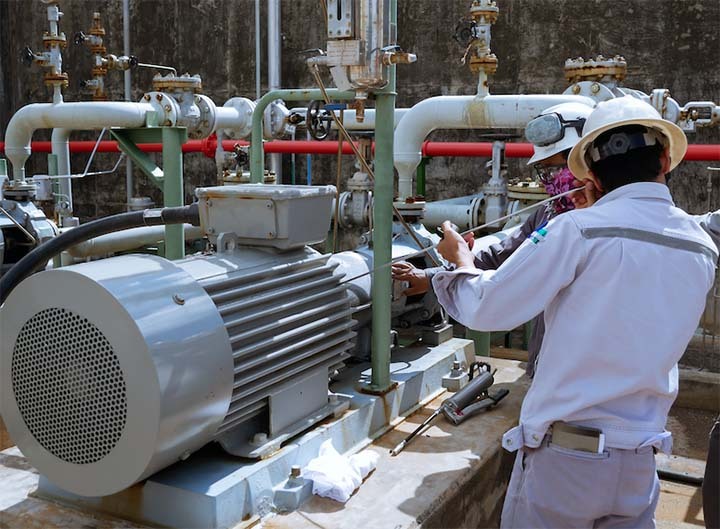
Machine learning in vibration analysis is rapidly transforming how industries monitor and maintain their critical equipment. Traditional vibration monitoring methods, while effective, often rely on manual interpretation and scheduled checks, which can miss subtle early warning signs of mechanical issues. By leveraging artificial intelligence, organizations can detect faults earlier, reduce downtime, and optimize maintenance strategies.
Industries such as manufacturing, energy, and pharmaceuticals are increasingly turning to AI-powered vibration monitoring to improve asset reliability. For example, facilities that require high uptime—like power plants and steel mills—benefit from predictive insights that help prevent costly breakdowns. If you’re interested in how this technology is applied in specific sectors, you can explore vibration analysis for power plants to see how monitoring critical assets is evolving.
Understanding the Role of AI in Vibration Monitoring
Vibration analysis is a cornerstone of predictive maintenance. By measuring and interpreting the vibrations produced by rotating machinery, technicians can identify imbalances, misalignments, bearing faults, and other issues. However, the sheer volume and complexity of vibration data generated by modern sensors can overwhelm traditional analysis methods.
This is where machine learning algorithms excel. AI systems can process large datasets in real time, learning to recognize patterns that indicate emerging faults. Unlike manual approaches, which may miss subtle anomalies or require expert interpretation, AI models can continuously improve as they are exposed to more data, resulting in faster and more accurate fault detection.
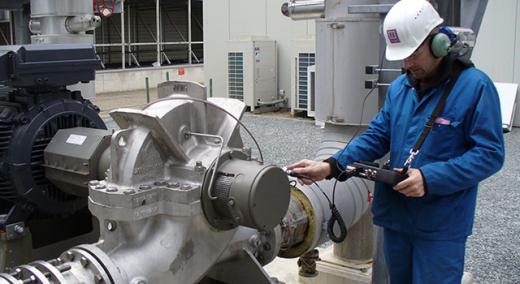
How Machine Learning Enhances Fault Detection
The integration of AI-driven vibration analysis brings several advantages to industrial maintenance:
- Early Fault Detection: Machine learning models can identify minute changes in vibration signatures that might go unnoticed by human analysts, catching problems before they escalate.
- Reduced False Alarms: By learning from historical data, AI systems can distinguish between normal operational variations and genuine anomalies, minimizing unnecessary maintenance actions.
- Continuous Monitoring: AI-powered systems operate around the clock, providing real-time alerts and insights that support proactive maintenance decisions.
- Scalability: Machine learning can handle data from hundreds or thousands of sensors, making it suitable for large-scale industrial environments.
For a deeper dive into the fundamentals and benefits of this approach, you can review IBM’s comprehensive overview of vibration analysis and AI applications.
Key Machine Learning Techniques Used in Vibration Analysis
Several machine learning methods are commonly applied to vibration data:
- Supervised Learning: Algorithms are trained on labeled datasets where known faults are identified. This enables the model to classify new data and predict specific failure types.
- Unsupervised Learning: These techniques, such as clustering and anomaly detection, do not require labeled data. They are effective for discovering unknown patterns or novel faults in vibration signals.
- Deep Learning: Neural networks, especially convolutional and recurrent architectures, can automatically extract features from raw vibration data, improving detection accuracy for complex machinery.
The choice of technique depends on the availability of historical data, the complexity of the equipment, and the specific maintenance goals.

Applications Across Different Industries
The adoption of machine learning in vibration analysis is not limited to a single sector. Here are some notable examples:
- Manufacturing: Factories use AI-powered vibration monitoring to keep assembly lines and heavy machinery running smoothly. In steel production, for instance, predictive analytics help avoid unplanned outages. For more details, see how vibration analysis for steel manufacturing supports heavy asset management.
- Energy: Power plants rely on continuous vibration monitoring to ensure turbines, pumps, and generators operate reliably. AI models can predict failures before they disrupt power generation.
- Pharmaceuticals: In highly regulated environments, maintaining uptime and compliance is crucial. Machine learning helps pharmaceutical plants detect equipment issues early, supporting both productivity and regulatory requirements.
- Textile and Paper Mills: Facilities with complex, high-speed machinery benefit from AI-driven insights that reduce breakdowns and extend equipment life.
Challenges and Considerations When Implementing AI-Based Vibration Monitoring
While the benefits of AI in vibration analysis are significant, organizations should be aware of certain challenges:
- Data Quality: Machine learning models require high-quality, well-labeled data to perform accurately. Inconsistent or noisy sensor data can reduce detection effectiveness.
- Integration with Existing Systems: Deploying AI solutions often involves integrating with legacy monitoring platforms and ensuring compatibility with current workflows.
- Expertise Requirements: Developing and maintaining machine learning models may require specialized knowledge in both data science and mechanical engineering.
- Cost: Initial investments in sensors, data infrastructure, and AI development can be substantial, though these are often offset by long-term savings from reduced downtime.
Despite these hurdles, the trend toward digital transformation and predictive maintenance continues to accelerate, with more organizations recognizing the value of AI-enhanced monitoring.
Best Practices for Adopting Machine Learning in Predictive Maintenance
To maximize the benefits of AI-driven vibration analysis, consider the following best practices:
- Start with a Pilot Project: Begin by applying machine learning to a specific asset or production line to validate the approach and demonstrate ROI.
- Invest in Quality Sensors: Reliable, high-frequency vibration sensors are essential for collecting accurate data.
- Collaborate Across Teams: Involve maintenance engineers, data scientists, and IT professionals to ensure successful implementation and ongoing optimization.
- Continuously Update Models: Machine learning systems should be retrained regularly with new data to adapt to changing equipment conditions and operational environments.
- Monitor Performance: Track key metrics such as false positives, detection rates, and maintenance outcomes to refine your AI strategy over time.
Frequently Asked Questions
What types of faults can AI detect in vibration data?
AI models can identify a wide range of mechanical issues, including bearing wear, shaft misalignment, imbalance, gear defects, and looseness. By analyzing subtle changes in vibration patterns, machine learning systems can often spot these problems earlier than traditional methods.
Is machine learning-based vibration analysis suitable for all industries?
Most industries that rely on rotating or reciprocating machinery can benefit from AI-powered vibration monitoring. This includes manufacturing, energy, pharmaceuticals, textiles, and paper mills. The key is to tailor the solution to the specific equipment and operational requirements of each sector.
How does AI reduce maintenance costs?
By detecting faults earlier and more accurately, machine learning helps organizations shift from reactive to predictive maintenance. This reduces unplanned downtime, extends equipment life, and minimizes unnecessary repairs, all of which contribute to lower maintenance costs over time.
Machine learning in vibration analysis is reshaping the landscape of industrial maintenance. As AI technologies continue to advance, their ability to deliver actionable insights and drive operational efficiency will only grow, making them an essential tool for modern asset management.