

Compressor vibration causes are a leading concern in industrial facilities, manufacturing plants, and HVAC systems. Excessive vibration can lead to equipment damage, reduced efficiency, and unplanned downtime. Understanding the root causes of these vibrations and knowing how to address them is essential for maintaining reliable operations and preventing costly breakdowns.
This article explores the most frequent reasons compressors develop vibration issues, practical troubleshooting steps, and proven solutions. Whether you manage rotating equipment in a power plant or oversee maintenance in a manufacturing facility, identifying and resolving vibration problems early can extend the life of your assets and improve overall system performance.
For those working in sectors like energy, steel, or pharmaceuticals, leveraging vibration analysis for power plants and other industries can provide early warnings of developing issues, allowing for timely intervention and reduced risk of failure.
Why Compressor Vibration Matters
Unwanted vibration in compressors can signal underlying mechanical or operational problems. If left unchecked, these vibrations can accelerate wear, cause misalignment, damage bearings, and even result in catastrophic failure. Addressing vibration not only prevents breakdowns but also ensures energy efficiency and compliance with safety standards.
Main Sources of Compressor Vibration
Several factors contribute to vibration in compressors. Recognizing these sources is the first step toward effective troubleshooting and long-term reliability.
Imbalance in Rotating Components
One of the most common compressor vibration causes is imbalance in the rotating parts, such as the rotor or impeller. Even a small mass difference can create significant centrifugal forces, leading to vibration.
- Build-up of debris or dirt on the rotor
- Manufacturing tolerances not met
- Wear and tear over time
Balancing the rotating assembly and regular cleaning can minimize this issue.

Misalignment of Shafts and Couplings
Misalignment between the compressor shaft and the driver (such as a motor or turbine) is a frequent source of vibration. This can occur due to improper installation, thermal expansion, or foundation settling. Misalignment leads to uneven load distribution, increased wear, and higher vibration levels.
- Parallel misalignment: Shafts are offset but remain parallel
- Angular misalignment: Shafts are at an angle to each other
Precision alignment using laser tools or dial indicators is recommended to correct this problem.
Mechanical Looseness
Loose bolts, worn bearings, or unsecured mounts can cause parts to move excessively, resulting in vibration. This is often characterized by rattling noises and fluctuating vibration readings.
- Check all fasteners and mounting points regularly
- Replace worn or damaged bearings promptly
Routine inspections and torque checks are essential for preventing mechanical looseness.
Other Significant Vibration Triggers
Beyond the primary mechanical issues, several operational and environmental factors can also contribute to vibration in compressors.
Resonance and Structural Weakness
If the natural frequency of the compressor or its mounting structure matches the operating frequency, resonance can occur, amplifying vibration. Structural weaknesses, such as cracks or insufficient support, can exacerbate this effect.
Strengthening the base, adding dampers, or changing the operating speed can help avoid resonance.
Piping Strain and Poor Installation
Improperly supported or misaligned piping can transmit forces to the compressor, causing vibration. This is especially common in systems with rigid piping or inadequate expansion joints.
- Ensure flexible connections are used where needed
- Support piping independently from the compressor
A thorough review of piping layout during installation can prevent these issues.
Operating Conditions and Process Changes
Changes in load, pressure, or temperature can alter the dynamic behavior of a compressor, sometimes resulting in increased vibration. For example, running at off-design conditions or rapid cycling can stress components and lead to instability.
Monitoring process parameters and maintaining stable operating conditions are key to minimizing these effects.
Diagnosing Compressor Vibration Issues
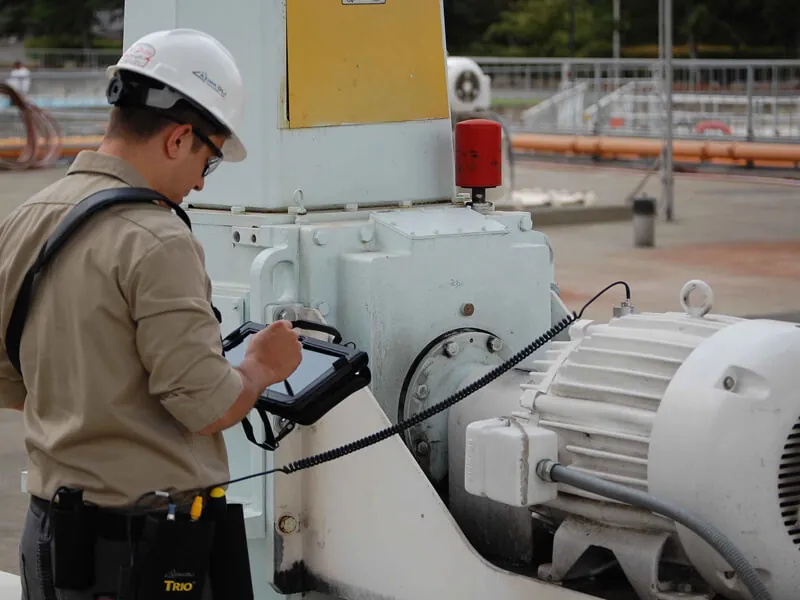
Effective troubleshooting starts with accurate diagnosis. Vibration analysis tools can help pinpoint the source and severity of the problem. Techniques include:
- Measuring vibration amplitude and frequency
- Comparing readings to baseline or manufacturer standards
- Using spectral analysis to identify specific fault signatures
For a deeper dive into advanced monitoring, consider exploring condition monitoring for manufacturing plants as part of a comprehensive maintenance strategy.
How to Fix and Prevent Compressor Vibration
Once the root cause is identified, targeted corrective actions can restore smooth operation and prevent recurrence.
- Balance Rotating Parts: Use dynamic balancing equipment to correct any mass imbalances.
- Align Shafts Accurately: Employ precision alignment tools to ensure proper coupling and shaft alignment.
- Tighten and Secure Components: Regularly inspect and torque all fasteners, replace worn bearings, and secure mounts.
- Address Structural Issues: Reinforce foundations, add vibration isolators, and repair any cracks or weaknesses.
- Review Piping Layout: Install flexible connectors and support piping independently to avoid transmitting forces to the compressor.
- Control Operating Conditions: Maintain stable process parameters and avoid frequent cycling or off-design operation.
Implementing a proactive maintenance plan, including regular vibration monitoring, can help catch issues early and extend equipment life.
Role of Vibration Analysis in Compressor Maintenance
Routine vibration analysis is a powerful tool for detecting early signs of trouble. By tracking vibration trends over time, maintenance teams can schedule repairs before failures occur, reducing downtime and repair costs.
Industries such as steel manufacturing and pharmaceuticals benefit from specialized approaches, like vibration analysis for steel manufacturing and vibration analysis for pharmaceutical plants, to address unique operational challenges.
For a technical overview of vibration monitoring, the vibration analysis guide from Technomax offers detailed insights into methods and best practices.
Frequently Asked Questions
What are the most common signs of compressor vibration problems?
Typical indicators include unusual noises (rattling, humming, or knocking), visible shaking or movement, increased temperature in bearings, and higher-than-normal vibration readings. Early detection is crucial to prevent further damage.
How often should vibration analysis be performed on compressors?
The frequency depends on the criticality of the equipment and operating environment. For most industrial compressors, quarterly or monthly checks are recommended. High-risk or mission-critical assets may require continuous monitoring.
Can vibration issues be fixed without shutting down the compressor?
Some minor adjustments, such as tightening bolts or adding supports, can be done while the compressor is running. However, most corrective actions—like balancing, alignment, or bearing replacement—require a planned shutdown to ensure safety and effectiveness.
Conclusion
Understanding the various compressor vibration causes and implementing targeted fixes is essential for reliable, efficient operation. By combining regular inspections, precision alignment, and advanced vibration analysis, facilities can minimize downtime and extend the lifespan of their compressors. Investing in proactive maintenance and monitoring is a smart strategy for any operation that relies on these critical machines.