

Frequency analysis in predictive maintenance has become an essential approach for industries aiming to minimize unplanned downtime, reduce maintenance costs, and extend the lifespan of critical assets. By examining the frequency components of vibration or acoustic signals from machinery, maintenance teams can detect early signs of wear, imbalance, misalignment, and other mechanical issues before they escalate into failures. This practical guide explores the fundamentals, benefits, and real-world applications of frequency-based techniques for asset reliability.
Modern facilities—ranging from manufacturing plants to power generation and processing industries—are increasingly adopting frequency-based diagnostics as part of their condition monitoring strategies. These methods not only help in identifying potential faults but also enable maintenance teams to plan interventions more efficiently, thus supporting operational continuity and safety.
For those interested in how these techniques are applied in specific sectors, the article vibration analysis for power plants provides a focused look at monitoring critical assets in energy production environments.
Understanding the Role of Frequency Analysis in Maintenance Strategies
At its core, frequency analysis in predictive maintenance involves breaking down the vibration or sound signals emitted by machinery into their constituent frequencies. This process, often performed using Fast Fourier Transform (FFT) algorithms, reveals patterns and anomalies that are not visible in time-domain data alone. By interpreting these frequency spectra, maintenance professionals can pinpoint specific issues such as bearing defects, gear tooth damage, or rotor imbalance.
Unlike traditional time-based maintenance, which relies on scheduled intervals, frequency-based diagnostics enable a more proactive and data-driven approach. This shift reduces unnecessary part replacements and helps prevent catastrophic failures by addressing problems as soon as they emerge.
Key Techniques and Tools for Frequency-Based Diagnostics
Several methods and instruments are used to capture and analyze frequency data from industrial assets. The most common include:
- Vibration Sensors: Accelerometers and velocity sensors are mounted on equipment to capture vibration signals. These sensors provide high-resolution data for frequency analysis.
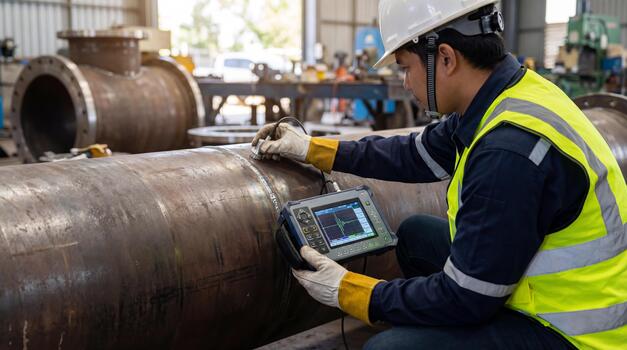
- FFT Analyzers: Portable or online FFT analyzers process the raw vibration signals, converting them into frequency spectra for detailed examination.
- Wireless Monitoring Systems: Modern facilities increasingly use wireless solutions to continuously monitor equipment health and transmit data for remote analysis.
- Specialized Software: Advanced analytics platforms help interpret frequency data, automate fault detection, and generate actionable reports for maintenance teams.

The integration of these tools allows for real-time monitoring and rapid response to emerging issues, making frequency-based approaches a cornerstone of modern asset management.
Common Applications and Benefits in Industrial Settings
Frequency analysis is widely used across various industries to monitor rotating machinery such as motors, pumps, compressors, fans, and turbines. Some of the key benefits include:
- Early Fault Detection: Identifying anomalies in the frequency spectrum enables maintenance teams to detect faults such as bearing wear, shaft misalignment, and looseness at an early stage.
- Reduced Downtime: By addressing issues proactively, organizations can avoid unexpected breakdowns and minimize production losses.
- Optimized Maintenance Scheduling: Maintenance can be planned based on actual equipment condition rather than fixed intervals, leading to cost savings and better resource allocation.
- Improved Asset Lifespan: Timely interventions help extend the life of critical machinery, reducing capital expenditures on replacements.
Industries such as steel manufacturing, pharmaceuticals, and paper production have seen significant improvements in reliability and efficiency by adopting frequency-based monitoring. For example, vibration analysis for steel manufacturing highlights how heavy assets benefit from these techniques.
How Frequency Analysis Detects Common Machinery Faults
One of the main strengths of frequency-based diagnostics is the ability to associate specific frequency patterns with particular types of faults. Here are a few examples:
- Bearing Defects: Defective bearings produce characteristic frequencies related to the geometry of the bearing elements. These frequencies can be calculated and monitored for early warning signs.
- Imbalance: An unbalanced rotor generates vibration at the running speed (1x RPM), which is easily identified in the frequency spectrum.
- Misalignment: Shaft misalignment typically produces vibration at both 1x and 2x running speed, along with higher harmonics.
- Gear Mesh Issues: Gear faults manifest as sidebands around the gear mesh frequency, indicating wear or damage.
By monitoring these frequency signatures, maintenance teams can diagnose and address issues with greater accuracy and speed.
Integrating Frequency-Based Monitoring with Broader Condition Monitoring Programs
While frequency analysis is a powerful tool on its own, its effectiveness increases when integrated with other condition monitoring techniques such as thermography, oil analysis, and ultrasound. This holistic approach provides a more comprehensive view of asset health, enabling organizations to make informed maintenance decisions.
For a deeper dive into how these strategies work together, the resource on condition monitoring for manufacturing plants offers a complete overview of best practices and implementation tips.
Challenges and Best Practices for Implementing Frequency Analysis
Despite its advantages, implementing frequency-based diagnostics comes with challenges. These include ensuring proper sensor placement, managing large volumes of data, and training staff to interpret complex frequency spectra. To maximize the benefits, organizations should:
- Invest in high-quality sensors and data acquisition systems.
- Establish clear protocols for data collection and analysis.
- Provide ongoing training for maintenance personnel in frequency interpretation.
- Leverage software tools to automate fault detection and reporting.
Additionally, integrating frequency-based monitoring with enterprise asset management (EAM) systems can streamline workflows and ensure that insights lead to timely action.
Industry Perspectives and Further Reading
Many industry experts agree that frequency-based diagnostics are essential for modern predictive maintenance programs. For those seeking more technical depth, the article on vibration analysis fundamentals and best practices provides valuable insights into how frequency data is used to maintain equipment reliability.
As technology advances, the adoption of wireless sensors, cloud-based analytics, and machine learning is expected to further enhance the accuracy and accessibility of frequency-based monitoring, making it an indispensable tool for asset-intensive industries.
FAQ: Frequency-Based Diagnostics in Asset Management
What types of equipment benefit most from frequency-based monitoring?
Rotating machinery such as motors, pumps, compressors, fans, and turbines are prime candidates for frequency-based diagnostics. These assets often exhibit early warning signs of failure in their vibration or acoustic signals, making them ideal for this approach.
How often should frequency data be collected for effective predictive maintenance?
The optimal data collection frequency depends on the criticality and operating conditions of the equipment. For high-value or high-risk assets, continuous monitoring is recommended. For less critical machines, periodic measurements—weekly or monthly—may be sufficient.
Can frequency analysis be combined with other condition monitoring techniques?
Yes, integrating frequency-based diagnostics with methods like thermography, oil analysis, and ultrasound provides a more complete picture of asset health. This multi-technology approach improves fault detection accuracy and supports better maintenance planning.
What are the main challenges in interpreting frequency spectra?
Interpreting frequency data requires specialized knowledge and experience. Challenges include distinguishing between normal and abnormal patterns, identifying overlapping fault frequencies, and accounting for changes in operating conditions. Training and advanced analytics software can help address these challenges.
Is wireless monitoring reliable for frequency-based diagnostics?
Wireless monitoring systems have become increasingly reliable and are widely used for frequency-based diagnostics. They offer flexibility, scalability, and real-time data transmission, making them suitable for both new and existing facilities.