
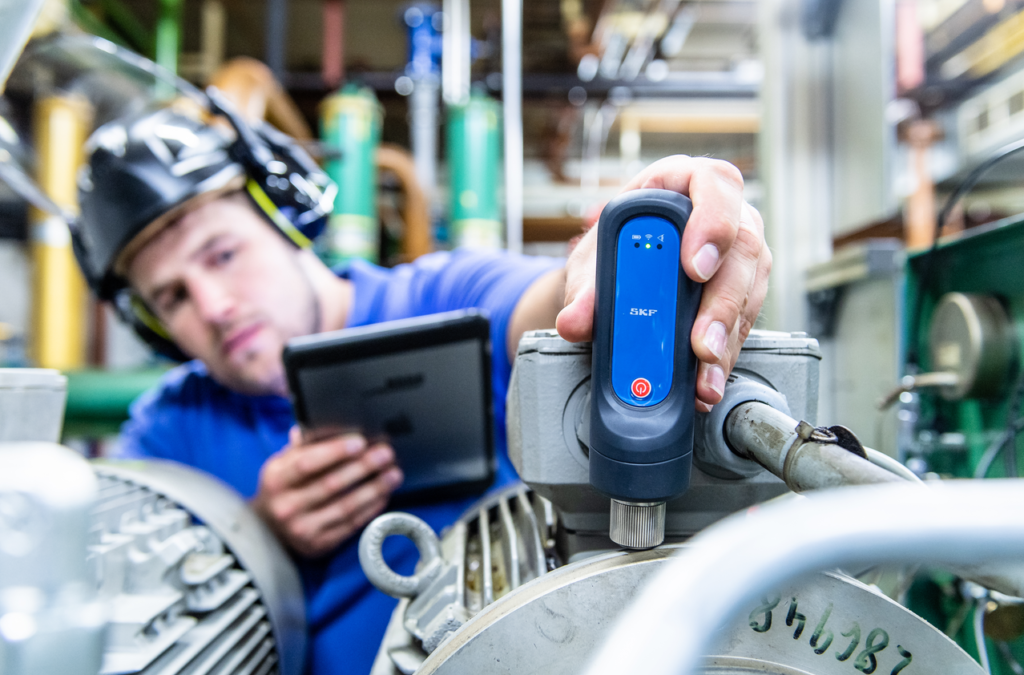
The shift toward cloud based machine monitoring systems is transforming how manufacturers, utilities, and process industries manage their critical assets. By leveraging cloud technology, organizations gain real-time visibility into equipment health, streamline maintenance, and reduce costly downtime. However, implementing these solutions requires careful planning and a clear understanding of both their advantages and potential challenges.
This guide explores the key benefits of adopting cloud-enabled monitoring, important factors to consider before implementation, and practical tips for maximizing value. Whether you operate in power generation, pharmaceuticals, food processing, or textiles, understanding these systems can help you make informed decisions about your asset management strategy.
For a deeper dive into how monitoring can benefit specific industries, see our detailed resource on vibration analysis for power plants.
What Are Cloud-Enabled Machine Monitoring Solutions?
Cloud-enabled monitoring platforms use sensors and industrial IoT devices to collect data from machines, then transmit that data securely to a remote server. This information is processed and visualized through dashboards accessible from anywhere with an internet connection. These systems can track parameters such as vibration, temperature, pressure, and more, providing a comprehensive view of asset health.
Unlike traditional on-premise monitoring, cloud-based approaches eliminate the need for local servers and manual data collection. Instead, they centralize information, making it easier to analyze trends, detect anomalies, and coordinate maintenance activities across multiple sites.
Major Benefits of Cloud Based Machine Monitoring Systems
Adopting a cloud based machine monitoring system offers several compelling advantages for organizations seeking to modernize their maintenance and reliability programs:
- Remote Access and Real-Time Insights: Teams can view equipment status and alerts from any device, enabling faster response to emerging issues.
- Scalability: Cloud infrastructure supports easy expansion as operations grow or new assets are added, without major hardware investments.
- Lower IT Overhead: With no need for on-site servers or complex networking, IT teams spend less time on maintenance and upgrades.
- Centralized Data Management: All sensor data is stored in one place, simplifying analysis, reporting, and compliance documentation.
- Predictive Maintenance Capabilities: Advanced analytics and machine learning can identify patterns that signal impending failures, allowing for proactive intervention.
- Cost Savings: By reducing unplanned downtime and optimizing maintenance schedules, organizations can significantly lower operational expenses.

Key Considerations Before Implementation
While the advantages are clear, successful adoption of cloud-based monitoring requires attention to several critical factors:
- Data Security and Privacy: Sensitive operational data must be protected. Ensure your provider uses strong encryption, secure authentication, and complies with relevant industry standards.
- Integration with Existing Systems: The new platform should work seamlessly with your current maintenance management, ERP, or SCADA systems to avoid data silos.
- Network Reliability: Consistent internet connectivity is essential for uninterrupted data flow. Consider backup solutions for sites with unstable connections.
- User Training and Change Management: Staff may need training to use new dashboards and interpret analytics. Clear communication and support are key to successful adoption.
- Vendor Support and Service Levels: Evaluate the provider’s track record for uptime, customer support, and responsiveness to ensure minimal disruption to operations.
Industry Applications and Use Cases
Cloud-based monitoring is being rapidly adopted across a wide range of industries. Here are a few examples:
- Power Generation: Utilities use cloud-connected sensors to monitor turbines, pumps, and generators, reducing the risk of unexpected outages. Learn more in our article on vibration analysis for power plants.
- Pharmaceutical Manufacturing: Strict regulatory requirements make real-time monitoring essential for compliance and uptime. Explore our resource on vibration analysis for pharmaceutical plants.
- Food Processing: Ensuring equipment reliability is critical for food safety and continuous production. See our guide to vibration analysis for food processing equipment.
- Textile Manufacturing: Monitoring looms and spinning machines helps prevent costly breakdowns. Read about vibration analysis for textile machinery.
- Pulp and Paper: Early detection of bearing and motor issues is vital for continuous operation. Our article on vibration analysis for paper mills provides more detail.

Challenges and How to Address Them
Despite the many benefits, organizations may encounter obstacles when deploying cloud-based monitoring:
- Data Overload: With thousands of data points streaming in, it’s easy to become overwhelmed. Focus on actionable metrics and leverage automated alerts to highlight critical issues.
- Legacy Equipment Compatibility: Not all older machines are equipped for IoT connectivity. Retrofit kits and wireless sensors can bridge the gap, but may require additional investment.
- Cybersecurity Risks: Connecting assets to the cloud increases exposure to cyber threats. Regularly update firmware, use strong passwords, and monitor for unusual activity.
- Initial Setup Costs: While ongoing costs are often lower, the upfront investment in sensors and integration can be significant. Calculate ROI based on reduced downtime and maintenance savings.
For more on how to interpret monitoring data and avoid common pitfalls, see this comprehensive guide to vibration analysis best practices.
Best Practices for Maximizing Value
To get the most from your cloud-based monitoring investment, consider these practical tips:
- Start with Critical Assets: Focus initial deployments on equipment whose failure would cause the greatest disruption or cost.
- Set Clear Objectives: Define what you want to achieve—whether it’s reducing downtime, improving safety, or extending asset life.
- Automate Data Analysis: Use built-in analytics and machine learning features to surface trends and predict failures before they happen.
- Regularly Review and Optimize: Periodically assess system performance, user engagement, and maintenance outcomes to identify areas for improvement.
- Engage Stakeholders: Involve maintenance teams, operators, and IT staff early to ensure buy-in and smooth adoption.
Frequently Asked Questions
How secure are cloud-based monitoring platforms?
Most reputable providers use advanced encryption, multi-factor authentication, and regular security audits to protect your data. Always verify your vendor’s security certifications and ask about their incident response protocols.
Can cloud monitoring work with older machines?
Yes, many solutions offer retrofit sensor kits or wireless modules that can be attached to legacy equipment. This allows you to monitor older assets without replacing them.
What is the typical ROI for these systems?
Return on investment varies by industry and application, but organizations often see payback within 12–24 months through reduced downtime, lower maintenance costs, and improved asset utilization.
How does cloud-based monitoring support predictive maintenance?
By continuously collecting and analyzing machine data, these systems can identify patterns that indicate wear or impending failure. This enables maintenance teams to address issues before they lead to breakdowns, supporting a predictive approach.
The adoption of cloud based machine monitoring systems is rapidly accelerating as organizations seek to improve reliability, reduce costs, and gain a competitive edge. By understanding the benefits and addressing key considerations, you can build a monitoring strategy that delivers long-term value and operational excellence.