

Condition based maintenance in manufacturing has become a cornerstone of modern industrial operations. Instead of relying on fixed schedules or waiting for equipment to fail, this proactive approach uses real-time data to determine exactly when maintenance is needed. By monitoring the actual condition of machinery, manufacturers can reduce downtime, optimize resources, and extend asset life—all while maintaining product quality and safety.
As factories face increasing pressure to boost efficiency and minimize costs, adopting a data-driven maintenance strategy is more important than ever. In this guide, we’ll break down how condition monitoring works, the technologies involved, and the practical steps to implement it successfully. For those interested in specific applications, such as vibration analysis for textile machinery, there are many industry-specific resources available to help tailor the approach to your needs.
Understanding Condition Monitoring in Industrial Settings
At its core, condition monitoring involves collecting and analyzing data from equipment to assess its health. Sensors track parameters like vibration, temperature, pressure, and oil quality. When these indicators move outside normal ranges, it signals that maintenance may be required soon. This method stands in contrast to traditional preventive maintenance, which is based on time or usage intervals rather than actual equipment condition.
The main advantage of this approach is its ability to catch early signs of wear or malfunction before they escalate into costly failures. For example, subtle changes in vibration patterns can reveal misalignment or bearing issues long before a breakdown occurs. By acting on these early warnings, manufacturers can plan interventions at the most opportune times, reducing unplanned stoppages and avoiding unnecessary part replacements.
Key Benefits of Condition Based Maintenance in Manufacturing
Implementing a condition based maintenance strategy brings several tangible benefits to manufacturing operations:
- Reduced Unplanned Downtime: Early detection of issues allows for scheduled repairs, minimizing production interruptions.
- Lower Maintenance Costs: Targeted interventions mean fewer unnecessary part replacements and less labor spent on routine checks.
- Extended Equipment Life: Addressing problems promptly prevents secondary damage and prolongs asset lifespan.
- Improved Safety and Quality: Well-maintained machines operate more reliably, reducing the risk of accidents and product defects.
- Optimized Resource Allocation: Maintenance teams can focus their efforts where they’re needed most, improving overall efficiency.
Core Technologies Powering Modern Maintenance Strategies
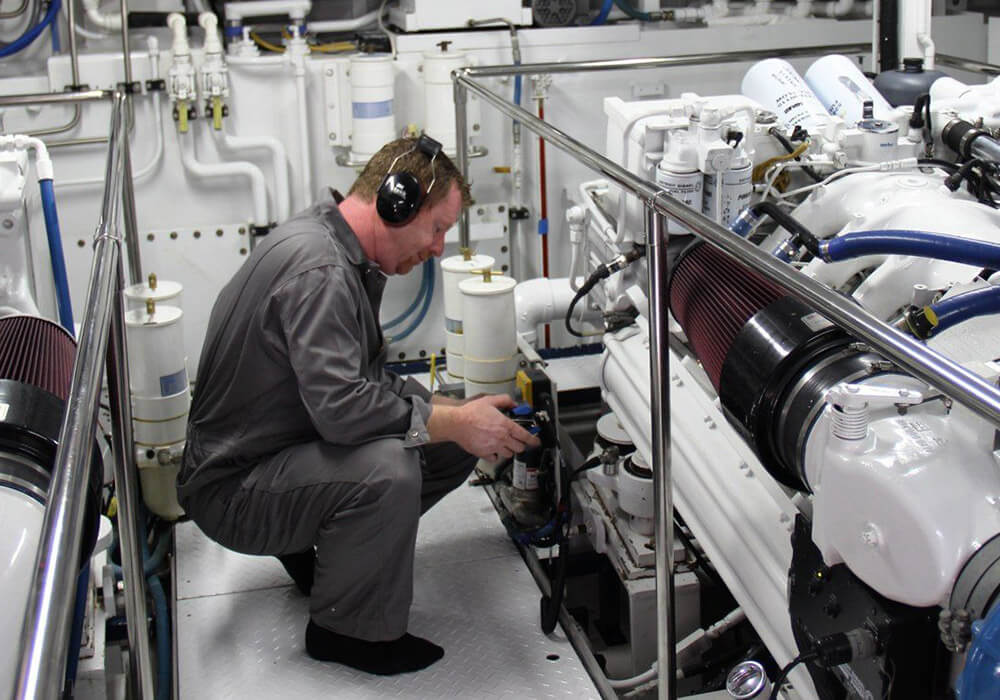
The success of a condition based maintenance in manufacturing program depends on the right mix of monitoring technologies. Some of the most common tools and techniques include:
- Vibration Analysis: Detects imbalances, misalignments, and bearing faults by measuring oscillations in rotating equipment. For a deeper dive, see resources like this beginner’s guide to vibration analysis for predictive maintenance.
- Thermography: Uses infrared cameras to spot abnormal heat patterns, which can indicate electrical faults or mechanical friction.
- Ultrasound Monitoring: Identifies leaks, electrical discharges, and lubrication issues by capturing high-frequency sounds.
- Oil Analysis: Examines lubricant samples for contaminants and wear particles, providing insights into internal component health.
- IoT Sensors and Data Platforms: Wireless sensors and cloud-based analytics enable continuous, remote monitoring and automated alerts.
Integrating these technologies creates a comprehensive picture of machine health, allowing maintenance teams to make informed decisions and prioritize their actions.
Implementing a Condition Monitoring Program: Step-by-Step
Transitioning to a predictive maintenance approach requires careful planning and execution. Here’s a practical roadmap for manufacturers:
- Assess Current Maintenance Practices: Review existing schedules, failure histories, and critical equipment to identify improvement areas.
- Select Suitable Assets: Not all machines require the same level of monitoring. Focus on high-value or failure-prone assets first.
- Choose Monitoring Techniques: Match the right sensors and analysis methods to each asset’s failure modes. For example, machine vibration data interpretation is crucial for rotating equipment.
- Install Sensors and Collect Baseline Data: Set up monitoring devices and gather initial readings to establish normal operating ranges.
- Analyze Data and Set Thresholds: Use analytics tools to identify patterns and define alert levels for each parameter.
- Develop Response Protocols: Create clear procedures for responding to alerts, including inspection, repair, and documentation steps.
- Train Staff and Refine Processes: Ensure maintenance teams understand how to use new tools and interpret data. Continuously review results and adjust strategies as needed.
Common Challenges and How to Overcome Them
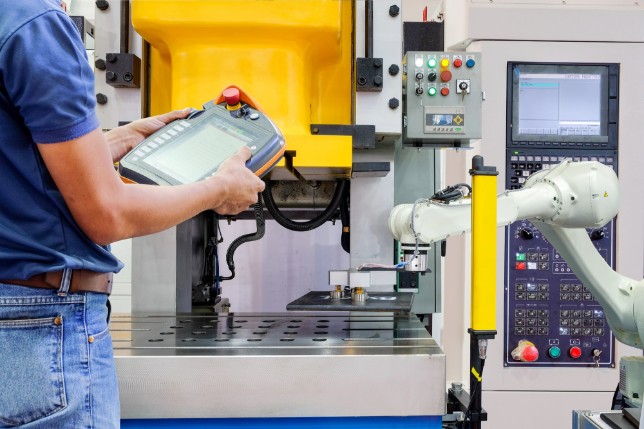
While the benefits are clear, implementing a condition based maintenance program is not without obstacles. Some typical challenges include:
- Data Overload: With sensors generating large volumes of information, it’s easy to become overwhelmed. Prioritize actionable insights and use automated analytics to filter out noise.
- Integration with Legacy Systems: Older machinery may lack built-in sensors. Retrofit solutions or portable monitoring devices can bridge the gap.
- Change Management: Shifting from reactive to predictive maintenance requires a cultural change. Engage stakeholders early, provide training, and highlight quick wins to build support.
- Cost Justification: Upfront investment in sensors and software can be significant. Focus on high-impact assets and track ROI through reduced downtime and maintenance savings.
For more insights on how manufacturers are leveraging these strategies, the article on how factories use condition monitoring provides real-world examples and best practices.
Best Practices for Sustainable Maintenance Programs
To ensure long-term success with predictive maintenance, manufacturers should follow these best practices:
- Start Small, Scale Gradually: Begin with a pilot project on a few critical assets, then expand as you demonstrate value.
- Standardize Data Collection: Use consistent methods and formats to simplify analysis and reporting.
- Collaborate Across Departments: Involve operations, engineering, and IT teams to maximize the benefits of integrated monitoring.
- Continuously Improve: Regularly review program performance, update thresholds, and incorporate feedback from maintenance staff.
- Leverage Advanced Analytics: As your data set grows, explore machine learning and AI tools to predict failures even more accurately.
For organizations interested in expanding their predictive capabilities, exploring sensor based predictive maintenance can provide additional insights and automation opportunities.
Frequently Asked Questions
What is the difference between condition based maintenance and preventive maintenance?
Preventive maintenance relies on scheduled intervals, such as time or usage, to perform routine checks and part replacements. In contrast, condition monitoring uses real-time data to determine when maintenance is actually needed, reducing unnecessary work and catching issues earlier.
Which types of equipment benefit most from condition monitoring?
High-value, mission-critical, or failure-prone assets—such as pumps, motors, compressors, and rotating machinery—see the greatest benefits. These machines often have measurable parameters like vibration or temperature that can be tracked for early warning signs.
How can manufacturers get started with predictive maintenance?
Begin by identifying critical assets, selecting appropriate monitoring technologies, and piloting the program on a small scale. Use the results to refine your approach, train staff, and gradually expand to cover more equipment.