
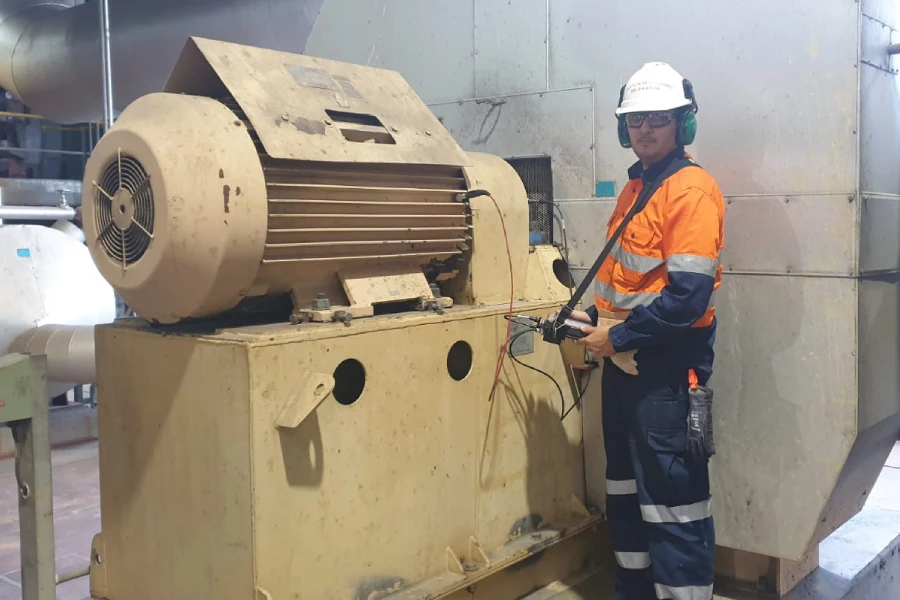
Modern manufacturing is evolving rapidly, and factory maintenance digitalization is at the heart of this transformation. By leveraging digital tools and data-driven strategies, facilities can improve reliability, reduce downtime, and optimize costs. However, starting this journey can seem overwhelming, especially for teams used to traditional maintenance practices. This article provides a clear roadmap for organizations ready to embrace digital maintenance, highlighting the first steps, common challenges, and practical solutions.
Before diving into the essentials, it’s worth exploring how digitalization is already making a difference in various industries. For example, advanced techniques like vibration analysis for power plants are helping teams monitor critical assets and prevent unexpected failures. These real-world applications demonstrate the tangible benefits of adopting digital maintenance solutions.
Understanding the Basics of Digital Maintenance
At its core, factory maintenance digitalization means using digital technologies to plan, monitor, and execute maintenance activities. This shift moves teams away from paper logs and manual inspections toward automated data collection, real-time monitoring, and predictive analytics. The goal is to make maintenance more proactive, efficient, and informed by actual equipment conditions.
Key components of a digital maintenance strategy include:
- Asset data management: Centralized databases for equipment history, manuals, and maintenance records.
- Condition monitoring: Sensors and software that track equipment health in real time.
- Predictive analytics: Algorithms that analyze trends and forecast potential failures.
- Mobile access: Tablets and smartphones for technicians to access information and report issues on the go.
Why Start the Digitalization Journey?
There are several compelling reasons to begin digitalizing maintenance operations:
- Reduced unplanned downtime: Early detection of issues allows for scheduled repairs, minimizing disruptions.
- Lower maintenance costs: Predictive strategies help avoid unnecessary part replacements and labor hours.
- Improved asset lifespan: Monitoring and timely interventions extend equipment life.
- Enhanced safety and compliance: Digital records and alerts support regulatory requirements and safer work environments.
Companies that have adopted digital maintenance methods often report significant improvements in efficiency and reliability. For example, industries such as steel manufacturing and pharmaceuticals are leveraging vibration analysis for steel manufacturing and vibration analysis for pharmaceutical plants to maintain uptime and compliance.
Assessing Your Readiness for Digital Transformation
Before implementing new technologies, it’s important to assess your current maintenance processes and identify areas for improvement. Consider the following steps:
- Evaluate existing practices: Are maintenance activities mostly reactive, or is there already some preventive planning?
- Inventory assets and data: Do you have up-to-date records of equipment, maintenance history, and failure patterns?
- Identify pain points: Where do breakdowns, delays, or inefficiencies occur most frequently?
- Engage stakeholders: Involve technicians, engineers, and management in discussions about digitalization goals and challenges.
This assessment will help you set realistic objectives and prioritize which processes to digitalize first. For many organizations, starting with condition monitoring or digital work order management offers quick wins and valuable insights.
Choosing the Right Tools and Technologies
The digital maintenance landscape offers a wide range of solutions, from simple mobile apps to advanced IoT platforms. When selecting tools, focus on scalability, ease of integration, and user-friendliness. Some common options include:
- Computerized Maintenance Management Systems (CMMS): Centralizes work orders, inventory, and maintenance schedules.
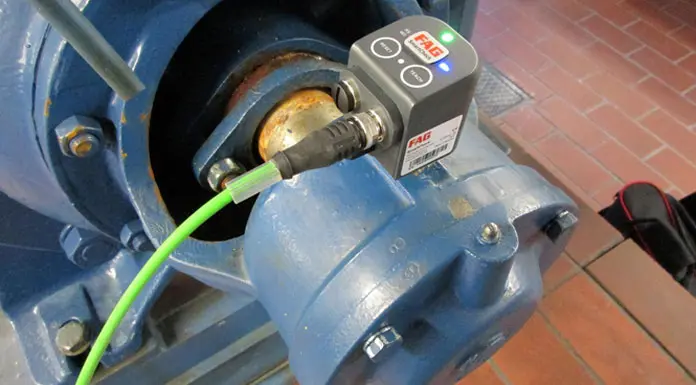
- Condition monitoring sensors: Devices that track vibration, temperature, and other parameters to detect early signs of equipment issues.
- Predictive maintenance software: Uses machine learning to analyze sensor data and predict failures.
- Mobile inspection apps: Enable technicians to log inspections and access manuals from the field.
For example, condition monitoring for manufacturing plants is a foundational step that provides real-time visibility into asset health and supports data-driven decision-making.
Building a Data-Driven Maintenance Culture
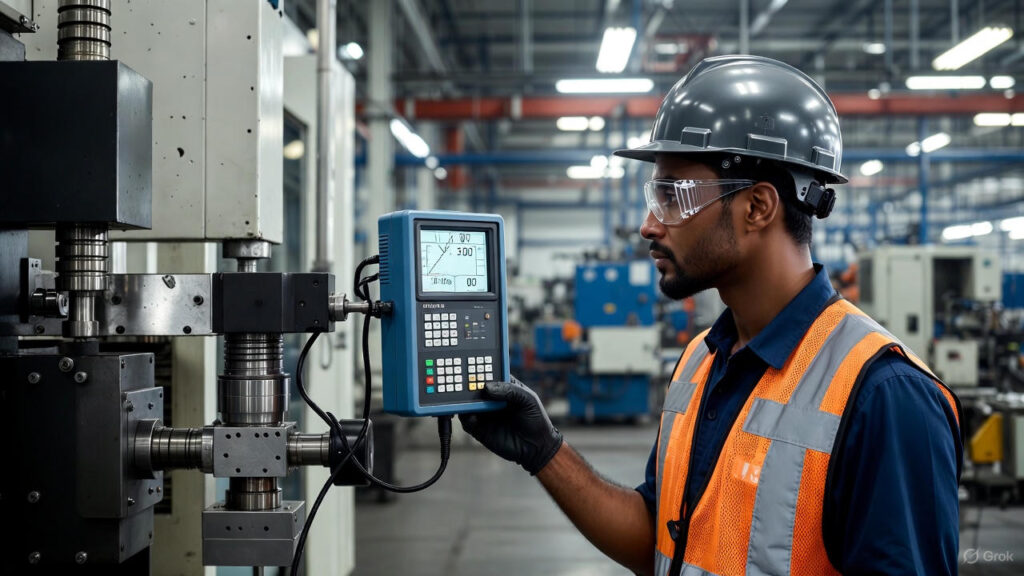
Technology alone isn’t enough to ensure a successful transition. A digital maintenance program requires a shift in mindset and culture. Here’s how to foster adoption and maximize value:
- Train and empower staff: Provide training on new tools and emphasize the benefits of data-driven maintenance.
- Promote collaboration: Encourage open communication between maintenance, operations, and IT teams.
- Set clear KPIs: Track metrics such as mean time between failures (MTBF), maintenance response times, and cost savings.
- Celebrate quick wins: Share success stories and early results to build momentum and buy-in.
Regularly review progress and adjust strategies based on feedback and performance data. This approach helps ensure continuous improvement and long-term success.
Common Challenges and How to Overcome Them
Transitioning to digital maintenance can present several obstacles, including:
- Resistance to change: Address concerns by involving staff early and demonstrating tangible benefits.
- Data quality issues: Start with a thorough audit of existing records and establish clear data entry standards.
- Integration complexity: Choose solutions that can connect with your current systems or offer open APIs.
- Budget constraints: Prioritize high-impact areas and consider phased implementation to spread costs.
Learning from industry best practices can help. For example, this overview of vibration analysis in maintenance highlights how digital tools can detect faults early and prevent costly breakdowns, making a strong case for investment.
Practical Steps to Get Started
Embarking on a digital maintenance journey doesn’t require a complete overhaul overnight. Here’s a practical roadmap to help you begin:
- Define your objectives: Clarify what you want to achieve—reduced downtime, cost savings, improved compliance, or all of the above.
- Start small: Pilot digital solutions on a single production line or asset group to demonstrate value and refine processes.
- Engage your team: Involve technicians and supervisors in tool selection, training, and feedback.
- Measure and iterate: Use KPIs to track progress, identify bottlenecks, and scale successful initiatives across the facility.
By taking incremental steps and focusing on real business needs, organizations can build a solid foundation for ongoing digital transformation.
FAQ
What is the first step in digitalizing factory maintenance?
The initial step is to assess your current maintenance processes and identify areas where digital tools can provide immediate value. This often involves inventorying assets, reviewing maintenance records, and pinpointing pain points such as frequent breakdowns or inefficient scheduling.
How can digital maintenance reduce costs?
Digital maintenance strategies, such as predictive analytics and real-time monitoring, help detect issues early, allowing for planned repairs and reducing emergency downtime. This proactive approach minimizes unnecessary part replacements and labor costs, leading to significant savings over time.
What are some common challenges when adopting digital maintenance?
Organizations often face resistance to change, data quality issues, integration challenges, and budget constraints. Overcoming these obstacles requires strong leadership, clear communication, staff training, and selecting scalable, user-friendly technologies.