
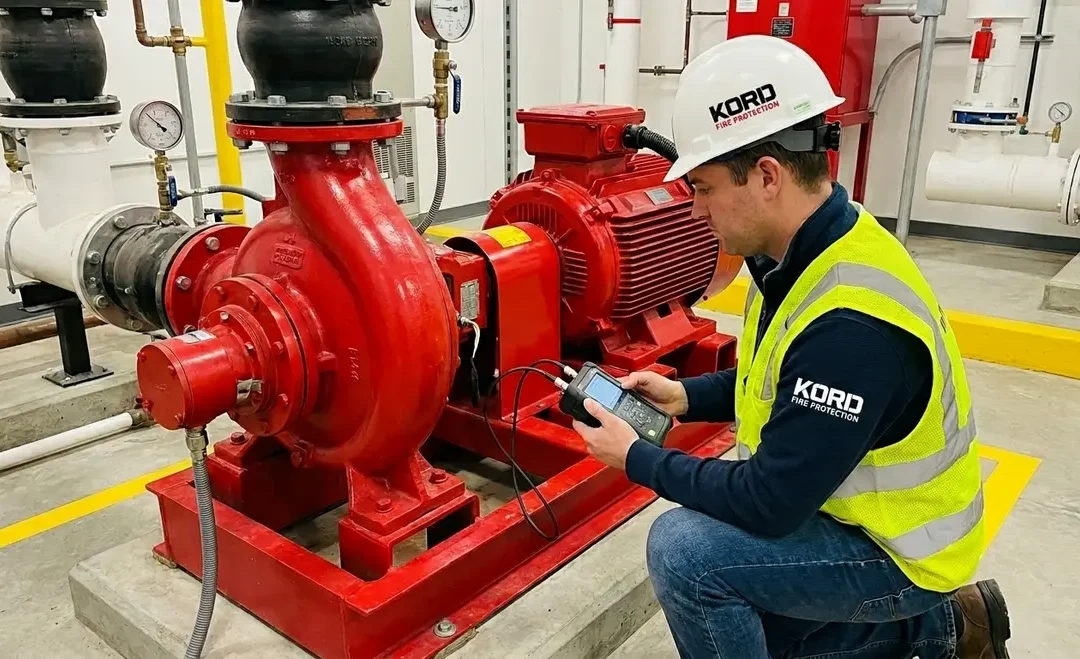
Addressing fan imbalance is essential for maintaining the reliability and efficiency of industrial and commercial ventilation systems. Imbalances can lead to increased vibration, premature bearing wear, excessive noise, and even catastrophic equipment failure if left unchecked. This fan imbalance troubleshooting guide provides a practical approach to diagnosing and correcting these issues, helping maintenance teams and facility managers keep their systems running smoothly.
Understanding the causes and solutions for fan imbalance not only extends equipment lifespan but also improves safety and reduces operational costs. For those working in environments where vibration monitoring is critical, exploring related topics like vibration analysis for power plants can provide further insights into predictive maintenance strategies.
Understanding Fan Imbalance and Its Impact
Fan imbalance occurs when the mass of a fan’s rotating assembly is distributed unevenly around its axis of rotation. This uneven distribution can be caused by manufacturing defects, material buildup, wear and tear, or improper installation. The result is excessive vibration, which can damage not only the fan itself but also connected ductwork, supports, and nearby equipment.
Common symptoms of imbalance include:
- Noticeable vibration during operation
- Unusual or increased noise levels
- Premature bearing or shaft wear
- Loosened mounting bolts or cracked supports
- Reduced airflow or efficiency
Ignoring these warning signs can lead to costly repairs and unplanned downtime. Early detection and correction are key.
Initial Steps in Fan Imbalance Troubleshooting
A systematic approach is vital when addressing fan imbalance. Begin with a thorough visual inspection and basic checks before moving on to more advanced diagnostic techniques.
- Safety First: Ensure the fan is powered down and locked out before any inspection or maintenance.
- Visual Inspection: Look for signs of physical damage, dirt or debris buildup, and loose or missing hardware.
- Check Alignment: Misalignment between the fan and motor can mimic imbalance symptoms. Confirm that couplings and pulleys are properly aligned.
- Inspect Bearings: Worn or damaged bearings can cause vibration. Rotate the fan by hand to feel for roughness or play.
- Clean Components: Remove dust, grease, or foreign material from blades and housings, as buildup can create imbalance.
If these steps do not resolve the issue, proceed to more detailed vibration analysis.
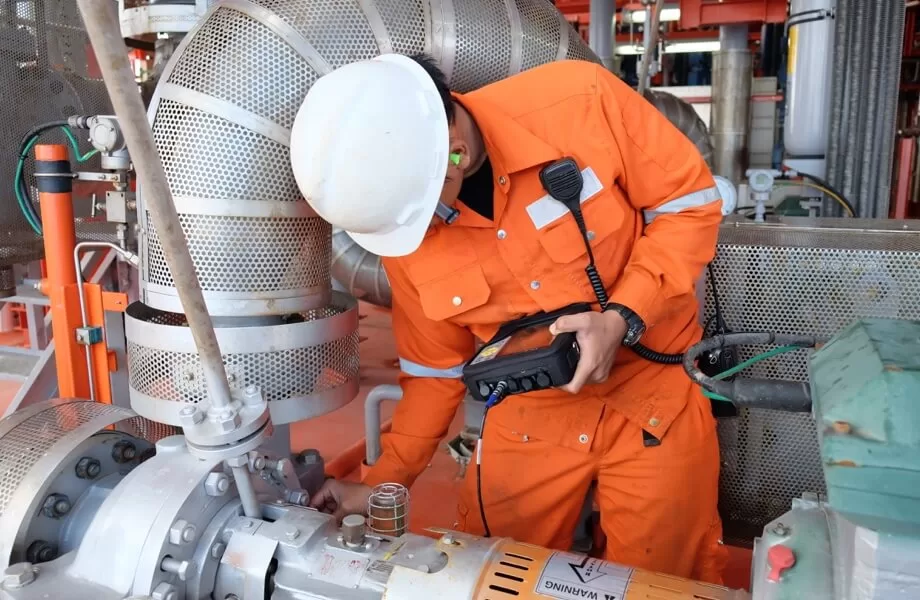
Vibration Analysis for Diagnosing Imbalance
Vibration analysis is a powerful tool for pinpointing the source and severity of fan imbalance. By measuring vibration amplitude and frequency, technicians can distinguish between imbalance and other issues such as misalignment or mechanical looseness.
Key steps in vibration analysis include:
- Attaching vibration sensors to the fan housing and bearings
- Recording vibration data at various speeds and loads
- Comparing readings to manufacturer specifications or baseline data
- Identifying characteristic vibration patterns associated with imbalance (typically a dominant frequency at 1x running speed)
For those interested in a deeper dive into predictive maintenance and vibration monitoring, resources like this beginner’s guide to predictive maintenance offer valuable background and techniques.
Common Causes of Fan Imbalance
Understanding the root causes of imbalance helps in both diagnosis and prevention. Typical contributors include:
- Manufacturing Defects: Uneven material distribution or machining errors in the fan blades or hub.
- Material Buildup: Accumulation of dust, grease, or other substances on one side of the blades.
- Blade Damage: Bent, cracked, or missing blades disrupt balance.
- Wear and Tear: Gradual erosion or corrosion of fan components over time.
- Improper Repairs or Modifications: Unbalanced replacement parts or unauthorized modifications.
Regular inspection and cleaning are the best defenses against many of these issues.
Correcting Fan Imbalance: Practical Solutions
Once the source of imbalance is identified, corrective measures can be taken. The most common methods include:
- Cleaning: Remove all foreign material from blades, hub, and housing.
- Blade Repair or Replacement: Straighten bent blades, replace damaged or missing ones, and ensure all blades are identical in weight and shape.
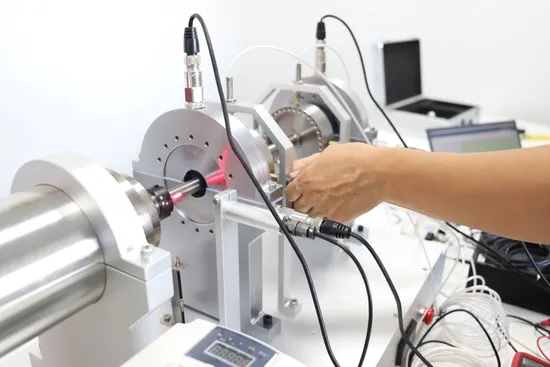
- Field Balancing: Add or remove weight from specific locations on the fan assembly. This may involve attaching balancing weights or grinding small amounts of material from heavy spots.
- Professional Balancing Services: For large or critical fans, consider using specialized balancing equipment or contracting a professional service to achieve precise balance.
After corrective action, always re-test the fan to confirm that vibration levels have returned to acceptable limits.
Preventive Measures and Best Practices
Preventing fan imbalance is more cost-effective than repeated troubleshooting and repair. Consider implementing these best practices:
- Routine Inspections: Schedule regular checks for buildup, damage, and wear.
- Predictive Maintenance: Use vibration monitoring tools to detect early signs of imbalance and other faults. For more on this, see our guide on sensor based predictive maintenance.
- Proper Installation: Ensure fans are installed according to manufacturer guidelines, with correct alignment and secure mounting.
- Training: Equip maintenance staff with the knowledge and tools needed for effective inspection and balancing.
Consistent application of these strategies will reduce downtime and extend the life of your ventilation equipment.
Advanced Troubleshooting: When to Seek Expert Help
While many imbalance issues can be resolved in-house, some situations require specialized expertise or equipment:
- Persistent or severe vibration after standard corrections
- Complex multi-fan systems with interacting vibrations
- Fans in critical applications where failure is not an option
- Unusual vibration patterns that do not match typical imbalance signatures
In these cases, professional vibration analysts can provide in-depth diagnostics and balancing services, often using advanced tools such as laser alignment systems and dynamic balancing machines.
Integrating Fan Imbalance Troubleshooting with Broader Maintenance Strategies
Addressing fan imbalance is just one aspect of a comprehensive maintenance program. Integrating it with broader approaches—such as industrial IoT maintenance applications and machine vibration data interpretation—can further enhance reliability and efficiency. By leveraging data-driven insights and predictive analytics, organizations can move from reactive repairs to proactive asset management.
FAQ
What are the main signs that a fan is out of balance?
The most common indicators include increased vibration, unusual noises, premature bearing or shaft wear, and visible movement of the fan or its supports during operation. If you notice these symptoms, it’s important to investigate promptly to prevent further damage.
How often should fans be checked for imbalance?
Routine inspections should be conducted at least quarterly for most industrial fans, or more frequently in harsh or dusty environments. Incorporating vibration monitoring into your maintenance schedule can help detect issues before they become severe.
Can I balance a fan myself, or do I need professional help?
Minor imbalance issues, such as those caused by dirt buildup or minor blade damage, can often be corrected in-house with basic tools. However, for persistent or complex problems, or when precise balancing is required, it’s best to consult a professional with specialized equipment.
Is vibration always caused by imbalance?
No, other factors such as misalignment, mechanical looseness, or bearing defects can also cause vibration. Proper diagnosis—including vibration analysis—is necessary to determine the true cause and select the appropriate corrective action.
By following the steps and best practices outlined in this fan imbalance troubleshooting guide, you can minimize downtime, reduce maintenance costs, and ensure the long-term reliability of your ventilation systems.