
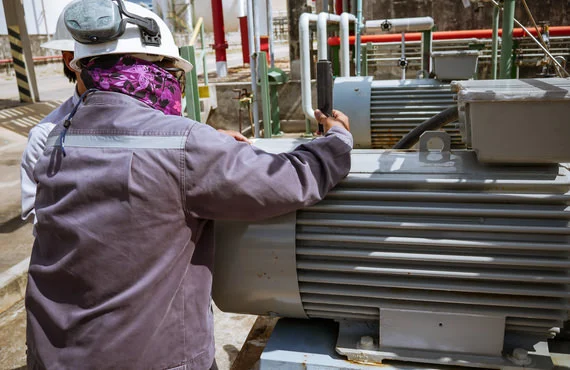
Understanding how temperature affects machine vibration is essential for anyone involved in industrial maintenance, reliability engineering, or condition monitoring. Temperature fluctuations can influence the mechanical behavior of rotating equipment, impact sensor accuracy, and even lead to misinterpretation of diagnostic data. Whether you manage power plants, manufacturing lines, or critical process assets, knowing the interplay between heat and vibration is key to preventing costly downtime and ensuring accurate monitoring.
In this guide, we’ll explore the science behind temperature’s impact on vibration, how sensor readings can be skewed, and what practical steps can be taken to minimize errors. For those working in sectors like energy, manufacturing, or pharmaceuticals, this knowledge is vital for making informed decisions about asset health and predictive maintenance strategies.
For industry-specific insights, see how vibration analysis for power plants supports monitoring of critical assets in challenging environments.
Why Temperature Matters in Vibration Monitoring
Temperature changes can have a direct and indirect effect on vibration in machinery. As components heat up or cool down, their physical properties—such as stiffness, density, and lubrication—can change. These shifts may alter the way vibrations are generated, transmitted, and detected by sensors.
- Material Expansion: Metals and other machine parts expand with heat, potentially changing alignment and increasing vibration levels.
- Lubrication Viscosity: Higher temperatures thin lubricants, reducing their ability to dampen vibrations and increasing wear.
- Component Fatigue: Repeated thermal cycling can cause fatigue, leading to cracks or looseness that elevate vibration signatures.
These factors make it clear that temperature is not just a background variable—it’s a dynamic force that can alter machine behavior and the reliability of vibration data.
Impact of Temperature on Vibration Sensor Accuracy
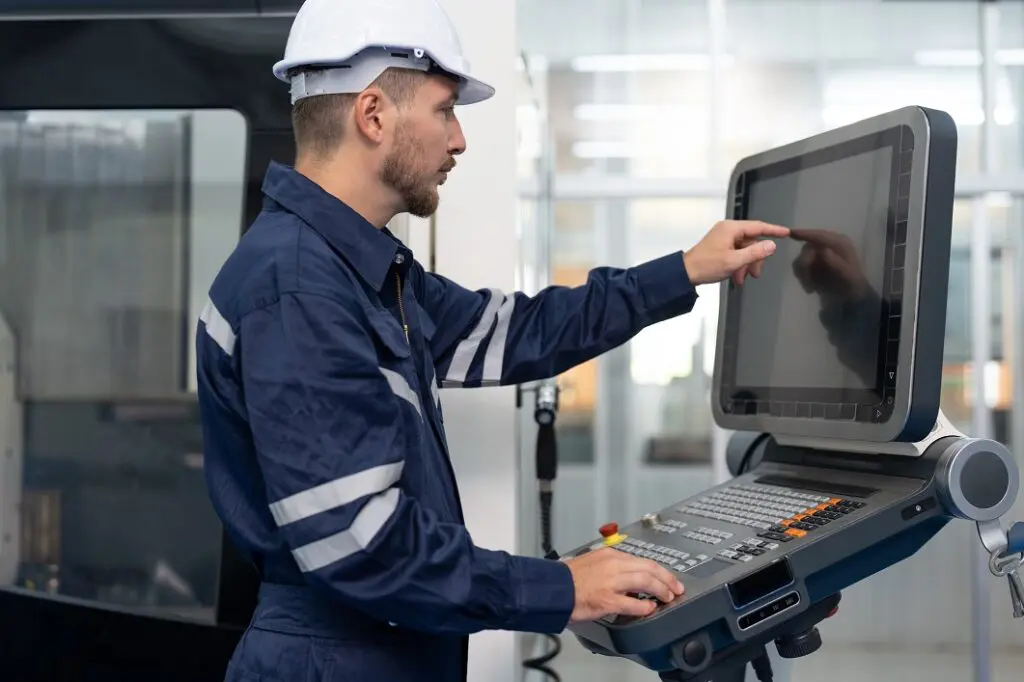
Vibration sensors, such as accelerometers and velocity transducers, are designed to operate within specific temperature ranges. When exposed to temperatures outside these limits, their readings can become unreliable. Here’s how:
- Sensor Drift: As temperature rises, the sensitivity of piezoelectric elements in accelerometers can change, leading to signal drift or offset errors.
- Electronic Noise: High temperatures increase electrical noise in sensor circuits, potentially masking true vibration signals.
- Adhesive and Mounting Issues: Thermal expansion can weaken sensor mounting or adhesives, causing poor coupling and inaccurate data.
For accurate monitoring, it’s crucial to select sensors rated for the expected temperature range and to account for environmental changes during data interpretation.
Thermal Effects on Machine Components and Vibration Patterns
Heat doesn’t just affect sensors—it also changes the machine itself. Bearings, shafts, housings, and other parts all respond to temperature in ways that can alter vibration patterns. Some common effects include:
- Bearing Clearance: As bearings heat up, clearances can increase or decrease, changing the vibration signature and potentially leading to misdiagnosis.
- Shaft Alignment: Thermal growth can cause shafts to bend or misalign, resulting in higher vibration amplitudes and new frequency components.
- Resonance Shifts: The natural frequencies of machine structures can shift with temperature, making resonance conditions more likely at certain times.
These changes highlight the importance of considering temperature when analyzing vibration data, especially when comparing readings taken at different times or under varying load conditions.
Best Practices for Managing Temperature Influences in Vibration Analysis
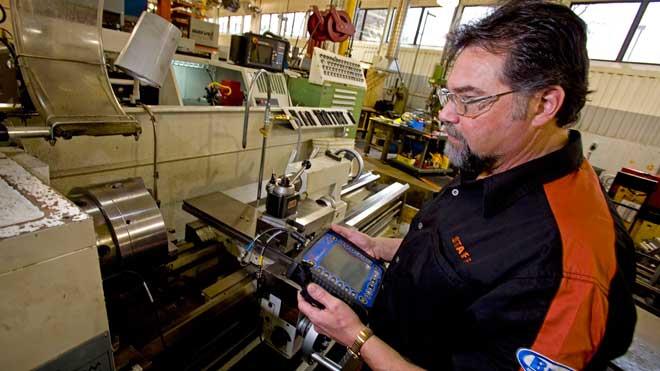
To ensure reliable condition monitoring, it’s important to minimize the impact of temperature on both machine vibration and sensor readings. Here are some practical steps:
- Monitor Ambient and Surface Temperatures: Always record the temperature at the time of vibration measurement. Use this data to interpret trends and anomalies accurately.
- Use Temperature-Compensated Sensors: Select sensors with built-in compensation or those specifically rated for high-temperature environments.
- Standardize Measurement Conditions: Whenever possible, collect vibration data under similar temperature and load conditions to ensure comparability.
- Schedule Measurements Strategically: Take baseline readings when the machine is at steady-state temperature, not during warm-up or cool-down periods.
- Regularly Inspect Sensor Mounts: Check for signs of adhesive breakdown or mounting looseness, especially after thermal cycling.
Following these practices can help reduce errors and improve the reliability of your vibration monitoring program.
Industry Applications: Temperature and Vibration Across Sectors
The relationship between heat and vibration is relevant across many industries. For example, in steel manufacturing, high process temperatures can complicate vibration analysis, requiring robust sensors and careful data interpretation. In food processing, temperature swings during cleaning cycles may affect equipment alignment and sensor performance. Even in pharmaceutical plants, where compliance is critical, temperature control is vital for accurate asset monitoring.
If you’re interested in sector-specific approaches, explore resources like vibration analysis for steel manufacturing or vibration analysis for food processing equipment for more targeted guidance.
Common Challenges and Solutions in High-Temperature Environments
Facilities operating in extreme heat—such as power plants, refineries, or foundries—face unique challenges. Standard sensors may fail or provide unreliable data, and thermal gradients can cause rapid changes in machine behavior. Some solutions include:
- High-Temperature Sensors: Use devices specifically designed for elevated temperatures, often with ceramic or specialty piezoelectric elements.
- Remote Sensing: Employ wireless or fiber-optic sensors to keep electronics away from heat sources.
- Protective Mounting: Install thermal shields or cooling jackets to protect sensors and wiring.
For more in-depth technical information, the article vibration analysis fundamentals provides a comprehensive overview of best practices and sensor selection for challenging environments.
Interpreting Vibration Data: Accounting for Temperature Effects
When reviewing vibration data, always consider the context of temperature. Sudden spikes or shifts in vibration amplitude may be linked to thermal expansion, lubricant thinning, or sensor drift rather than mechanical faults. Comparing data across different temperature conditions without adjustment can lead to false alarms or missed warnings.
To improve diagnostic accuracy:
- Correlate vibration trends with temperature logs.
- Use software tools that allow for temperature compensation or filtering.
- Establish temperature-corrected alarm thresholds for critical assets.
This approach ensures that maintenance decisions are based on true machine health, not environmental noise.
FAQ: Temperature and Machine Vibration
How does heat affect the accuracy of vibration sensors?
Heat can cause sensor drift, increase electronic noise, and weaken mounting adhesives, all of which can reduce the accuracy of vibration measurements. Using temperature-compensated sensors and monitoring environmental conditions can help mitigate these issues.
What are the signs that temperature is impacting vibration readings?
Signs include unexpected changes in vibration levels during warm-up or cool-down, inconsistent readings between similar machines, or data that correlates closely with temperature fluctuations rather than load or speed changes.
Can temperature changes cause false vibration alarms?
Yes, temperature-induced changes in machine components or sensor output can trigger false alarms if alarm thresholds are not adjusted for environmental conditions. It’s important to factor in temperature when setting and interpreting vibration alarms.
What industries are most affected by temperature-vibration interactions?
Industries with high-temperature processes—such as power generation, steel production, and food processing—are particularly affected. However, any sector with significant temperature variation can experience these challenges.
How can maintenance teams minimize temperature-related errors?
By standardizing measurement conditions, using appropriate sensors, regularly inspecting mounts, and correlating vibration data with temperature logs, teams can reduce the risk of misdiagnosis and improve asset reliability.