
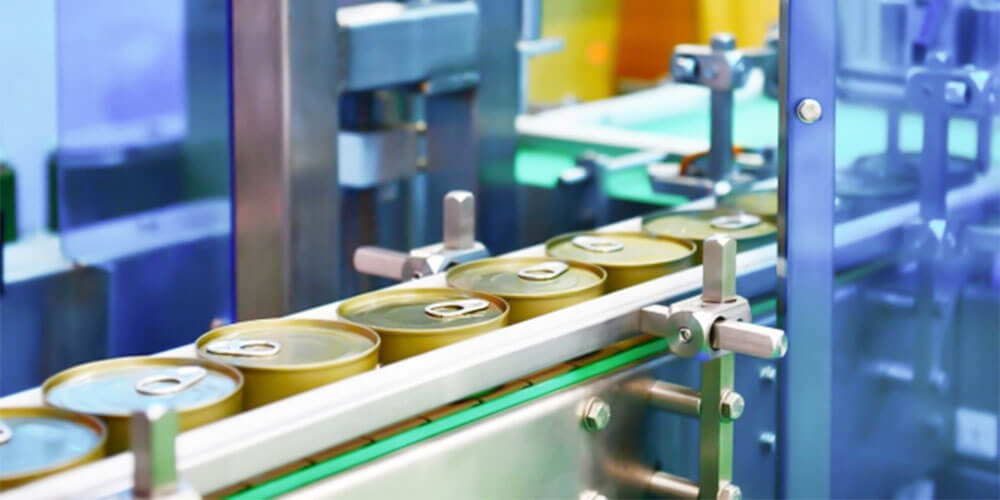
Understanding how to analyze chemical residues using automated tools is increasingly important across industries such as food production, pharmaceuticals, and environmental monitoring. Automated laboratory equipment has transformed residue analysis, making it faster, more accurate, and less prone to human error. This article explores the essential steps, technologies, and best practices for leveraging automation in residue detection and quantification.
With stricter regulations and growing consumer demand for transparency, laboratories must ensure that their processes are both efficient and reliable. Automated systems not only streamline workflows but also enhance data integrity and reproducibility. For those interested in broader plant safety and process optimization, resources like ways to improve safety using sensor-based zones provide further insights into modern industrial practices.
Why Automate Chemical Residue Analysis?
Manual residue testing methods are time-consuming and susceptible to inconsistencies. By adopting automated laboratory tools for chemical residue analysis, organizations benefit from:
- Increased throughput: Automated systems can process multiple samples simultaneously, reducing turnaround time.
- Improved accuracy: Automation minimizes human error, leading to more reliable results.
- Enhanced traceability: Digital records and audit trails simplify compliance with regulatory standards.
- Cost efficiency: Reduced labor and reagent waste lower operational costs in the long run.
These advantages are especially relevant in sectors where rapid, high-volume testing is required, such as food safety and water quality monitoring.
Core Technologies Used in Automated Residue Detection
A variety of instruments and platforms are available for automated chemical residue analysis. The choice depends on the target analyte, required sensitivity, and sample matrix. Common technologies include:
- High-Performance Liquid Chromatography (HPLC): Widely used for detecting pesticide, veterinary drug, and pharmaceutical residues. Automated HPLC systems can inject, separate, and analyze samples with minimal manual intervention.
- Gas Chromatography-Mass Spectrometry (GC-MS): Ideal for volatile and semi-volatile compounds. Automated sample preparation and injection modules increase efficiency and reproducibility.
- Enzyme-Linked Immunosorbent Assay (ELISA): Automated ELISA platforms offer rapid screening for specific contaminants, especially in food and environmental samples.
- Inductively Coupled Plasma Mass Spectrometry (ICP-MS): Used for trace metal analysis in water, soil, and food. Automation improves sample handling and reduces contamination risk.
Step-by-Step Guide to Automated Residue Analysis
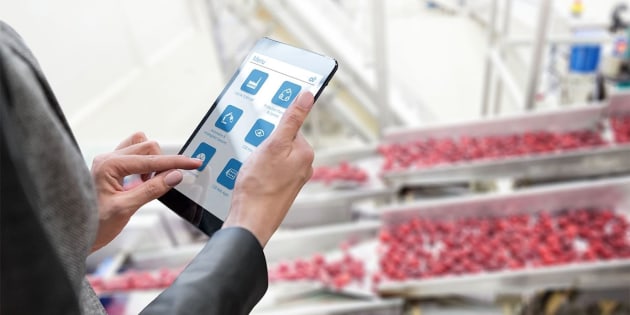
Implementing an automated workflow for chemical residue detection involves several key stages. Here’s a practical overview:
1. Sample Collection and Preparation
Proper sampling is critical for accurate results. Automated homogenizers, liquid handlers, and extraction robots can standardize sample preparation, minimizing variability. For example, automated solid-phase extraction (SPE) systems efficiently isolate target residues from complex matrices.
2. Instrument Calibration and Quality Control
Automated systems often include built-in calibration routines and quality control checks. These features ensure instruments remain within specification and that results are valid. Regular use of certified reference materials and blanks is recommended.
3. Automated Analysis and Detection
Once samples are prepared, they are loaded into the analytical instrument. Automated injectors, sample changers, and software-controlled workflows handle the process, from separation to detection. Data is collected and processed in real time, with results displayed in user-friendly dashboards.
4. Data Management and Reporting
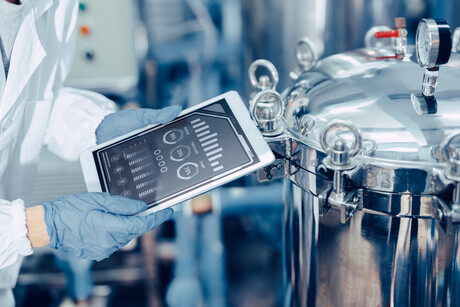
Automated lab information management systems (LIMS) store, organize, and archive analytical data. These platforms facilitate traceability, trend analysis, and regulatory compliance. Reports can be generated automatically, reducing administrative burden.
Best Practices for Reliable Results with Automated Tools
To maximize the benefits of automation in residue analysis, consider the following best practices:
- Routine maintenance: Schedule regular instrument checks and calibrations to prevent downtime and ensure accuracy.
- Staff training: Even automated systems require skilled operators. Provide ongoing training in both equipment use and data interpretation.
- Validation and verification: Periodically validate automated methods against manual or reference methods to confirm performance.
- Data security: Protect sensitive information with secure data management protocols and regular backups.
For those interested in predictive maintenance and its role in food industry automation, the article on predictive maintenance strategies for the food industry offers valuable context on integrating automation with equipment reliability.
Applications Across Different Industries
Automated residue analysis is essential in many sectors:
- Food and Beverage: Ensures compliance with safety standards by detecting pesticide, antibiotic, and allergen residues.
- Pharmaceuticals: Monitors active ingredients and contaminants in drug manufacturing.
- Environmental Monitoring: Detects pollutants in water, soil, and air samples.
- Agriculture: Tracks pesticide residues in crops and soil to support sustainable practices.
Automation not only accelerates testing but also supports traceability and transparency, which are increasingly demanded by regulators and consumers alike.
Challenges and Considerations in Automated Residue Testing
While automation brings many advantages, certain challenges must be addressed:
- Initial investment: Automated systems can be costly to acquire and implement.
- Complex sample matrices: Some samples may require customized preparation or method development.
- Regulatory compliance: Automated methods must be validated and documented to meet industry standards.
- Integration with existing workflows: Ensuring compatibility with current laboratory processes and data systems is crucial.
Despite these hurdles, the long-term benefits of automation—improved efficiency, accuracy, and scalability—often outweigh the initial challenges.
Integrating Automation with Broader Lab and Plant Operations
Modern laboratories are increasingly interconnected, with automated residue analysis forming part of a larger digital ecosystem. Integration with plant safety systems, predictive analytics, and process control platforms can further enhance operational performance. For example, using laser sensors for product thickness control or implementing predictive maintenance for aseptic packaging systems can complement residue testing by ensuring overall product quality and equipment reliability.
Frequently Asked Questions
What are the main benefits of using automated tools for chemical residue analysis?
Automated systems offer higher throughput, improved accuracy, consistent results, and streamlined data management. They also reduce manual labor and support compliance with regulatory requirements.
How do automated systems ensure data integrity in residue testing?
Automated platforms use secure data storage, audit trails, and standardized protocols to minimize errors and ensure traceability. Many systems also include built-in quality control and validation features.
Can automated residue analysis be customized for different sample types?
Yes, modern automated tools are highly adaptable. They can be programmed for various sample matrices and analytes, with customizable workflows for specific industry needs.