
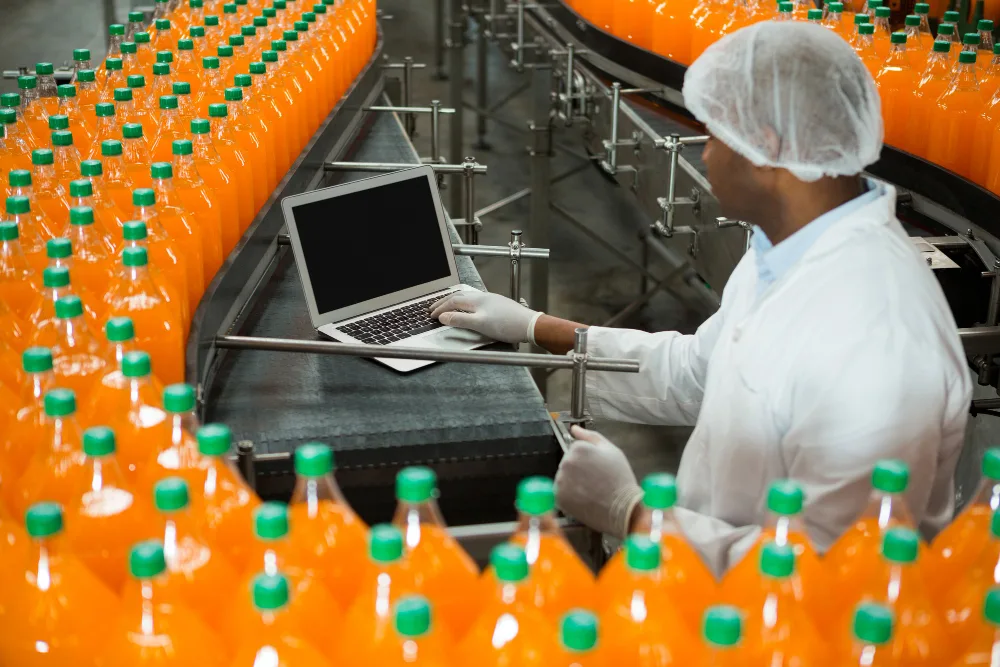
Minimizing unplanned stops on high-speed bottling lines is essential for food and beverage manufacturers aiming for consistent output, product quality, and profitability. Even minor interruptions can ripple through production schedules, disrupt supply chains, and increase operational costs. Understanding how to prevent downtime on bottling lines is not just about fixing issues as they arise—it’s about adopting proactive strategies, leveraging technology, and building a culture of continuous improvement.
This article explores practical, actionable methods to keep bottling operations running smoothly. We’ll cover predictive maintenance, staff training, technology adoption, and process optimization. For those interested in broader plant efficiency, you may also want to explore ways to optimize energy consumption using predictive tools to further enhance your facility’s performance.
Understanding the Causes of Bottling Line Interruptions
Before implementing solutions, it’s crucial to identify the common sources of unplanned stops in bottling operations. Typical causes include:
- Mechanical failures such as worn-out belts, motors, or sensors
- Product jams due to misaligned bottles or caps
- Human error from insufficient training or unclear procedures
- Inadequate maintenance routines or overlooked inspections
- Supply chain delays leading to material shortages
Recognizing these root causes allows you to address them systematically and reduce the risk of recurring issues.
Implementing Predictive Maintenance for Bottling Lines
One of the most effective ways to minimize stoppages is by shifting from reactive to predictive maintenance. This approach uses sensors, data analytics, and machine learning to anticipate equipment failures before they occur. By monitoring vibration, temperature, and other key indicators, teams can schedule repairs or part replacements during planned downtime, rather than reacting to unexpected breakdowns.

According to industry experts, predictive maintenance in the food industry can reduce unplanned downtime by up to 30% and extend equipment lifespan. Integrating these systems requires an upfront investment, but the long-term savings and reliability improvements are substantial.
For those interested in real-time monitoring, consider reading about how to monitor equipment health in real-time using advanced sensors and analytics.
Optimizing Processes to Reduce Bottling Line Downtime
Beyond equipment, process optimization plays a significant role in keeping lines running. Here are several strategies:
- Standardize operating procedures to minimize confusion and variability
- Implement quick-changeover techniques to reduce transition times between products
- Use visual management tools (like Andon boards) to quickly identify and address bottlenecks
- Conduct regular process audits to identify inefficiencies and improvement opportunities
Continuous improvement frameworks such as Lean or Six Sigma can help teams systematically identify and eliminate waste, further reducing the risk of unexpected stops.

Leveraging Technology and Automation
Modern bottling lines benefit greatly from automation and digital tools. Automated inspection systems, for example, can detect misaligned bottles, missing caps, or fill-level errors in real time, allowing for immediate correction. Robotics can handle repetitive or hazardous tasks, reducing the likelihood of human error and injury.
Data collection and analysis platforms provide actionable insights into line performance, downtime causes, and maintenance needs. Integrating these technologies supports a proactive approach to how to prevent downtime on bottling lines and ensures that issues are addressed before they escalate.
For a deeper understanding of how advanced analytics can impact food manufacturing, explore the differences between prescriptive and predictive analytics in food.
Staff Training and Engagement
Even the most advanced equipment and processes rely on skilled, attentive operators. Regular staff training ensures that everyone understands proper procedures, safety protocols, and how to respond to alarms or faults. Cross-training employees on multiple roles can also provide flexibility during absences or peak periods.
Encouraging staff to report near-misses, suggest improvements, and participate in root cause analysis fosters a culture of ownership and continuous improvement. Recognizing and rewarding proactive behavior can further boost engagement and reduce the risk of downtime.
Establishing a Preventive Maintenance Schedule
While predictive maintenance is ideal, a robust preventive maintenance plan remains essential. Schedule regular inspections, lubrication, and part replacements based on manufacturer recommendations and historical data. Document all maintenance activities to identify recurring issues and refine schedules over time.
Using checklists and digital maintenance management systems helps ensure that no critical tasks are overlooked. This structured approach is a cornerstone of any strategy focused on how to prevent downtime on bottling lines.
Monitoring and Continuous Improvement
Ongoing monitoring is key to sustaining high performance. Track key performance indicators (KPIs) such as:
- Overall Equipment Effectiveness (OEE)
- Mean Time Between Failures (MTBF)
- Mean Time To Repair (MTTR)
- Downtime frequency and duration
Regularly review these metrics with your team to identify trends, set improvement targets, and celebrate progress. Benchmarking against industry standards can also highlight areas for further enhancement.
For more on non-invasive ways to assess equipment, see the guide to non-destructive testing in food processing.
Supply Chain Coordination and Inventory Management
Downtime isn’t always caused by equipment or process issues—sometimes, it’s due to missing materials or delayed shipments. Maintain strong relationships with suppliers, monitor inventory levels in real time, and use just-in-time (JIT) principles where appropriate. Automated inventory systems can alert teams to low stock and reorder points, reducing the risk of production halts.
Collaborating with suppliers and logistics partners ensures that bottling lines have the materials needed to operate without interruption.
FAQ
What is the most effective way to reduce unplanned downtime on bottling lines?
Implementing predictive maintenance is often the most effective approach. By using sensors and analytics to monitor equipment health, teams can address potential issues before they lead to breakdowns. Combining this with standardized procedures and regular staff training further minimizes the risk of unexpected stops.
How often should preventive maintenance be performed on high-speed bottling lines?
The frequency depends on equipment type, usage intensity, and manufacturer recommendations. Generally, critical components should be inspected weekly or monthly, while less critical parts can be checked quarterly. Data from past maintenance and failures can help refine these intervals for optimal reliability.
Can automation fully eliminate downtime in bottling operations?
While automation significantly reduces human error and speeds up fault detection, it cannot eliminate downtime entirely. Equipment still requires maintenance, and unforeseen issues can arise. However, automation, when combined with predictive analytics and skilled staff, can drastically reduce the frequency and duration of interruptions.
Conclusion
Preventing interruptions on high-speed bottling lines requires a comprehensive approach that blends technology, process optimization, staff engagement, and supply chain coordination. By investing in predictive maintenance, leveraging automation, and fostering a culture of continuous improvement, manufacturers can achieve higher productivity, better product quality, and a stronger bottom line. Consistently reviewing performance data and adapting strategies ensures that bottling operations remain resilient and efficient in the face of evolving challenges.