
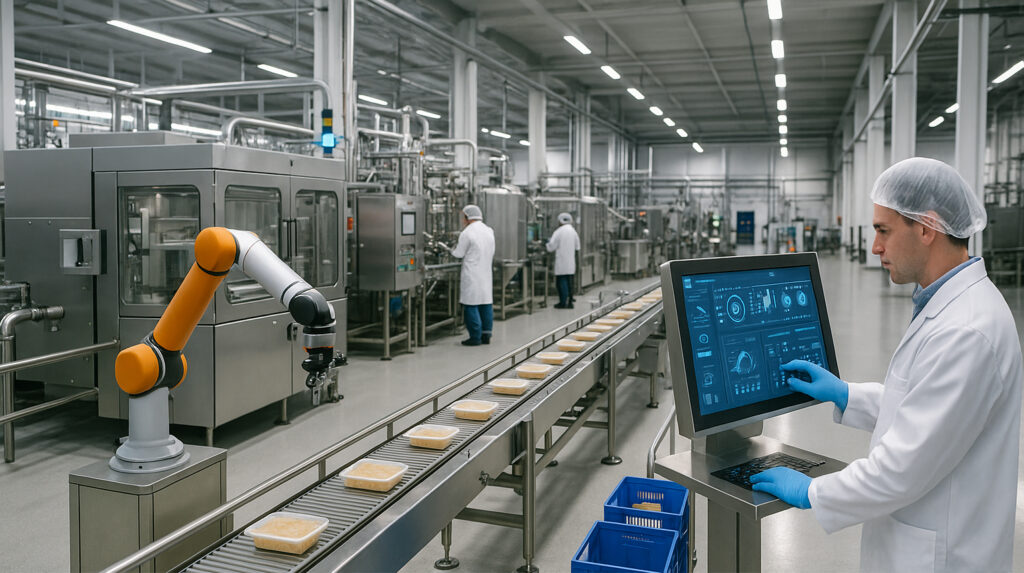
In food manufacturing, pumps are essential for moving liquids, slurries, and semi-solids through various stages of production. When a pump begins to fail, it can cause costly downtime, product loss, and even contamination risks. Understanding how to detect early signs of pump failure is crucial for maintaining operational efficiency and food safety.
This article explores practical methods for recognizing pump issues before they escalate, including visual checks, monitoring performance data, and leveraging predictive maintenance tools. By identifying problems early, food processors can prevent unexpected breakdowns and extend equipment lifespan.
For those interested in optimizing other aspects of food production, learning about the benefits of predictive tools for ingredient mixing can further enhance process reliability.
Why Early Detection Matters in Food Processing
Pumps in food plants are often running continuously, handling everything from dairy and juices to sauces and syrups. A sudden failure can halt production lines, spoil batches, and disrupt schedules. Early identification of pump issues allows for planned maintenance, reducing the risk of unplanned outages and minimizing waste.
Additionally, food safety regulations demand strict hygiene and process control. A malfunctioning pump can introduce contaminants or cause inconsistent product quality. By spotting warning signs early, processors can uphold safety standards and avoid regulatory penalties.
Common Warning Signs of Impending Pump Problems
Recognizing the subtle indicators of pump distress is the first step in preventing failures. Here are several key symptoms to watch for:
- Unusual noises: Grinding, rattling, or squealing sounds may signal bearing wear, cavitation, or misalignment.
- Vibration: Excessive or irregular vibration often points to imbalance, worn components, or loose mounting.
- Temperature changes: Overheating in motors or pump housings can indicate lubrication issues or mechanical binding.
- Pressure fluctuations: Drops or spikes in discharge pressure may result from leaks, blockages, or impeller damage.
- Visible leaks: Fluid around seals, gaskets, or connections suggests seal failure or improper assembly.
- Reduced flow rates: A decline in output can be caused by clogged filters, worn impellers, or air entrainment.
Visual Inspection Techniques for Early Pump Failure Detection
Routine visual checks remain one of the most effective ways to spot early pump issues. Operators should regularly inspect:
- Seals and gaskets for signs of wear, cracks, or leaks.
- Mounting bolts and supports to ensure they are secure and free from corrosion.
- Piping connections for evidence of leaks or misalignment.
- Electrical wiring for fraying, discoloration, or loose terminals.
Documenting findings and comparing them over time helps identify gradual changes that may indicate developing problems.
Monitoring Performance Data to Spot Early Issues
Beyond visual checks, tracking operational data provides valuable insights into pump health. Key parameters to monitor include:
- Flow rate and pressure: Sudden changes can signal blockages or internal damage.
- Current draw: Increases in electrical consumption may point to mechanical resistance or motor issues.
- Vibration levels: Many facilities use vibration sensors to detect imbalance or bearing wear before failure occurs.
- Temperature: Monitoring bearing and motor temperatures helps catch overheating early.
Modern control systems often allow for real-time data collection and trend analysis, making it easier to detect deviations from normal operating conditions.
Leveraging Predictive Maintenance for Pump Health
Predictive maintenance uses data analytics and sensor technology to forecast equipment failures before they happen. By analyzing vibration, temperature, and pressure trends, maintenance teams can schedule interventions at the optimal time, reducing downtime and extending pump life.
For a deeper dive into predictive strategies, consider reading about predictive tools for calculating yield loss, which can also be applied to pump performance and overall plant efficiency.
Implementing predictive maintenance not only helps with how to detect early signs of pump failure but also supports broader goals like reducing maintenance costs and improving product consistency.

Best Practices for Preventing Pump Failures
While early detection is critical, prevention is equally important. Here are some practical steps to reduce the risk of pump breakdowns in food processing environments:
- Establish a routine inspection schedule and stick to it.
- Train staff to recognize and report abnormal pump behavior.
- Keep detailed maintenance records to track recurring issues.
- Use only manufacturer-approved replacement parts and lubricants.
- Ensure pumps are properly sized and installed for their intended application.
- Regularly calibrate sensors and monitoring equipment.
Adopting these practices helps maintain pump reliability and supports compliance with food safety standards.
Integrating Technology for Enhanced Pump Monitoring
Advances in digital monitoring and automation have made it easier than ever to track pump health. Wireless sensors, cloud-based analytics, and remote monitoring platforms provide real-time alerts when parameters move out of range. These systems can be integrated with existing plant controls, offering a comprehensive view of equipment status.
For more information on remote monitoring solutions, the guide to remote monitoring for food production offers practical advice for food processors looking to modernize their maintenance approach.
Additionally, acoustic sensors are increasingly used for early leak detection and can complement vibration and temperature monitoring for a more holistic view of pump health.
When to Take Action: Responding to Early Warning Signs
Once early indicators of pump trouble are detected, it’s important to act promptly. Steps may include:
- Investigating the root cause of abnormal readings or visible issues.
- Scheduling maintenance or repairs during planned downtime.
- Replacing worn components before they fail completely.
- Updating maintenance procedures based on new findings.
Timely intervention minimizes disruption and helps protect both product quality and equipment investment.
Further Reading and Resources
To expand your knowledge on predictive maintenance in the food industry, visit this comprehensive overview of predictive maintenance for food processing. These resources provide in-depth insights into the latest technologies and strategies for keeping critical equipment running smoothly.
FAQ
What are the most common causes of pump failure in food processing?
The most frequent causes include seal wear, bearing failure, improper lubrication, cavitation, and blockages from product buildup. Regular maintenance and monitoring can help address these issues before they lead to breakdowns.
How often should pumps be inspected in a food plant?
Inspection frequency depends on pump type, usage, and manufacturer recommendations, but most facilities benefit from weekly visual checks and monthly performance monitoring. High-risk or critical pumps may require more frequent attention.
Can predictive maintenance eliminate all pump failures?
While predictive maintenance greatly reduces unexpected breakdowns, it cannot prevent all failures. However, it enables earlier detection of issues, allowing for planned repairs and minimizing unplanned downtime.