
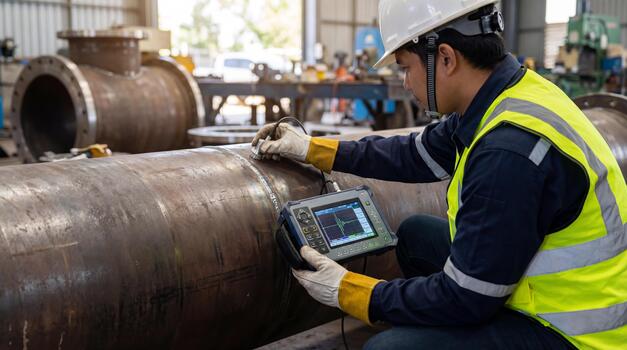
Industrial equipment is a significant investment, and maximizing its operational life is crucial for both financial and productivity reasons. One of the most effective strategies for how to extend machine lifespan is through proactive vibration monitoring. By regularly tracking vibration levels and analyzing the resulting data, maintenance teams can detect early warning signs of mechanical issues, prevent unexpected breakdowns, and optimize maintenance schedules. This approach not only reduces downtime but also helps maintain consistent product quality and safety standards.
Understanding the principles behind vibration monitoring and its practical application is essential for anyone responsible for maintaining rotating machinery, pumps, motors, or other critical assets. This guide explores the fundamentals of proactive monitoring, the benefits it offers, and actionable steps to implement a successful program in your facility.
For those looking to deepen their understanding of vibration signals and their implications, the machine vibration data interpretation resource provides a practical field guide to interpreting vibration data and making informed maintenance decisions.
Why Proactive Vibration Monitoring Matters
Traditional maintenance strategies often rely on fixed schedules or reactive repairs after a failure occurs. While these methods can keep machines running, they rarely address the root causes of wear and tear. Proactive vibration monitoring, on the other hand, enables early detection of issues such as misalignment, imbalance, bearing faults, and looseness. By identifying these problems before they escalate, organizations can plan repairs during scheduled downtime, avoid catastrophic failures, and significantly increase equipment longevity.
Vibration analysis is especially valuable for rotating machinery, where even minor deviations from normal vibration patterns can signal developing faults. Regular monitoring not only helps in extending the life of machines but also improves overall plant reliability and safety.
Key Principles of Vibration Monitoring for Longevity
To effectively use vibration monitoring as a tool for improving machine lifespan, it’s important to understand some core principles:
- Baseline Establishment: Establish normal vibration levels for each asset to serve as a reference point for future measurements.
- Trend Analysis: Track changes in vibration over time to spot gradual deterioration or sudden anomalies.
- Frequency Analysis: Analyze vibration frequencies to pinpoint specific fault types, such as bearing defects or misalignment.
- Threshold Setting: Define acceptable vibration limits based on manufacturer recommendations and historical data.
- Actionable Reporting: Ensure that vibration data is translated into clear, actionable maintenance tasks.
By applying these principles, maintenance teams can move from a reactive to a predictive mindset, focusing on preventing failures rather than simply responding to them.
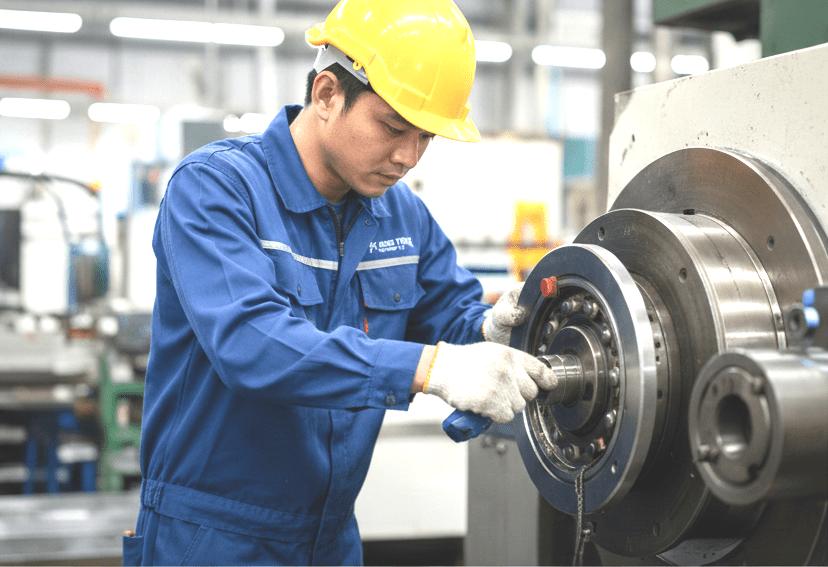
Implementing a Proactive Vibration Monitoring Program
Launching a successful vibration monitoring initiative involves several key steps. Here’s how organizations can get started:
- Asset Selection: Identify critical machines where failure would have the greatest impact on production or safety.
- Sensor Deployment: Install vibration sensors at strategic points on each machine, focusing on bearings, shafts, and other high-risk components.
- Data Collection: Set up regular data collection intervals, either through handheld devices or permanently mounted sensors connected to a central system.
- Data Analysis: Use software tools or expert analysts to interpret vibration data, looking for patterns that indicate emerging faults.
- Maintenance Planning: Integrate vibration findings into maintenance schedules, prioritizing interventions based on risk and urgency.
- Continuous Improvement: Review program results regularly and adjust thresholds, sensor placements, or analysis techniques as needed.
For a comprehensive overview of how vibration analysis fits into a predictive maintenance strategy, the vibration analysis for predictive maintenance guide offers further insights.
Benefits of Proactive Monitoring for Equipment Life
Adopting a proactive approach to vibration monitoring delivers a range of tangible benefits that directly contribute to extending the useful life of machinery:
- Reduced Unplanned Downtime: Early detection of faults allows for scheduled repairs, minimizing costly production interruptions.
- Lower Maintenance Costs: Addressing minor issues before they escalate reduces the need for major repairs and extends the interval between overhauls.
- Improved Safety: Identifying and correcting mechanical problems before they lead to failure helps protect workers and equipment.
- Optimized Asset Utilization: Machines can operate closer to their full potential for longer periods, maximizing return on investment.
- Enhanced Data-Driven Decisions: Reliable vibration data supports smarter maintenance planning and resource allocation.
These advantages make vibration monitoring an essential component of any modern maintenance program focused on asset longevity and operational excellence.
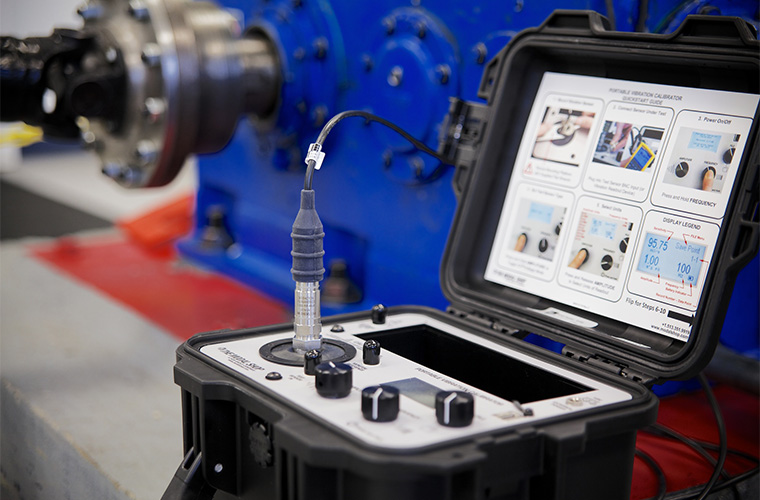
Best Practices for Maximizing Machine Service Life
To get the most out of a vibration monitoring program, consider these best practices:
- Regular Training: Ensure maintenance staff are trained in both the use of monitoring equipment and the interpretation of vibration data.
- Consistent Data Collection: Stick to a regular schedule for measurements to build a reliable trend history.
- Collaboration: Foster communication between maintenance, operations, and engineering teams to ensure findings are acted upon promptly.
- Documentation: Keep detailed records of vibration readings, maintenance actions, and outcomes to support continuous improvement.
- Leverage Technology: Use advanced analytics and automated alerts to streamline the identification of potential issues.
For those interested in learning more about effective reporting, the vibration analysis report guide provides tips on writing clear, actionable findings that drive real maintenance improvements.
Common Faults Detected by Vibration Monitoring
Vibration analysis is highly effective at identifying a range of mechanical issues that can shorten equipment life if left unaddressed. Some of the most common faults include:
- Bearing Wear: Early signs of bearing degradation often appear in vibration data before audible noise or heat develops.
- Imbalance: Uneven mass distribution in rotating parts causes excessive vibration, leading to premature wear.
- Misalignment: Shafts or couplings that are not properly aligned generate distinctive vibration signatures.
- Looseness: Loose bolts or structural components can be detected through irregular vibration patterns.
- Gearbox Faults: Damaged gears or improper lubrication manifest as specific frequency peaks in vibration spectra.
Detecting these issues early is key to minimizing damage and ensuring machines operate efficiently for as long as possible.
Integrating Vibration Monitoring with Digital Maintenance Strategies
Modern maintenance programs increasingly rely on digital technologies to enhance asset management. Integrating vibration monitoring data with computerized maintenance management systems (CMMS) or other digital platforms can streamline workflows and improve decision-making. For organizations beginning this journey, exploring digital transformation in industrial maintenance provides a roadmap for leveraging technology to support proactive maintenance.
Additionally, staying informed about the latest developments in vibration analysis can further enhance your program. For example, the comprehensive overview of vibration analysis techniques offers valuable context for both beginners and experienced practitioners.
Frequently Asked Questions
What types of machines benefit most from vibration monitoring?
Rotating equipment such as motors, pumps, fans, compressors, and gearboxes benefit the most. These machines are prone to faults like imbalance, misalignment, and bearing wear, all of which can be detected early through vibration analysis.
How often should vibration data be collected?
The ideal frequency depends on the criticality of the asset and its operating conditions. For high-value or high-risk equipment, continuous monitoring is recommended. For less critical assets, weekly or monthly measurements may suffice.
Can vibration monitoring prevent all types of machine failures?
While vibration monitoring is highly effective at detecting many mechanical issues, it should be used alongside other predictive maintenance tools. Some problems, such as electrical faults or lubrication issues, may require additional monitoring techniques to ensure comprehensive protection.