
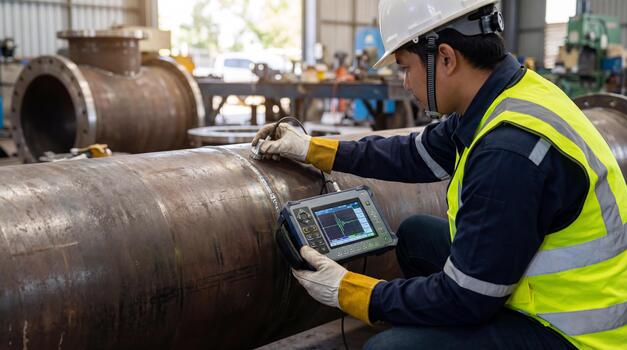
Industrial machinery is subject to constant wear and tear, making regular maintenance essential for reliability and safety. One of the most effective ways to detect early signs of mechanical issues is through vibration testing. This process helps maintenance teams identify imbalances, misalignments, looseness, and bearing failures before they escalate into costly breakdowns or safety hazards.
Understanding how to perform vibration testing is crucial for plant engineers, maintenance managers, and technicians who want to maximize equipment uptime and avoid unplanned outages. This guide explains the fundamentals, step-by-step procedures, and best practices for conducting accurate vibration assessments in industrial environments.
For industry-specific insights, such as monitoring critical assets in the energy sector, you may find this resource on vibration analysis for power plants particularly useful.
Why Vibration Testing Matters in Industrial Settings
Mechanical vibration is a natural byproduct of rotating and reciprocating equipment. However, abnormal vibration patterns often signal underlying problems. By routinely measuring and analyzing vibration, organizations can:
- Detect faults early—catching issues before they lead to catastrophic failure.
- Reduce downtime—enabling planned maintenance rather than reactive repairs.
- Extend equipment life—minimizing wear and optimizing performance.
- Improve safety—preventing accidents caused by unexpected machine breakdowns.
Industries such as manufacturing, power generation, pharmaceuticals, and food processing all benefit from a proactive approach to vibration monitoring.
Key Principles of Vibration Measurement
Before learning the steps for vibration testing on industrial equipment, it’s important to understand the basics of what is being measured. Vibration is typically characterized by:
- Amplitude: The strength or magnitude of the vibration, usually measured in millimeters per second (mm/s) or inches per second (ips).
- Frequency: The rate at which vibration occurs, measured in Hertz (Hz). Different faults produce vibrations at specific frequencies.
- Phase: The timing relationship between vibration signals, which can help pinpoint misalignment or looseness.
Specialized sensors, such as accelerometers or velocity transducers, are used to capture these parameters. The data is then analyzed to identify abnormal patterns or trends.

Step-by-Step Guide: How to Perform Vibration Testing
Conducting a successful vibration assessment involves several key steps. Here’s a practical workflow for maintenance professionals:
1. Define Objectives and Select Equipment
Start by identifying which machines or components require monitoring. Focus on critical assets where failure would have the greatest impact. Determine the goals of your testing—are you establishing baseline data, troubleshooting a problem, or verifying repairs?
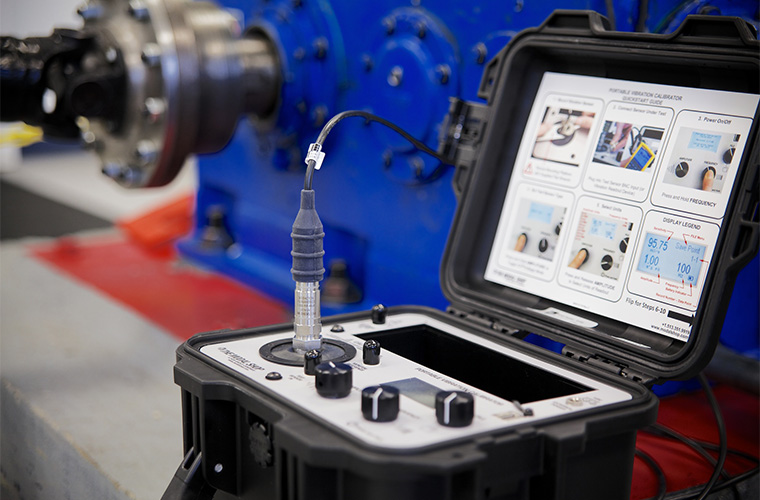
2. Prepare the Right Tools
Gather the necessary instruments, which may include:
- Portable vibration meters or analyzers
- Accelerometers or velocity sensors
- Magnetic bases or mounting pads
- Data collection software or handheld devices
Always ensure your sensors are calibrated for accurate readings.
3. Identify Measurement Points
Choose locations on the machine where vibration is most likely to reveal faults. Common points include bearing housings, motor casings, and gearbox covers. Refer to manufacturer guidelines or industry standards for recommended measurement locations.
4. Attach Sensors Securely
Proper sensor mounting is essential for reliable data. Use magnetic mounts or adhesive pads to ensure firm contact with the machine surface. Avoid handheld measurements, as they can introduce noise and reduce accuracy.
5. Collect Baseline Data
Record vibration readings during normal operating conditions to establish a reference point. Document machine speed, load, and any relevant environmental factors.
6. Analyze the Results
Compare current readings to baseline data or industry standards. Look for increases in amplitude, changes in frequency, or new vibration patterns. Use spectrum analysis to identify specific fault signatures, such as unbalance, misalignment, or bearing defects.
For a deeper dive into the subject, the vibration analysis blog from Advanced Tech offers a comprehensive overview of interpreting vibration data and common fault frequencies.
7. Take Corrective Action
If abnormal vibration is detected, plan maintenance activities such as balancing, alignment, lubrication, or component replacement. After repairs, repeat the test to verify that the issue has been resolved.
Best Practices for Reliable Vibration Testing
To maximize the value of your vibration monitoring program, consider these recommendations:
- Standardize procedures—use consistent measurement points and methods for repeatable results.
- Train personnel—ensure technicians understand both the equipment and the testing process.
- Document everything—keep detailed records of readings, actions taken, and equipment history.
- Integrate with other predictive maintenance tools—combine vibration data with oil analysis, thermography, and ultrasound for a holistic view.
For those in specific industries, such as pulp and paper or pharmaceuticals, tailored approaches are available. For example, vibration analysis for paper mills focuses on preventing costly breakdowns unique to that environment, while vibration analysis for pharmaceutical plants emphasizes compliance and uptime.
Common Challenges and Troubleshooting Tips
Even with the right tools and training, maintenance teams may encounter obstacles during vibration assessments:
- Electrical noise—can interfere with sensor signals. Use shielded cables and avoid routing near power lines.
- Inaccessible measurement points—may require remote sensors or alternative locations.
- Variable operating conditions—try to test under consistent loads and speeds for accurate trend analysis.
- Data overload—focus on actionable trends rather than collecting excessive raw data.
Regular review of procedures and ongoing training can help teams overcome these challenges and improve the effectiveness of their vibration monitoring program.
FAQ
What types of equipment benefit most from vibration testing?
Rotating machinery such as motors, pumps, fans, compressors, and gearboxes are prime candidates for vibration monitoring. These assets are critical to industrial operations and are prone to faults that can be detected early through vibration analysis.
How often should vibration testing be performed?
The frequency depends on equipment criticality, operating conditions, and manufacturer recommendations. High-value or high-risk assets may require monthly or even continuous monitoring, while less critical machines can be tested quarterly or semi-annually.
Can vibration testing predict all types of failures?
While vibration analysis is highly effective for detecting mechanical faults like imbalance, misalignment, and bearing wear, it may not identify issues such as electrical faults or lubrication problems. Combining vibration testing with other predictive maintenance techniques provides a more comprehensive view of equipment health.