

Industrial operations face constant pressure to reduce expenses while maintaining equipment reliability. One of the most effective strategies for achieving these goals is the use of vibration analysis. By monitoring the condition of rotating machinery, this predictive maintenance technique helps organizations identify problems early, prevent unexpected breakdowns, and extend asset life. In this guide, we’ll explore the practical ways vibration monitoring leads to significant savings on maintenance over the long term.
Facilities across industries—such as manufacturing, power generation, and processing—are increasingly turning to vibration monitoring to optimize their maintenance strategies. For those interested in sector-specific applications, our resource on vibration analysis for power plants offers a deep dive into monitoring critical assets in energy production environments.
Understanding the Role of Vibration Monitoring in Maintenance
Vibration analysis involves measuring and interpreting the oscillations of machinery components. These measurements reveal subtle changes in equipment condition, often before any outward signs of failure appear. By detecting issues such as imbalance, misalignment, bearing wear, or looseness, maintenance teams can take targeted action to address problems at their earliest stages.
Unlike traditional approaches that rely on fixed schedules or reactive repairs, vibration monitoring supports a predictive maintenance model. This shift allows organizations to plan interventions based on actual equipment needs, reducing unnecessary downtime and minimizing the risk of catastrophic failures.

Key Ways Vibration Analysis Reduces Maintenance Expenditures
The financial benefits of vibration monitoring extend far beyond the initial investment in sensors and software. Here are some of the most impactful ways this technology helps organizations cut maintenance costs over time:
- Early Fault Detection: By identifying developing issues before they escalate, teams can schedule repairs during planned shutdowns, avoiding expensive emergency interventions.
- Reduced Unplanned Downtime: Unscheduled outages are among the most costly events in industrial settings. Vibration monitoring enables proactive planning, keeping production lines running smoothly.
- Optimized Spare Parts Inventory: With better insight into asset health, organizations can avoid overstocking or understocking critical components, leading to more efficient inventory management.
- Extended Equipment Lifespan: Addressing minor faults promptly prevents secondary damage and extends the useful life of expensive machinery.
- Lower Labor Costs: Predictive maintenance reduces the need for overtime and emergency call-outs, allowing teams to focus on planned, efficient work.
Real-World Examples of Maintenance Cost Savings
Many industries have documented substantial savings after implementing vibration monitoring programs. For instance, in steel manufacturing, heavy assets are constantly exposed to demanding operating conditions. By using vibration analysis, facilities can prevent costly breakdowns and optimize maintenance schedules. More details on this approach can be found in our article on vibration analysis for steel manufacturing.
Similarly, paper mills and pharmaceutical plants benefit from predictive strategies that help maintain compliance, reduce waste, and ensure uptime. These examples underscore how a data-driven approach to asset health management leads to measurable financial gains.
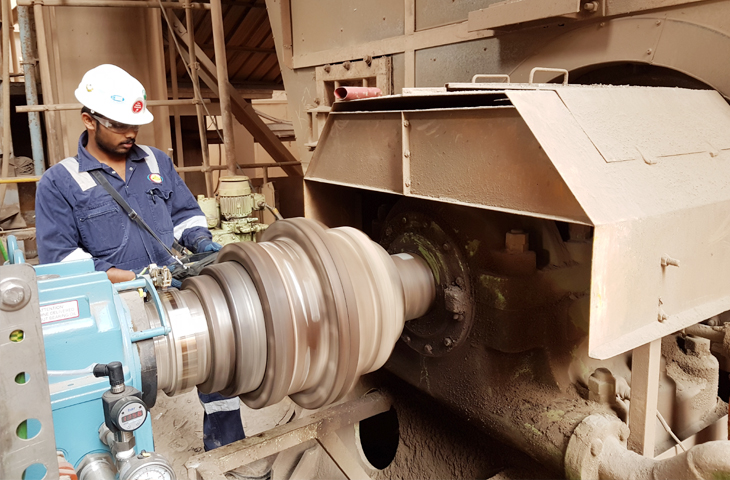
Integrating Vibration Monitoring with Condition-Based Maintenance
For organizations seeking to maximize the value of their maintenance programs, integrating vibration monitoring with broader condition monitoring for manufacturing plants is a logical next step. By combining vibration data with other sensor inputs—such as temperature, oil analysis, and acoustic measurements—maintenance teams gain a comprehensive view of asset health.
This holistic approach supports more accurate diagnostics, better prioritization of work orders, and continuous improvement of maintenance practices. Over time, these improvements translate to lower total cost of ownership and enhanced operational reliability.
Best Practices for Maximizing Savings with Vibration Analysis
To fully realize the cost-saving potential of vibration monitoring, organizations should consider the following best practices:
- Start with Critical Assets: Focus initial efforts on equipment that has the greatest impact on production or safety.
- Establish Baseline Measurements: Collect baseline vibration data when equipment is known to be in good condition. This reference point is essential for detecting deviations.
- Train Maintenance Staff: Ensure that technicians understand how to interpret vibration data and take appropriate corrective actions.
- Leverage Automated Analysis Tools: Modern software can automatically flag abnormal readings, making it easier to act quickly and accurately.
- Review and Refine the Program: Regularly assess the effectiveness of your vibration monitoring strategy and adjust as needed to improve results.
Industry Standards and Further Reading
Vibration monitoring is supported by well-established industry standards and best practices. For those seeking a technical overview, the TWI Global FAQ on vibration analysis provides a comprehensive explanation of the principles, methods, and benefits of this technology.
By staying informed about the latest advancements and guidelines, organizations can ensure their predictive maintenance programs deliver maximum value.
Frequently Asked Questions
What types of equipment benefit most from vibration monitoring?
Rotating machinery such as motors, pumps, fans, compressors, and gearboxes are prime candidates for vibration analysis. These assets are critical to production and often experience wear that can be detected early through vibration measurements.
How often should vibration data be collected?
The optimal frequency depends on equipment criticality and operating conditions. For high-value or high-risk assets, continuous monitoring is ideal. For less critical machines, periodic checks—ranging from weekly to quarterly—may be sufficient.
Is vibration analysis difficult to implement?
Modern systems make it easier than ever to deploy vibration monitoring. Wireless sensors, cloud-based analytics, and user-friendly interfaces allow organizations of all sizes to get started quickly. Training and support are available to help maintenance teams build expertise.
Can vibration monitoring be combined with other predictive maintenance tools?
Yes. Integrating vibration analysis with other condition monitoring techniques—such as thermography, oil analysis, and ultrasound—provides a more complete picture of asset health and further enhances maintenance efficiency.