
The rapid evolution of manufacturing and process industries has placed a premium on reliability, efficiency, and predictive maintenance. Industrial automation and vibration monitoring are two technological pillars that, when integrated, can dramatically improve operational performance and reduce unplanned downtime. As industries strive to optimize productivity and asset longevity, understanding how these two domains intersect is essential for plant managers, reliability engineers, and maintenance professionals.
This article explores the synergy between automated systems and vibration analysis, highlighting the benefits, practical applications, and best practices for leveraging both technologies. For those interested in sector-specific insights, our detailed guide on vibration analysis for power plants provides an in-depth look at monitoring critical assets in energy production.
The Role of Automation in Modern Industry
Automation has transformed manufacturing by replacing manual tasks with programmable logic controllers (PLCs), robotics, and interconnected sensors. These systems enable consistent product quality, faster cycle times, and safer working environments. However, as automation increases, so does the complexity of equipment, making proactive maintenance more critical than ever.
Automated machinery, while highly efficient, is susceptible to wear, misalignment, and component failure. Traditional maintenance approaches—such as scheduled inspections or reactive repairs—are often insufficient for today’s high-speed, high-volume operations. This is where integrating vibration monitoring becomes invaluable.
How Vibration Monitoring Complements Automated Systems
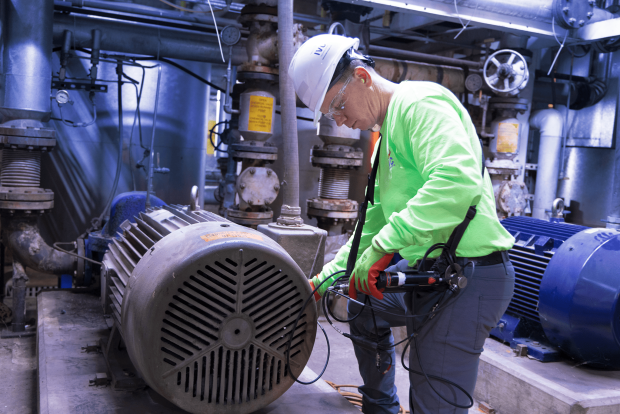
Vibration analysis is a proven technique for detecting early signs of mechanical issues in rotating equipment like motors, pumps, and gearboxes. By continuously measuring vibration signatures, maintenance teams can identify imbalances, looseness, bearing defects, and other anomalies before they escalate into costly failures.

When vibration sensors and analysis tools are integrated into automated control systems, the result is a powerful predictive maintenance platform. Real-time data from vibration sensors can be fed directly into PLCs or SCADA systems, enabling automated responses such as machine shutdowns, speed adjustments, or maintenance alerts. This seamless connection between automation and condition monitoring ensures that potential problems are addressed before they impact production.
Key Benefits of Integrating Automation and Vibration Analysis
The combination of automation and vibration monitoring delivers several tangible advantages:
- Reduced Unplanned Downtime: Early detection of faults allows for scheduled maintenance, minimizing unexpected outages.
- Extended Equipment Life: Addressing issues proactively prevents secondary damage and prolongs asset lifespan.
- Improved Safety: Automated responses to abnormal vibration reduce the risk of catastrophic failures and workplace accidents.
- Lower Maintenance Costs: Predictive maintenance is more cost-effective than emergency repairs or overhauls.
- Data-Driven Decision Making: Continuous monitoring provides actionable insights for optimizing maintenance schedules and capital investments.
Real-World Applications Across Industries
The integration of industrial automation and vibration monitoring is not limited to a single sector. Industries such as power generation, pharmaceuticals, food processing, and textiles all benefit from these technologies. For example, in the pulp and paper industry, combining automated controls with vibration analysis helps prevent costly breakdowns and ensures consistent product quality. Those interested in sector-specific applications can explore our resource on vibration analysis for paper mills for further details.
Similarly, pharmaceutical plants rely on automated systems for precise process control and regulatory compliance. Integrating vibration monitoring supports uptime and helps maintain stringent quality standards. Learn more in our article on vibration analysis for pharmaceutical plants.
Implementing Vibration Monitoring in Automated Environments
Deploying vibration sensors within automated facilities requires careful planning. Here are some best practices:
- Identify Critical Assets: Focus on machines whose failure would significantly impact production or safety.
- Select Appropriate Sensors: Choose sensors compatible with your automation platform and capable of capturing relevant vibration frequencies.
- Integrate with Control Systems: Ensure that sensor data can be transmitted to PLCs or SCADA systems for automated analysis and response.
- Establish Baselines: Collect baseline vibration data during normal operation to distinguish between acceptable variations and warning signs.
- Automate Alerts and Actions: Program the system to trigger alarms, slowdowns, or shutdowns when vibration thresholds are exceeded.
Data Interpretation and Predictive Maintenance
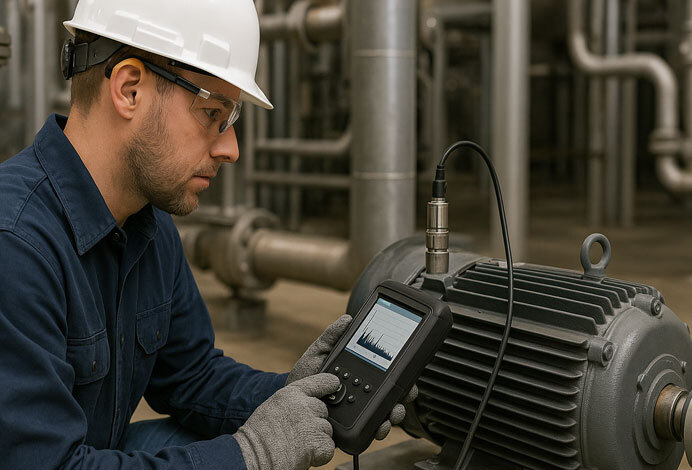
Collecting vibration data is only the first step. Effective predictive maintenance depends on the ability to interpret this data accurately. Advanced analytics platforms can process large volumes of sensor data, identify patterns, and predict when maintenance is required. This approach shifts maintenance from a reactive or time-based model to a truly condition-based strategy, maximizing asset availability and minimizing unnecessary interventions.
For those new to the field, a comprehensive introduction to vibration analysis fundamentals can provide valuable background on techniques, sensor types, and interpretation methods.
Challenges and Considerations
While the benefits are clear, integrating vibration monitoring with automation does present challenges. These include:
- System Compatibility: Ensuring sensors and software are compatible with existing automation infrastructure.
- Data Overload: Managing and analyzing large volumes of sensor data without overwhelming maintenance teams.
- Training Requirements: Developing staff expertise in both automation and condition monitoring technologies.
- Initial Investment: Upfront costs for sensors, integration, and analytics platforms can be significant, though typically offset by long-term savings.
Overcoming these hurdles requires a strategic approach, including pilot projects, phased rollouts, and ongoing training. Collaboration between IT, operations, and maintenance teams is essential for successful implementation.
Future Trends in Automation and Condition Monitoring
The convergence of industrial automation and vibration monitoring is accelerating with the rise of Industry 4.0. Emerging trends include:
- Wireless Sensors: Reducing installation complexity and enabling monitoring in hard-to-reach locations.
- Edge Computing: Processing vibration data locally for faster response and reduced network load.
- AI and Machine Learning: Enhancing predictive analytics and automating anomaly detection.
- Cloud Integration: Centralizing data for enterprise-wide visibility and benchmarking.
These advancements promise even greater reliability, efficiency, and insight for manufacturers willing to embrace digital transformation.
Frequently Asked Questions
What types of equipment benefit most from vibration monitoring in automated facilities?
Rotating machinery such as motors, pumps, compressors, fans, and gearboxes are prime candidates for vibration monitoring. These assets are critical to production and often experience wear or misalignment that can be detected early through vibration analysis.
How does vibration monitoring reduce maintenance costs?
By identifying issues before they lead to failure, vibration monitoring enables maintenance teams to plan repairs during scheduled downtime. This reduces emergency repair costs, prevents secondary damage, and extends the life of equipment.
Can vibration monitoring be retrofitted to existing automated systems?
Yes, most modern vibration sensors can be integrated with existing PLCs or SCADA systems. It is important to ensure compatibility and plan for data integration, but retrofitting is a common and cost-effective approach to enhancing predictive maintenance capabilities.
Conclusion
The integration of automation and vibration analysis is a cornerstone of modern, efficient, and reliable industrial operations. By combining real-time monitoring with automated control, manufacturers can achieve higher uptime, lower costs, and safer workplaces. As technology continues to evolve, the synergy between these two domains will only become more vital for staying competitive in today’s demanding industrial landscape.