
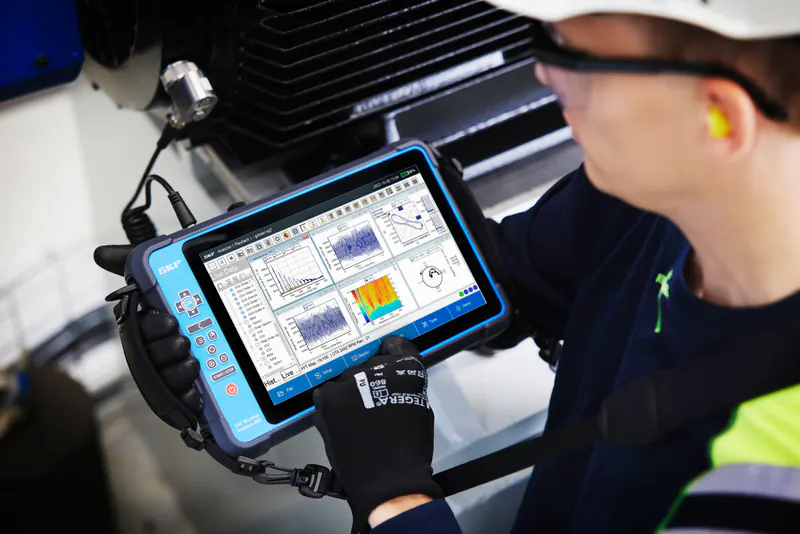
The manufacturing sector is undergoing a transformation as digital technologies reshape how companies maintain their assets. Industrial data analytics for maintenance is at the heart of this shift, allowing organizations to move from reactive repairs to proactive, data-driven strategies. By harnessing the power of real-time data, businesses can predict equipment failures, optimize maintenance schedules, and reduce costly downtime.
This approach relies on collecting and analyzing large volumes of operational data from sensors, machines, and control systems. The insights gained help maintenance teams make informed decisions, ensuring assets run efficiently and safely. As industries face increasing pressure to maximize uptime and minimize costs, leveraging analytics is no longer optional—it’s essential.
For those interested in specific applications, such as how vibration data is used to monitor critical assets, our in-depth resource on vibration analysis for power plants provides practical insights into predictive maintenance in high-stakes environments.
Understanding the Role of Data in Modern Maintenance
The traditional approach to equipment care was largely reactive—fixing things when they broke. Today, the integration of industrial data analytics for maintenance enables a shift toward predictive and prescriptive strategies. This means maintenance is scheduled based on actual equipment condition, not just time intervals or past failures.
Data is gathered from a variety of sources, including:
- IoT sensors monitoring temperature, vibration, and pressure
- SCADA and PLC systems providing operational metrics
- Maintenance logs and historical failure records
By analyzing these datasets, organizations can detect patterns and anomalies that signal impending issues. This proactive stance helps avoid unplanned outages and extends asset life.
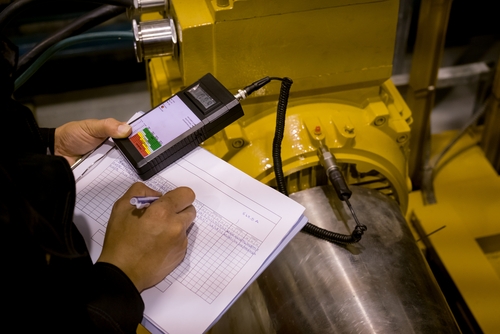
Key Benefits of Analytics-Driven Maintenance
Implementing analytics in maintenance operations delivers a range of tangible benefits:
- Reduced Downtime: Early detection of faults means repairs can be scheduled before breakdowns occur, keeping production lines running smoothly.
- Lower Maintenance Costs: Resources are allocated efficiently, focusing on assets that truly need attention rather than following rigid schedules.
- Improved Asset Reliability: Continuous monitoring and data-driven insights help extend the lifespan of critical machinery.
- Enhanced Safety: Identifying issues before they escalate reduces the risk of accidents and hazardous failures.
For example, in sectors like steel manufacturing or pharmaceuticals, where equipment reliability is crucial, analytics-based strategies can prevent costly disruptions and ensure compliance with industry standards.
Core Technologies Powering Data-Driven Maintenance
Several technologies enable the effective use of industrial data analytics for maintenance:
- Condition Monitoring: Real-time tracking of asset health through sensors and software platforms. For a comprehensive overview, see our guide on condition monitoring for manufacturing plants.
- Machine Learning Algorithms: These models analyze historical and live data to predict failures and recommend optimal maintenance actions.
- Cloud Computing: Centralizes data storage and processing, making analytics accessible across multiple sites and teams.
- Visualization Tools: Dashboards and reports transform raw data into actionable insights for maintenance planners and technicians.
A notable example is the use of vibration analysis, which is widely adopted in industries to monitor rotating equipment. For those seeking technical details, this resource on vibration analysis techniques explains how these methods help detect imbalances and wear before they cause failures.

Implementing Analytics in Maintenance Workflows
Adopting a data-driven approach involves several key steps:
- Identify Critical Assets: Focus on equipment whose failure would have the greatest operational or financial impact.
- Deploy Sensors and Data Collection Systems: Install IoT devices to gather continuous data on asset condition and performance.
- Integrate with Existing Systems: Ensure analytics platforms can communicate with SCADA, ERP, and maintenance management software.
- Analyze and Visualize Data: Use analytics tools to process data, detect anomalies, and generate actionable reports.
- Act on Insights: Schedule maintenance activities based on real-time asset health rather than fixed intervals.
Success depends on collaboration between IT, operations, and maintenance teams. Training staff to interpret analytics and act on recommendations is also crucial for long-term results.
Challenges and Best Practices in Industrial Data Analytics for Maintenance
While the benefits are clear, implementing analytics in maintenance is not without challenges. Common hurdles include:
- Data Quality: Inaccurate or incomplete data can lead to false alarms or missed warnings.
- Integration Complexity: Connecting legacy equipment and disparate systems may require custom solutions.
- Change Management: Shifting from traditional to data-driven maintenance requires buy-in from all levels of the organization.
To overcome these obstacles, organizations should:
- Start with pilot projects to demonstrate value and build confidence
- Standardize data collection and reporting processes
- Invest in staff training and cross-functional collaboration
- Continuously refine analytics models based on feedback and new data
By following these best practices, companies can unlock the full potential of analytics and drive continuous improvement in asset management.
Real-World Applications and Industry Examples
Industries across the globe are leveraging analytics to transform their maintenance strategies. In power generation, predictive models help operators avoid catastrophic failures and optimize spare parts inventory. Steel manufacturers use real-time monitoring to prevent unplanned outages in heavy machinery. Pharmaceutical plants rely on data-driven maintenance to ensure regulatory compliance and product quality.
For a closer look at how these techniques are applied in specific sectors, explore our resources on vibration analysis for steel manufacturing and vibration analysis for pharmaceutical plants. These examples illustrate the versatility and impact of analytics across different industrial environments.
Future Trends in Maintenance Analytics
As technology evolves, the scope and sophistication of industrial data analytics for maintenance will continue to grow. Key trends shaping the future include:
- Edge Computing: Processing data closer to the source for faster insights and reduced latency.
- AI-Driven Automation: Advanced algorithms will increasingly automate routine diagnostics and maintenance scheduling.
- Integration with Digital Twins: Virtual models of assets will enable more accurate simulations and scenario planning.
- Greater Interoperability: Open standards and APIs will make it easier to connect diverse systems and share data across the enterprise.
Organizations that invest in these innovations will be better positioned to achieve operational excellence and maintain a competitive edge.
FAQ
What types of data are most valuable for maintenance analytics?
The most valuable data includes sensor readings (such as vibration, temperature, and pressure), operational logs, maintenance records, and historical failure data. Combining these sources provides a comprehensive view of asset health and performance.
How does predictive maintenance differ from preventive maintenance?
Preventive maintenance is scheduled at regular intervals, regardless of equipment condition. Predictive maintenance, enabled by analytics, uses real-time data to determine when maintenance is actually needed, reducing unnecessary work and minimizing downtime.
What industries benefit most from analytics-driven maintenance?
Industries with high-value or critical assets—such as manufacturing, energy, pharmaceuticals, and transportation—see the greatest benefits. However, any sector that relies on complex machinery can improve efficiency and reliability through data-driven maintenance strategies.