
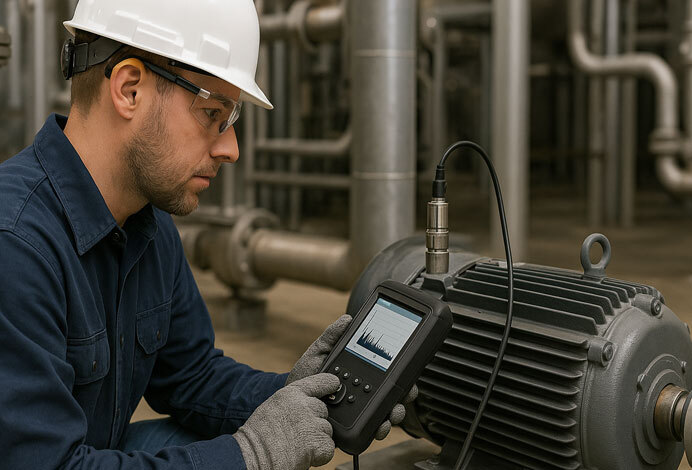
Staying competitive in the industrial maintenance field requires more than just hands-on experience. As manufacturing and production environments become increasingly automated and data-driven, professionals need a blend of technical expertise, analytical thinking, and adaptability. Mastering the right industrial maintenance career skills can open doors to advancement, higher pay, and long-term job security.
This guide explores the essential abilities that set top performers apart, from troubleshooting and predictive maintenance to digital literacy and communication. Whether you’re new to the industry or looking to future-proof your career, understanding these competencies will help you stay in demand.
For those working with specialized equipment, developing a strong foundation in vibration analysis for textile machinery can be a valuable asset, especially as factories rely more on predictive maintenance to prevent costly downtime.
Core Technical Skills for Modern Maintenance Professionals
Technical know-how remains the backbone of success in this sector. Employers seek candidates who can confidently diagnose, repair, and optimize a wide variety of machinery. Here are some of the most critical technical skills:
- Mechanical Aptitude: Understanding gears, bearings, belts, and hydraulic systems is fundamental for troubleshooting and repairs.
- Electrical Systems: Familiarity with motors, control panels, PLCs, and wiring is essential as automation becomes more prevalent.
- Preventive and Predictive Maintenance: Knowing how to schedule, perform, and document routine checks helps avoid unexpected failures.
- Blueprint and Schematic Reading: The ability to interpret technical drawings speeds up diagnostics and ensures accurate repairs.
- Welding and Fabrication: Basic welding skills can be a significant advantage for on-the-spot fixes or custom modifications.
Embracing Predictive Maintenance and Condition Monitoring
One of the most significant shifts in the industry is the move toward predictive maintenance. Using data from sensors and monitoring equipment, maintenance teams can anticipate failures before they occur. This approach reduces downtime and extends asset life.
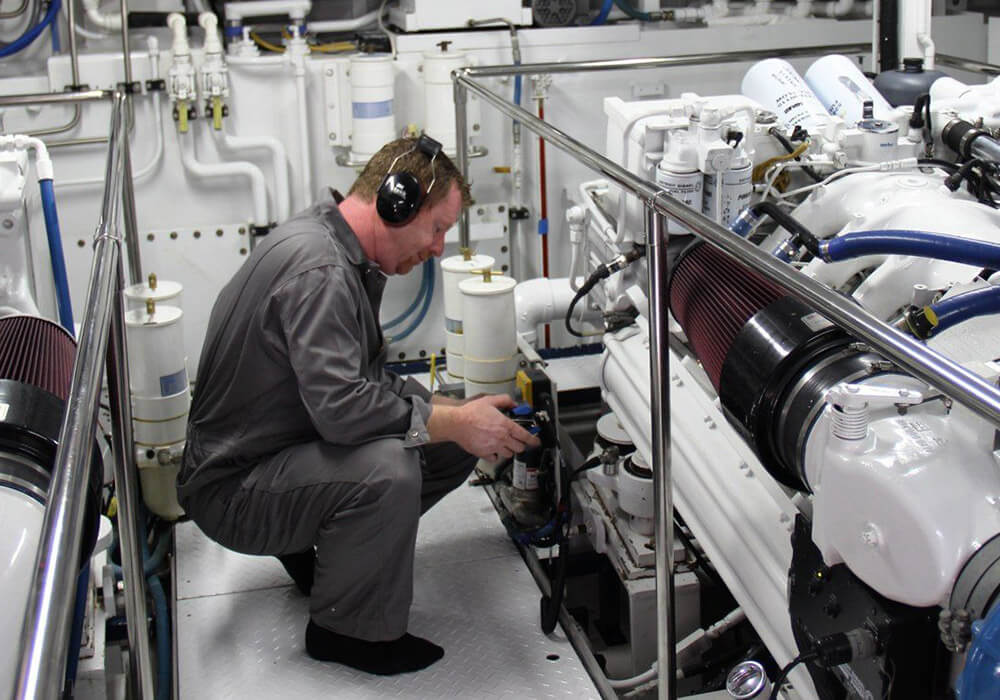
Key skills in this area include:
- Vibration Analysis: Detecting imbalances, misalignments, and bearing faults through vibration data is a highly sought-after ability. For a deeper dive, see this beginner’s guide to predictive maintenance with vibration analysis.
- Thermography: Using infrared cameras to spot overheating components before they fail.
- Oil Analysis: Monitoring lubricant quality to identify wear and contamination.
- Data Interpretation: Making sense of sensor outputs and maintenance logs to inform decision-making.
Developing expertise in these areas not only improves reliability but also positions you as a forward-thinking technician capable of leveraging technology for better outcomes.
Digital and Analytical Skills for the Evolving Workplace
As factories undergo digital transformation, maintenance roles increasingly require comfort with software and analytics. Modern technicians should be able to:
- Operate Computerized Maintenance Management Systems (CMMS): Logging work orders, tracking inventory, and analyzing performance metrics.
- Understand IoT and Smart Sensors: Integrating connected devices and interpreting real-time data streams.
- Basic Programming: Familiarity with PLC programming or scripting can be a major advantage, especially in automated environments.
- Cybersecurity Awareness: Protecting networked equipment from digital threats is becoming increasingly important.
These digital skills complement hands-on abilities and are becoming non-negotiable as more organizations invest in Industry 4.0 technologies.
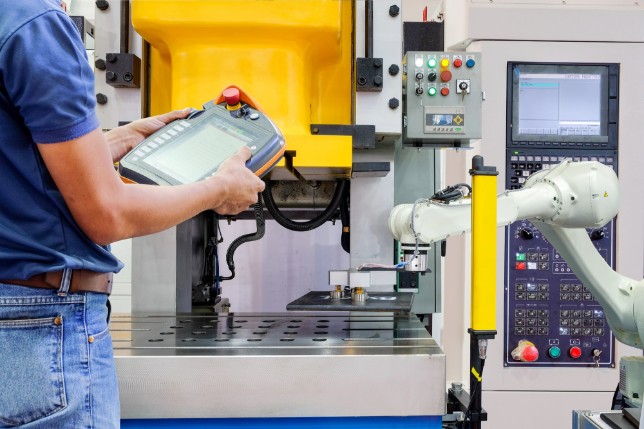
Soft Skills That Set Maintenance Experts Apart
Technical prowess alone isn’t enough to excel. Employers also value soft skills that enable technicians to work efficiently within teams and adapt to changing demands. Important soft skills include:
- Problem-Solving: The ability to diagnose issues quickly and develop effective solutions.
- Communication: Explaining complex technical issues to non-technical colleagues, writing clear reports, and collaborating across departments.
- Attention to Detail: Catching small issues before they become major problems.
- Adaptability: Embracing new technologies and processes as the industry evolves.
- Time Management: Prioritizing tasks and managing workloads in fast-paced environments.
These interpersonal abilities help maintenance professionals build trust, reduce errors, and contribute to a positive workplace culture.
Staying Current: Training, Certifications, and Continuous Learning
With technology advancing rapidly, ongoing education is critical. Pursuing industry certifications and specialized training demonstrates commitment and keeps your skills relevant. Common certifications include:
- Certified Maintenance & Reliability Technician (CMRT): Recognized credential for demonstrating core maintenance competencies.
- Vibration Analyst Certification: Validates expertise in vibration diagnostics and predictive maintenance.
- PLC Programming Certificates: Shows proficiency in automation and control systems.
Many employers also support on-the-job training, workshops, and online courses. Staying proactive about learning ensures you remain valuable as new tools and techniques emerge.
For those interested in broader trends, exploring topics like digital transformation in industrial maintenance can provide insights into where the industry is heading and what skills will be most in demand.
Common Challenges and How to Overcome Them
Even the most skilled technicians face obstacles. Common challenges include:
- Keeping Up with Technology: The rapid pace of innovation can be daunting. Dedicate time each month to learn about new tools and best practices.
- Managing Stress and Fatigue: Long shifts and urgent repairs can take a toll. Prioritize safety and self-care to maintain long-term performance.
- Balancing Preventive and Reactive Work: Use data and planning tools to minimize last-minute emergencies and focus on proactive maintenance.
Networking with peers, attending industry events, and participating in professional organizations can also provide support and fresh perspectives.
FAQ: Industrial Maintenance Skills and Career Growth
What are the most valuable technical skills for industrial maintenance?
The most valuable technical skills include mechanical troubleshooting, electrical systems knowledge, predictive maintenance techniques like vibration analysis, and the ability to read blueprints and schematics. Familiarity with automation and digital tools is also increasingly important.
How can I improve my chances of career advancement in this field?
Focus on continuous learning, pursue relevant certifications, and develop both technical and soft skills. Building expertise in areas like condition monitoring and digital maintenance platforms can set you apart from other candidates.
Why is predictive maintenance important for industrial maintenance professionals?
Predictive maintenance helps identify potential failures before they cause downtime, saving companies time and money. Mastering techniques such as vibration analysis and data interpretation makes you a valuable asset to any maintenance team.
Conclusion
Developing a mix of technical, analytical, and interpersonal skills is essential for anyone aiming to thrive in the industrial maintenance sector. By staying current with technology, embracing continuous learning, and honing both hard and soft skills, you’ll be well-equipped to meet the demands of modern manufacturing environments and secure your place as a top performer in the field.