
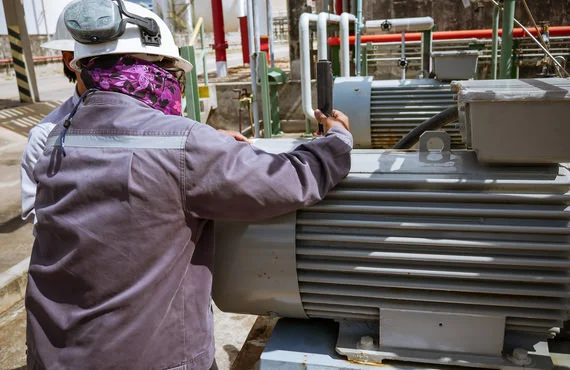
Industrial vibration monitoring guide is an essential resource for maintenance teams, reliability engineers, and plant managers aiming to maximize equipment uptime and minimize unplanned downtime. By systematically tracking the vibration patterns of rotating machinery, organizations can detect early signs of wear, misalignment, and other mechanical issues before they escalate into costly failures. This article provides a comprehensive, step-by-step overview of how to implement, optimize, and benefit from a robust vibration monitoring program in industrial environments.
Before diving into the practical steps, it’s important to understand that effective vibration monitoring is not just about installing sensors—it’s about integrating data-driven insights into maintenance strategies. For those interested in how these principles apply to specific sectors, such as energy production, the article on vibration analysis for power plants offers a closer look at monitoring critical assets in that industry.
Understanding the Basics of Industrial Vibration Monitoring
At its core, vibration monitoring involves measuring oscillations in machinery and analyzing the resulting data to identify abnormal patterns. These patterns often signal issues such as imbalance, misalignment, looseness, or bearing faults. The main goal is to catch these problems early, enabling proactive maintenance and reducing the risk of catastrophic breakdowns.
Key components of a typical monitoring system include:
- Sensors (accelerometers, velocity sensors, displacement sensors)
- Data acquisition hardware for collecting and transmitting signals
- Analysis software that interprets vibration signatures
- Reporting tools for actionable insights
Step 1: Assessing Your Machinery and Setting Objectives
The first step in any industrial vibration monitoring guide is to evaluate which assets are most critical to your operations. Prioritize equipment whose failure would result in significant downtime, safety hazards, or repair costs. Common candidates include pumps, motors, compressors, turbines, and gearboxes.
Set clear objectives for your monitoring program. Are you aiming to extend asset life, improve safety, reduce maintenance costs, or all of the above? Defining these goals will help guide sensor placement, data collection frequency, and analysis methods.

Step 2: Selecting the Right Sensors and Placement
Choosing the appropriate sensors is crucial for accurate data collection. Accelerometers are the most common, but velocity and displacement sensors are also used depending on the application. Consider the following factors when selecting sensors:
- Frequency range: Ensure the sensor covers the expected vibration frequencies of your machinery.
- Environmental conditions: Select sensors rated for temperature, humidity, and potential exposure to chemicals or dust.
- Mounting method: Proper installation is vital for reliable readings. Use mounting studs or adhesive pads as recommended by manufacturers.
Sensor placement should target locations where vibration is most likely to indicate developing faults, such as near bearings or coupling points. Consult OEM guidelines and experienced vibration analysts for optimal placement strategies.
Step 3: Data Acquisition and Monitoring Frequency
Once sensors are installed, determine how often to collect and analyze data. Continuous monitoring is ideal for critical assets, while periodic checks may suffice for less vital equipment. Modern systems often integrate with industrial IoT maintenance applications to automate data collection and enable real-time alerts.
Key considerations for data acquisition include:
- Sampling rate: Must be high enough to capture relevant vibration events.
- Data storage: Plan for sufficient storage capacity, especially for high-frequency or long-term monitoring.
- Network connectivity: Ensure reliable transmission of data to analysis platforms, whether on-premises or cloud-based.
Step 4: Analyzing Vibration Data and Diagnosing Issues
The heart of any industrial vibration monitoring guide is the interpretation of collected data. Analysis software uses algorithms to detect deviations from baseline vibration signatures. Common analysis techniques include:
- Time-domain analysis: Examines raw vibration signals over time to identify sudden changes or spikes.
- Frequency-domain analysis: Uses Fast Fourier Transform (FFT) to break down signals into their component frequencies, revealing patterns associated with specific faults.
- Envelope analysis: Particularly useful for detecting bearing defects by isolating high-frequency impacts.
For a more in-depth look at these methods, the comprehensive vibration analysis article provides detailed explanations and practical examples.
Step 5: Acting on Insights and Integrating with Maintenance Programs
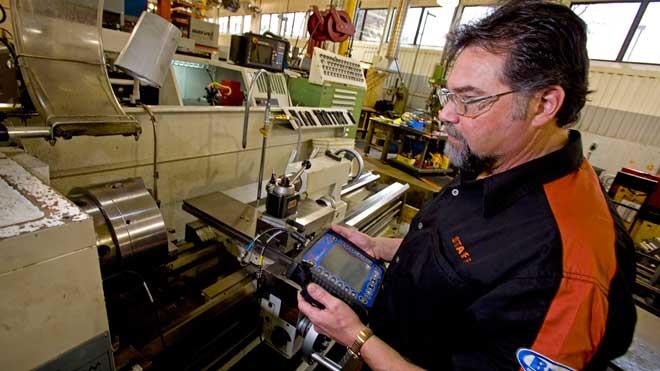
The ultimate value of vibration monitoring comes from turning insights into action. When analysis reveals abnormal patterns, maintenance teams can schedule inspections, lubrication, alignment, or part replacements before failures occur. This approach supports a shift from reactive to predictive maintenance, reducing costs and improving reliability.
Many organizations integrate vibration monitoring with sensor based predictive maintenance strategies, leveraging data from multiple sources (temperature, oil analysis, etc.) for a holistic view of asset health.
Best Practices for a Successful Vibration Monitoring Program
- Train staff: Ensure maintenance and reliability teams understand how to interpret vibration data and respond appropriately.
- Regularly calibrate sensors: Periodic calibration maintains accuracy and reduces false alarms.
- Document findings: Keep detailed records of vibration trends, maintenance actions, and outcomes to refine your monitoring strategy over time.
- Review and update baselines: As equipment ages or undergoes modifications, update baseline vibration signatures to maintain detection accuracy.
Industry Applications and Case Studies
Vibration monitoring is widely used across industries such as manufacturing, power generation, oil and gas, food processing, and textiles. For example, in the food sector, vibration analysis for food processing equipment helps ensure safety and maximize uptime by detecting early signs of mechanical wear. Similarly, textile manufacturers rely on vibration analysis for textile machinery to keep looms and spinning machines running smoothly.
Common Challenges and How to Overcome Them
Implementing a vibration monitoring program is not without obstacles. Some common challenges include:
- Data overload: Too much data can overwhelm teams. Focus on actionable insights and automate reporting where possible.
- False positives: Incorrect sensor placement or poor calibration can lead to unnecessary maintenance. Follow best practices for installation and validation.
- Change management: Shifting from traditional maintenance to predictive approaches requires buy-in from all stakeholders. Provide training and demonstrate ROI through pilot projects.
FAQ: Industrial Vibration Monitoring
What types of equipment benefit most from vibration monitoring?
Rotating machinery such as pumps, motors, compressors, turbines, and gearboxes are prime candidates. Any asset where mechanical failure could cause significant downtime or safety risks can benefit from a monitoring program.
How often should vibration data be collected and analyzed?
The frequency depends on the criticality of the equipment. For high-value or safety-critical assets, continuous monitoring is recommended. For less critical machinery, periodic checks (weekly or monthly) may be sufficient.
Can vibration monitoring be integrated with other predictive maintenance tools?
Yes, combining vibration data with other condition monitoring methods—such as temperature, oil analysis, and acoustic monitoring—provides a more comprehensive view of asset health and improves predictive accuracy.
By following the steps and best practices outlined in this guide, organizations can implement an effective vibration monitoring strategy that reduces downtime, extends equipment life, and supports a proactive maintenance culture.