
The manufacturing sector is rapidly evolving, with digital transformation and smart technologies driving efficiency and reliability. Among these innovations, IoT vibration sensors for manufacturing have become essential tools for predictive maintenance, quality assurance, and operational optimization. By continuously monitoring equipment health, these sensors help manufacturers prevent unplanned downtime, reduce maintenance costs, and extend the lifespan of critical assets.
Understanding how these smart sensors work, their benefits, and how to implement them effectively can make a significant difference in plant productivity and asset management. This article explores the fundamentals of industrial vibration monitoring, practical applications, and key considerations for deploying IoT-enabled solutions on the factory floor.
For industries with highly specialized equipment, such as power generation or food processing, tailored approaches to vibration monitoring are crucial. For example, vibration analysis for power plants focuses on monitoring turbines and generators to ensure continuous operation and avoid costly failures. Leveraging the right sensor technology can help manufacturers in every sector stay ahead of maintenance challenges.
How Smart Vibration Sensors Work in Industrial Settings
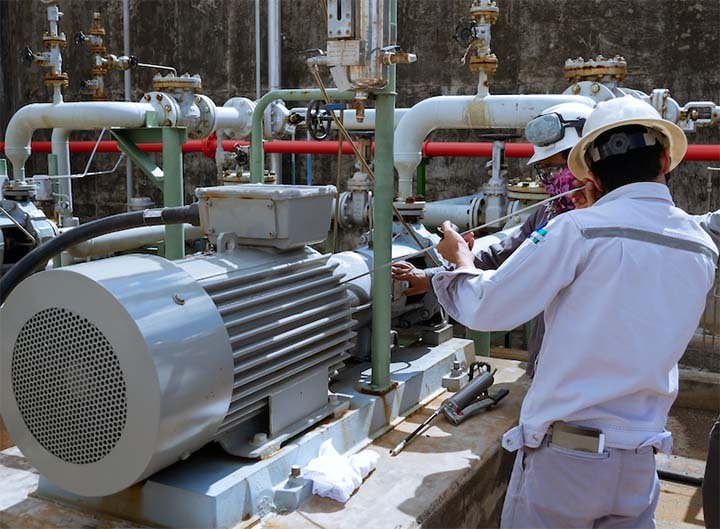
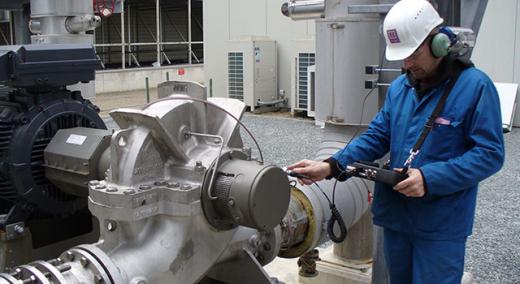
Modern IoT vibration sensors use advanced accelerometers and wireless connectivity to capture real-time data on machine movement. These devices are typically mounted directly onto motors, pumps, fans, or other rotating equipment. They measure parameters such as velocity, acceleration, and displacement, transmitting this information to cloud-based platforms or local monitoring systems.
The collected data is analyzed to detect anomalies, such as excessive vibration or unusual frequency patterns, which may indicate developing faults like misalignment, imbalance, or bearing wear. By identifying these issues early, maintenance teams can schedule repairs before a minor problem escalates into a major breakdown.
Key Benefits of IoT Vibration Monitoring in Manufacturing
Adopting IoT vibration sensors for manufacturing brings a range of advantages that directly impact operational efficiency and bottom-line results:
- Predictive Maintenance: Real-time alerts enable maintenance teams to address issues proactively, reducing unplanned downtime and avoiding costly emergency repairs.
- Extended Equipment Life: Early detection of mechanical faults means equipment can be serviced before significant damage occurs, prolonging asset lifespan.
- Improved Safety: Monitoring vibration levels helps identify hazardous conditions, protecting workers and preventing accidents.
- Data-Driven Decisions: Continuous data collection supports better planning, resource allocation, and process optimization.
- Reduced Maintenance Costs: Scheduled interventions are more efficient and less expensive than reactive repairs.
These benefits are especially valuable in industries where equipment reliability is critical, such as pharmaceuticals, textiles, and paper mills. For instance, vibration analysis for paper mills helps prevent costly breakdowns and ensures consistent product quality.
Applications Across Manufacturing Sectors
The versatility of IoT vibration sensors makes them suitable for a wide range of manufacturing environments. Common applications include:
- Rotating Machinery: Motors, pumps, compressors, and fans are prone to vibration-related issues. Sensors help detect imbalance, misalignment, or bearing failures.
- Conveyors and Material Handling: Monitoring conveyor systems ensures smooth operation and prevents jams or component wear.
- Critical Production Lines: In sectors like food processing, pharmaceuticals, and textiles, vibration monitoring safeguards uptime and compliance.
- Remote and Hard-to-Reach Assets: Wireless sensors allow for continuous monitoring of equipment in hazardous or inaccessible locations.
For specialized applications, such as vibration analysis for food processing equipment, sensors play a vital role in maintaining safety standards and minimizing production interruptions.

Choosing the Right IoT Vibration Sensor for Your Facility
Selecting the best sensor solution depends on several factors, including the types of machines in use, environmental conditions, and integration requirements. Here are some considerations to guide your decision:
- Measurement Range and Sensitivity: Ensure the sensor can detect the vibration levels relevant to your equipment and processes.
- Wireless Connectivity: Look for sensors that support reliable wireless protocols (such as Wi-Fi, LoRaWAN, or Bluetooth) for seamless data transmission.
- Battery Life and Power Options: Long battery life or alternative power sources reduce maintenance needs, especially for remote installations.
- Data Integration: Choose sensors compatible with your existing monitoring platforms or cloud systems for unified data analysis.
- Environmental Durability: Industrial environments can be harsh; select sensors with appropriate IP ratings and resistance to dust, moisture, and temperature extremes.
When evaluating options, consider how the solution will scale with your facility’s growth and whether it can be easily retrofitted to legacy equipment.
Implementing IoT Vibration Monitoring: Best Practices
A successful deployment of IoT vibration sensors for manufacturing involves more than just installing hardware. Follow these best practices to maximize value:
- Start with Critical Assets: Prioritize machines that are essential to production or have a history of failures.
- Establish Baseline Data: Collect initial vibration readings to define normal operating conditions and set appropriate alert thresholds.
- Integrate with Maintenance Systems: Connect sensor data to your computerized maintenance management system (CMMS) for automated work order generation.
- Train Staff: Ensure maintenance teams understand how to interpret vibration data and respond to alerts effectively.
- Review and Optimize: Regularly analyze trends and refine monitoring strategies as your operations evolve.
For more in-depth technical background and industry insights, resources like IBM’s overview of vibration analysis provide valuable context on how sensor data can be leveraged for predictive maintenance.
Integrating Vibration Data with Broader IIoT Strategies
The true power of IoT vibration monitoring emerges when sensor data is integrated with other IIoT (Industrial Internet of Things) systems. Combining vibration analytics with temperature, pressure, and energy consumption data creates a holistic view of equipment health and plant performance.
This integrated approach supports advanced applications such as machine learning-driven fault detection, automated maintenance scheduling, and real-time process optimization. As manufacturing becomes more connected, leveraging vibration data as part of a broader digital strategy will be key to staying competitive.
Industries with unique requirements, such as vibration analysis for pharmaceutical plants or vibration analysis for textile machinery, can benefit from tailored IIoT solutions that address sector-specific challenges.
Frequently Asked Questions
What types of machines benefit most from IoT vibration monitoring?
Rotating equipment such as motors, pumps, compressors, fans, and gearboxes are especially prone to vibration-related issues. These machines often operate continuously and are critical to production, making them ideal candidates for sensor-based monitoring.
How does vibration monitoring reduce maintenance costs?
By detecting faults early, maintenance teams can address problems before they escalate, reducing emergency repairs, minimizing downtime, and extending equipment lifespan. Scheduled interventions are typically less expensive than unplanned fixes.
Can IoT vibration sensors be retrofitted to existing equipment?
Yes, most modern sensors are designed for easy installation on both new and legacy machines. Wireless options are particularly convenient, as they do not require complex wiring or major modifications to existing assets.
What is the difference between vibration analysis and vibration monitoring?
Vibration monitoring involves continuous measurement of equipment vibration levels, while vibration analysis interprets this data to diagnose specific faults or predict failures. Both are essential for effective predictive maintenance strategies.
Adopting IoT vibration sensors for manufacturing is a practical step toward smarter, more reliable operations. By understanding the technology, its benefits, and how to implement it effectively, manufacturers can unlock significant value and ensure long-term success in an increasingly competitive landscape.